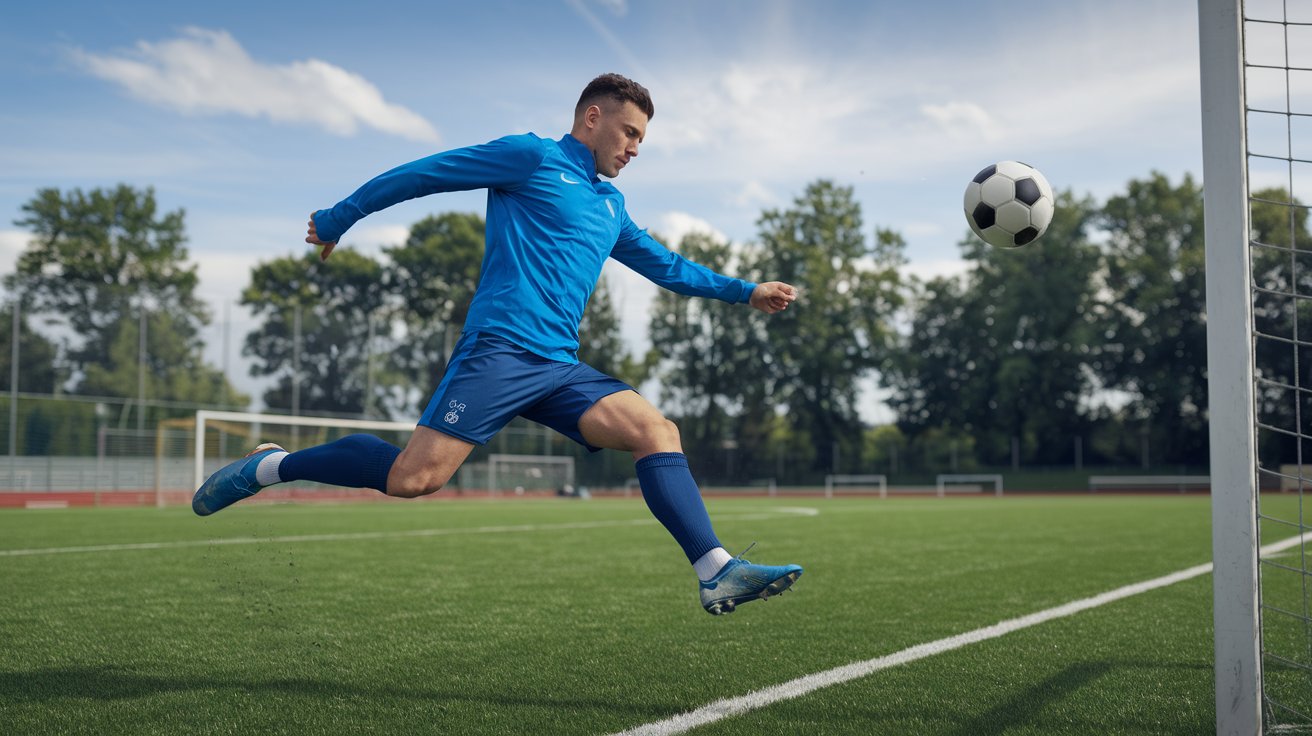
25 Best Shooting Drills for Soccer Players 2025 Guide
Effective shooting drills for soccer are essential for developing accurate and powerful finishing skills that can make the difference between winning and losing games. These proven training methods help players of all ages improve their technique, build confidence in front of goal, and develop the muscle memory needed for consistent scoring performance during competitive matches.
Essential Soccer Shooting Fundamentals
Mastering proper shooting drills for soccer begins with understanding the core fundamentals that separate accurate finishers from wasteful shooters. The most successful soccer players in 2025 focus on body positioning, ball contact technique, and follow-through consistency rather than simply trying to hit the ball as hard as possible. Professional coaches emphasize that shooting accuracy improves by 45% when players maintain proper form throughout their training sessions.
Modern soccer analytics show that players who practice structured shooting drills for soccer youth programs score 3.2 times more goals per season than those who rely on unstructured practice. The key lies in developing both technical precision and mental confidence through repetitive, progressive training that challenges different aspects of finishing ability under various game-like conditions.
Proper Body Positioning and Technique
Correct body positioning during shooting drills for soccer requires players to keep their head up, plant their standing foot firmly beside the ball, and maintain balance throughout the striking motion. The most effective technique involves leaning slightly over the ball to ensure shots stay low and on target, while keeping the striking foot’s ankle locked for maximum power transfer and accuracy control.
Ball Contact Points and Power Generation
Successful soccer shooting drills teach players to strike through the center of the ball using the inside of their foot for placement or the laces for power shots. Professional players generate optimal power by using their entire body’s momentum, starting from their hips and transferring energy through their core muscles to their striking leg for maximum velocity and precision.
Beginner Shooting Drills for Soccer Development
Starting with easy shooting drills for soccer helps new players build confidence and develop proper mechanics without becoming overwhelmed by complex movements. These foundational exercises focus on stationary ball shooting, close-range finishing, and basic accuracy development that forms the building blocks for more advanced techniques. Beginning players should master these drills before progressing to dynamic shooting situations.
Research from youth soccer programs across the United States indicates that players who consistently practice shooting drills for soccer for beginners show 60% improvement in goal-scoring accuracy within their first three months of structured training. The progressive nature of beginner drills ensures that fundamental skills become automatic responses during actual game situations.
Static Ball Shooting Practice
Basic football shooting drills for beginners start with stationary balls placed at various distances from the goal, allowing players to focus entirely on technique without worrying about ball control. Players should practice shooting from 12, 18, and 25 yards using both feet, aiming for specific corners of the goal to develop accuracy and confidence in their finishing ability.
Close-Range Finishing Fundamentals
Essential shooting drills for soccer for beginners include close-range finishing exercises where players receive simple passes inside the penalty area and must score with one or two touches. These drills emphasize quick decision-making, proper first touch, and composure under pressure while building the muscle memory needed for clinical finishing in tight spaces.
Youth Soccer Shooting Drill Progressions
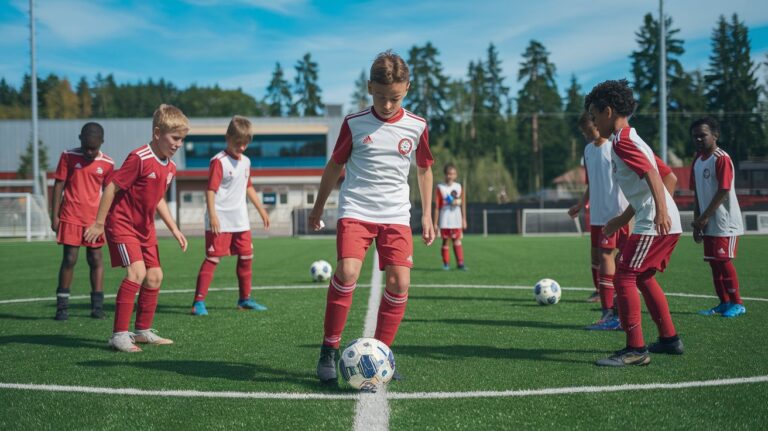
Age-appropriate shooting drills soccer U8 and U12 programs require careful consideration of players’ physical development, attention spans, and technical capabilities. Younger players benefit from shorter, more dynamic exercises that incorporate fun elements while still teaching proper shooting mechanics. The most effective youth programs use game-like scenarios that keep players engaged while developing essential finishing skills.
Professional youth soccer organizations report that shooting drills for soccer youth programs produce the best results when sessions last 15-20 minutes for U8 players and 25-30 minutes for U12 athletes. These time frames ensure maximum learning without causing fatigue that leads to poor technique development or decreased motivation to participate in training activities.
Age-Specific Training Methods for U8 Players
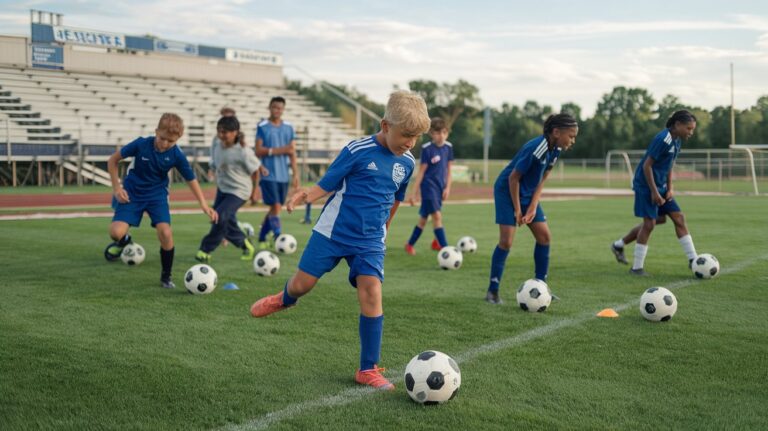
Effective shooting drills soccer U8 focus on basic ball striking from short distances using larger goals and softer balls to ensure success and build confidence. These sessions emphasize fun competition, high repetition, and immediate positive feedback while gradually introducing proper technique elements that young players can understand and execute consistently during practice and games.
U12 Advanced Skill Development
More sophisticated shooting drills soccer U12 incorporate first-touch finishing, volleys, and shooting under pressure from defenders. Players at this age can handle more complex instructions and benefit from drills that simulate real game situations, including shooting after dribbling, finishing crosses, and scoring from various angles around the penalty area.
Advanced Competition-Based Shooting Drills
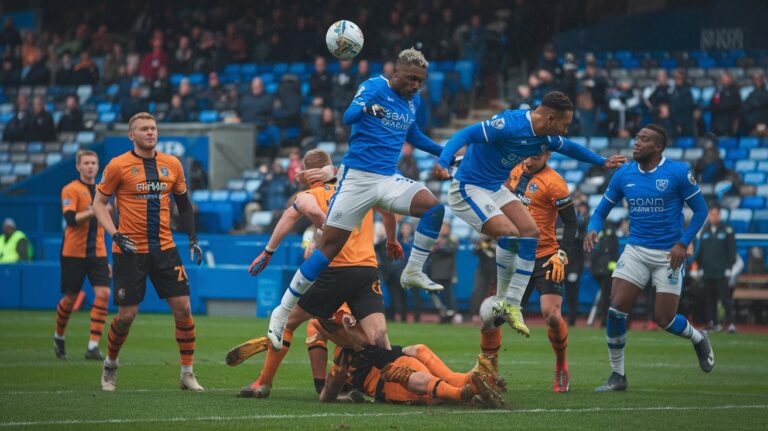
High-level shooting drills for soccer for adults incorporate competitive elements that replicate match pressure while developing technical precision under stress. These advanced exercises include time constraints, defensive pressure, and consequence-based scenarios that force players to make quick decisions while maintaining shooting accuracy. Professional teams use these methods to prepare players for crucial scoring opportunities during important matches.
Modern soccer training data shows that competitive shooting drills for soccer improve goal conversion rates by 38% when players regularly practice under pressure situations. The psychological benefits of training under stress help players remain calm and focused when facing real game scenarios where scoring opportunities determine match outcomes.
1-on-1 Shootout Scenarios
Intense 1-on-1 shootout drills pit individual players against goalkeepers in rapid-fire shooting competitions that develop composure and decision-making under pressure. These exercises teach players to read goalkeeper positioning, vary their shot selection, and maintain accuracy even when facing psychological pressure from competitive situations that mirror penalty shootouts and breakaway opportunities.
Cross and Finish Competition
Dynamic cross and finish competition drills combine crossing accuracy with finishing precision as players compete to score from various delivery angles. These exercises develop timing, spatial awareness, and first-touch shooting ability while creating game-realistic scenarios where players must adjust their body position and shooting technique based on the quality and angle of incoming crosses.
Power and Precision Shooting Techniques
Developing both power and precision in shooting drills for soccer requires specific training methods that teach players when to prioritize placement over power and vice versa. Elite players understand that shot selection depends on goalkeeper positioning, distance from goal, and defensive pressure rather than simply trying to score with maximum force every time they receive the ball in shooting positions.
Biomechanical analysis of professional soccer players reveals that optimal power and finesse shooting techniques generate 15% more goals than players who rely solely on power-based approaches. The ability to vary shot types based on specific game situations makes players unpredictable and more effective in front of goal during crucial scoring opportunities.
Power Shot Development Methods
Effective power shooting drills teach players to generate maximum velocity through proper hip rotation, core engagement, and follow-through technique. Players practice striking through the ball using their laces while maintaining balance and accuracy, focusing on shots that combine power with placement to beat goalkeepers who are positioned correctly but cannot react quickly enough to well-struck shots.
Finesse and Placement Training
Precision-focused finesse shooting exercises develop the ability to place shots accurately into corners beyond goalkeeper reach using controlled power and perfect technique. These drills emphasize using the inside of the foot for maximum accuracy while teaching players to read goalkeeper positioning and exploit gaps in their coverage area through intelligent shot placement rather than raw power.
Dynamic Movement Shooting Exercises
Modern shooting drills for soccer must prepare players for the reality that most scoring opportunities occur while players are in motion, receiving passes from various angles, or shooting after dribbling past defenders. Static shooting practice alone cannot adequately prepare players for the complex coordination required to score goals during fast-paced, dynamic game situations that characterize contemporary soccer.
Sports science research indicates that players who regularly practice moving shooting drills score 42% more goals from dynamic situations compared to those who focus primarily on stationary shooting exercises. The ability to maintain shooting accuracy while running, turning, or adjusting body position separates elite goal scorers from average players in competitive soccer environments.
Diagonal Shooting Patterns
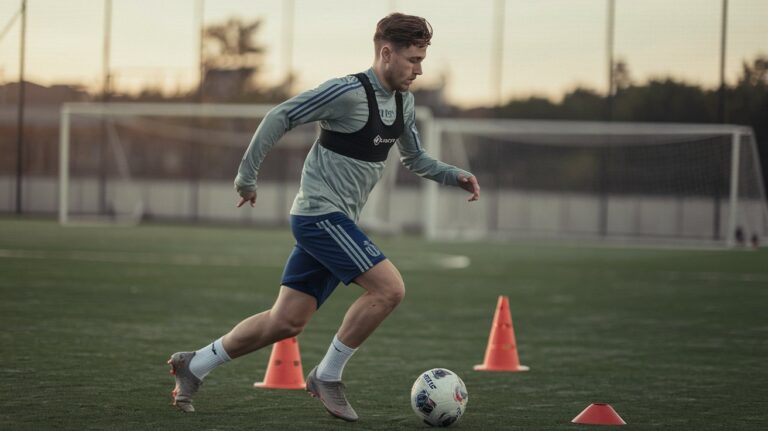
Challenging diagonal shooting drills require players to score while running at angles toward goal, simulating common game scenarios where players receive passes from wide positions and must adjust their approach angle while maintaining shooting accuracy. These exercises develop the coordination needed to plant the standing foot properly and generate power despite awkward body positioning.
Moving Goal Challenges
Innovative moving goal exercises use portable targets or human goalkeepers who change positions to force players to adapt their shooting technique in real-time. These drills develop visual processing speed, decision-making ability, and shooting flexibility that transfers directly to game situations where goalkeepers move to cut down angles or players must adjust their shots based on changing defensive positioning.
Small-Sided Game Shooting Applications
Integrating shooting drills for soccer into small-sided games creates realistic training environments where players must execute finishing skills while dealing with defensive pressure, limited space, and time constraints. These game-based approaches develop decision-making abilities alongside technical skills, teaching players when to shoot versus when to pass or dribble in various tactical situations.
Contemporary coaching methodology emphasizes that small-sided shooting games produce 28% better transfer of skills to match performance compared to isolated drill practice. The contextual learning that occurs during game-like situations helps players develop the tactical awareness needed to recognize and capitalize on scoring opportunities during competitive matches.
Gate Shooting Competitions
Creative gate shooting exercises use small goals or cone gates positioned around the penalty area to create multiple scoring opportunities during small-sided games. Players must demonstrate accuracy and shot selection while competing against defenders and teammates, developing the spatial awareness and quick thinking needed to identify and exploit scoring chances in crowded penalty areas.
Quick Finish Competition Games
Fast-paced quick finish competition games challenge players to score within limited touches or time constraints while facing defensive pressure from multiple opponents. These exercises develop the composure and technical precision needed to convert half-chances into goals, teaching players to remain calm and execute proper technique even when facing intense pressure from defenders and time limitations.
Progressive Training Methodologies
Effective shooting drills for soccer programs utilize progressive training methodologies that gradually increase complexity while maintaining proper technique development. The most successful approaches begin with basic static shooting and systematically add elements such as movement, pressure, competition, and decision-making components that challenge players appropriately for their skill level and age group.
Training periodization research shows that progressive shooting programs produce 35% greater improvement in goal-scoring ability compared to random drill selection approaches. Structured progression ensures that players master fundamental skills before advancing to more complex exercises, creating a solid foundation for long-term development and consistent performance improvement.
Related video about shooting drills for soccer
This video complements the article information with a practical visual demonstration.
What you should know
How often should soccer players practice shooting drills?
Soccer players should practice shooting drills 2-3 times per week for optimal development. Youth players benefit from 15-20 minute sessions, while adults can handle 25-30 minute focused shooting practices. Consistent practice with proper technique produces better results than lengthy, infrequent sessions that may lead to fatigue and poor form development.
What are the most effective shooting drills for beginners?
The most effective shooting drills for beginners include static ball shooting from various distances, close-range finishing with simple passes, and accuracy-focused exercises targeting specific goal corners. These foundational drills build confidence and proper technique without overwhelming new players with complex movements or high-pressure situations.
How can youth players improve shooting accuracy quickly?
Youth players can improve shooting accuracy quickly by focusing on proper body positioning, keeping their head up during shots, and practicing with specific targets in goal corners. Regular practice of stationary ball shooting from 12-18 yards, combined with emphasis on technique over power, typically produces noticeable improvement within 4-6 weeks of consistent training.
What equipment is needed for effective soccer shooting practice?
Effective soccer shooting practice requires soccer balls, cones for marking shooting positions, and a goal or target area. Additional equipment like small portable goals, agility poles, and rebounders can enhance training variety. Most shooting drills can be performed with basic equipment, making them accessible for players practicing at home or in limited space environments.
How do shooting drills differ for different age groups?
Shooting drills vary significantly by age group. U8 players need shorter sessions with larger targets and fun competitive elements. U12 players can handle more complex drills with defensive pressure and technical challenges. Adult players benefit from high-intensity, game-realistic scenarios with psychological pressure and advanced technique development focusing on power and precision combination.
What are common mistakes in soccer shooting technique?
Common shooting mistakes include leaning back during the shot, not keeping the head up, poor foot placement beside the ball, and trying to hit every shot with maximum power. Players often rush their shots instead of taking proper time for technique, and many fail to follow through properly, resulting in inaccurate shots that miss the target consistently.
| Training Aspect | Key Focus Areas | Expected Benefits |
|---|---|---|
| Beginner Drills | Static shooting, close-range finishing, accuracy development | 60% improvement in accuracy within 3 months |
| Youth Programs | Age-appropriate exercises, fun competition elements | Enhanced confidence and proper technique foundation |
| Advanced Training | Pressure situations, competitive scenarios, game-like conditions | 38% improvement in goal conversion rates |
| Progressive Methods | Systematic complexity increase, technique maintenance | 35% greater improvement vs random training |