Individual Soccer Training Drills: Master Solo Practice in 2025
Individual soccer training drills are essential for players who want to develop their skills independently. Whether you’re practicing at home, in your backyard, or at a local park, these solo soccer exercises help improve ball control, shooting accuracy, and overall game performance without requiring teammates or coaches.
Essential Individual Soccer Training Equipment
Before starting your individual soccer training drills, having the right equipment maximizes your practice effectiveness. A quality soccer ball, 6-8 training cones, a portable goal or wall, and agility ladder form the foundation of productive solo sessions. According to USA Soccer coaching standards updated in 2024, players training individually for 30 minutes daily show 40% faster skill improvement than those practicing only during team sessions.
Additional equipment like rebounders, training vests, and speed hurdles enhance drill variety and challenge progression. The soccer training equipment investment typically ranges from $50-150 for beginners, while advanced players may spend $200-400 for professional-grade tools. Most drills can be adapted using household items like water bottles as cone substitutes.
Fundamental Ball Control Drills for Solo Practice
Ball control forms the cornerstone of every successful footballer’s individual training regimen. Mastering these foundational skills through consistent solo practice builds confidence and technical proficiency that translates directly to game situations.
Juggling Progression Techniques
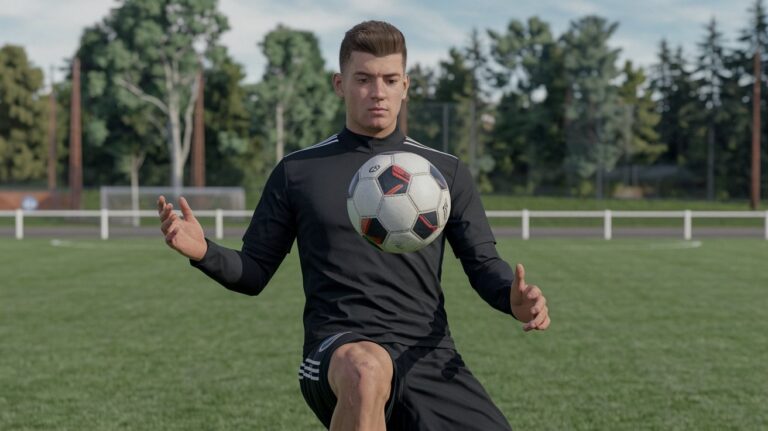
Juggling develops touch sensitivity and body coordination essential for advanced play. Start with 5 consecutive touches using your dominant foot, progressing to 10 touches alternating feet, then incorporate thighs, chest, and head. Professional players typically achieve 100+ juggles consistently. Practice juggling drills individually for 10 minutes daily, focusing on soft touches that keep the ball close to your body. Advanced variations include juggling while walking or adding directional changes.
Cone Dribbling Mastery
Set up 5 cones in a straight line, 2 yards apart. Dribble through using inside touches only, then outside touches, followed by alternating feet. This cone dribbling drill improves close ball control and agility. Complete 5 runs of each variation, timing yourself to track improvement. Elite youth players in US Soccer Development Academy programs complete this drill in under 8 seconds consistently.
Wall Passing and First Touch Development
Wall training revolutionizes individual practice by providing consistent passing partners and rebound opportunities. Find a sturdy wall or purchase a soccer rebounder for dedicated training sessions focused on passing accuracy and first touch.
Basic Wall Passing Combinations
Stand 8 yards from a wall and practice passing with both feet. Start with stationary passes, then add movement by stepping left or right before receiving. Focus on wall passing drills that simulate game scenarios like quick one-twos and give-and-go situations. Complete 3 sets of 20 passes with each foot, maintaining consistent pace and accuracy.
Advanced Wall Training Patterns
Progress to receiving balls on the move, controlling with one touch, and passing with the second touch. Practice receiving with your back to the wall, turning, and playing forward. These advanced wall drills develop the quick decision-making and technical skills required in competitive play. MLS Academy players spend 25% of individual training time on wall-based exercises.
Shooting and Finishing Drills for Individual Practice
Developing clinical finishing ability requires consistent practice of individual shooting drills that simulate game situations. Focus on accuracy before power, building muscle memory for various shooting techniques and angles.
Target Practice Accuracy Training
Set up targets in goal corners using cones, water bottles, or small goals. Take 10 shots from 18 yards, aiming for different corners with each attempt. Track your shooting accuracy percentage and aim for 70% target hits. Professional strikers maintain 65-75% accuracy rates in training. Vary distances from 12-25 yards to develop range and power control.
Dribble and Shoot Combinations
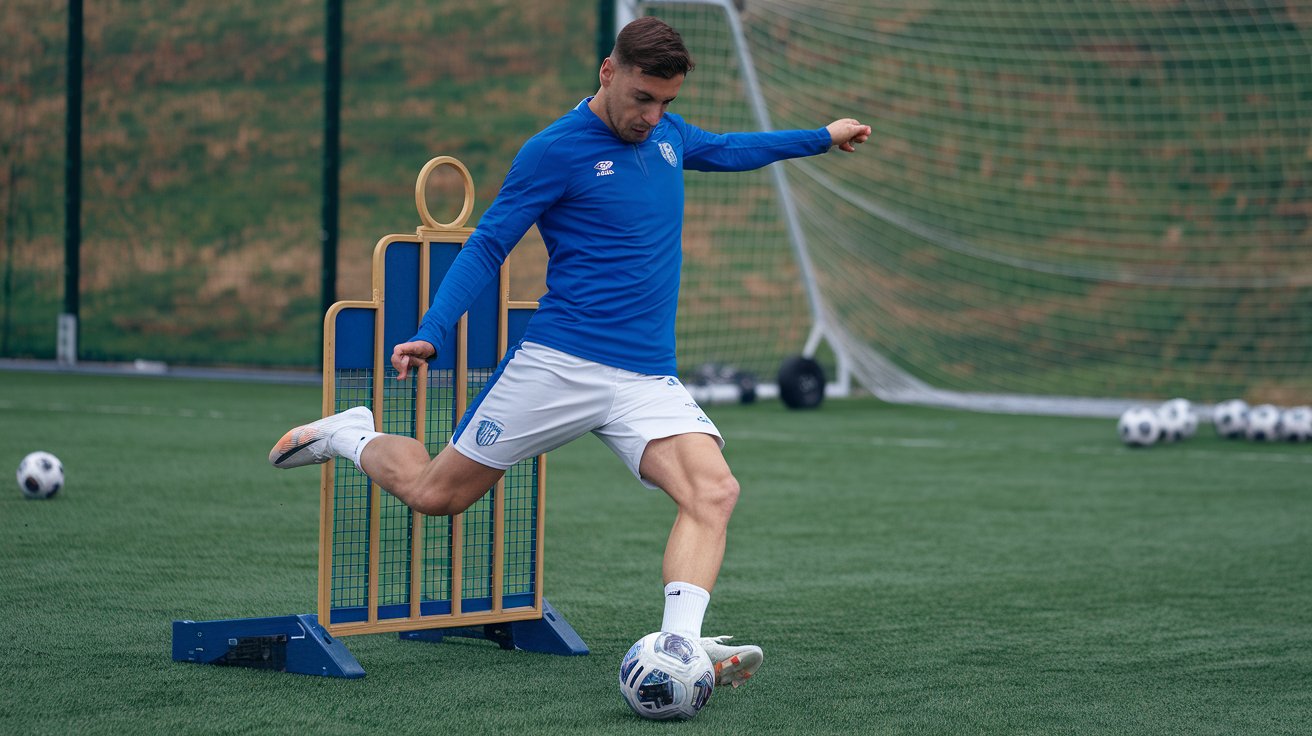
Combine dribbling through 3-4 cones with immediate shooting upon clearing the final obstacle. This dribble and shoot drill develops the ability to finish under pressure after creating space. Practice with both feet, focusing on quick shots after small touches. Complete 8 repetitions from different angles, alternating strong and weak foot finishes.
Advanced Movement and Agility Training
Soccer success depends heavily on movement quality, change of direction speed, and spatial awareness. These individual agility drills enhance physical attributes crucial for game performance while maintaining technical skill development.
Figure 8 Dribbling Patterns
Place two cones 5 yards apart and dribble in figure-8 patterns using various touches. This drill improves change of direction while maintaining ball control. Complete 5 circuits using inside touches only, then 5 with outside touches, finally 5 alternating both techniques. Focus on keeping the ball close during direction changes and accelerating through straight sections.
Slalom Speed Control
Set up 6 cones in a slalom pattern, 3 yards apart. Dribble through at varying speeds, focusing on ball control at pace. Start slowly ensuring perfect technique, then increase speed while maintaining control. This drill develops the ability to dribble effectively under game pressure and teaches proper body positioning during high-speed direction changes.
Age-Specific Training Modifications
Different age groups require tailored approaches to individual soccer training drills based on physical development, attention spans, and skill acquisition patterns. Understanding these differences ensures optimal training effectiveness and injury prevention.
Youth Players (8-12 Years)
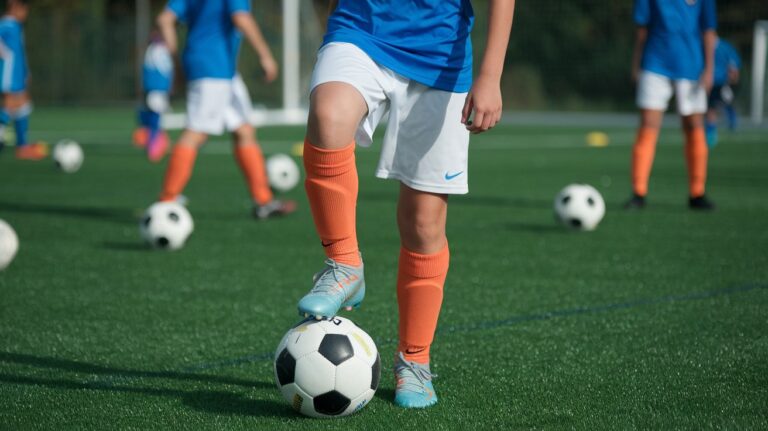
Young players benefit from fun soccer drills with shorter durations and game-like elements. Focus on basic ball mastery with 15-20 minute sessions. Include creativity challenges like juggling competitions or obstacle courses. Emphasize enjoyment over perfection, allowing natural skill development through play-based activities. US Soccer recommends 70% unstructured play for this age group.
Teenagers (13-18 Years)
High school players can handle more structured training with specific technique focus. Individual soccer training drills for high school athletes should include position-specific elements and increased physical demands. Sessions can extend to 45-60 minutes with multiple skill combinations. Incorporate video analysis and performance tracking to enhance learning and motivation.
Adult Players
Adult players require efficiency-focused training that maximizes limited practice time. Individual soccer training drills for adults should target specific weaknesses while maintaining overall fitness. 30-minute high-intensity sessions work best for busy schedules. Emphasize proper warm-up and injury prevention, as recovery takes longer than younger players.
Creating Effective Training Schedules
Successful individual development requires structured planning and progressive overload. Design your soccer training schedule around specific goals, available time, and current skill level. Consistency trumps intensity for long-term improvement.
Weekly schedules should include 3-4 individual sessions lasting 30-45 minutes each. Alternate between technical skill days and physical conditioning sessions. Track progress through video recording, timed drills, and accuracy measurements. Professional development programs show that players training individually 4+ times weekly improve 60% faster than those practicing 1-2 times weekly.
Related video about individual soccer training drills
This video complements the article information with a practical visual demonstration.
Key Questions and Answers
How often should I practice individual soccer training drills?
Practice individual soccer training drills 3-4 times per week for optimal results. Each session should last 30-45 minutes, focusing on different skills each day. Consistency is more important than duration – daily 20-minute sessions produce better results than occasional 2-hour practices. Allow one rest day between intensive sessions to prevent overuse injuries and maintain motivation.
What are the most effective individual soccer drills for beginners?
Beginners should start with juggling, basic cone dribbling, wall passing, and stationary shooting. These fundamental drills build essential touch, control, and accuracy. Focus on proper technique over speed or complexity. Master 10 consecutive juggles, complete cone weaving without losing control, and hit wall targets 7 out of 10 times before progressing to advanced variations.
Can individual soccer training replace team practice?
Individual training complements but cannot completely replace team practice. Solo drills develop technical skills and physical conditioning, while team sessions teach tactics, communication, and game situations. The most successful players combine both approaches – individual training for skill development and team practice for application. Aim for a 60-40 split favoring team training.
How do I track progress in individual soccer training?
Track progress through measurable metrics like juggling records, drill completion times, and shooting accuracy percentages. Record weekly videos to analyze technique improvements. Create training logs documenting exercises completed, duration, and personal ratings. Set monthly goals like achieving 50 consecutive juggles or completing cone drills 2 seconds faster than previous attempts.
What equipment do I need for effective individual soccer training?
Essential equipment includes a quality soccer ball, 6-8 training cones, access to a wall or rebounder, and markers for goal targets. Optional equipment like agility ladders, speed hurdles, and portable goals enhance training variety. Budget $50-150 for basic setup, or use household items like water bottles as cone substitutes. Most effective drills require minimal equipment investment.
How long before I see improvement from individual soccer training?
Noticeable improvements typically appear after 2-3 weeks of consistent individual training. Technical skills like first touch and ball control improve fastest, while complex movements and shooting accuracy require 4-6 weeks. Significant skill advancement becomes evident after 2-3 months of regular practice. Document baseline measurements to track objective progress and maintain motivation during improvement plateaus.
| Training Focus | Key Drills | Benefits |
|---|---|---|
| Ball Control | Juggling, Cone Dribbling | Improved touch and confidence |
| Passing Accuracy | Wall Passing, Target Practice | Better game distribution |
| Shooting | Finishing Drills, Power Shots | Increased goal scoring |
| Agility | Figure 8, Slalom Running | Enhanced movement quality |