Football Training for Beginners: Essential Skills & Drills
Football training for beginners requires a structured approach focused on fundamental skills development and proper technique building. Whether you’re starting youth football at age 6 or adult football training, mastering basic drills like passing, dribbling, and ball control forms the foundation for advanced play. This comprehensive guide provides proven training methods used by successful coaches across the United States in 2024.
Essential Football Fundamentals for New Players
Beginning football players must master core fundamentals before advancing to complex strategies. These basics include proper ball control, accurate passing techniques, and basic dribbling skills. Research from the United States Soccer Federation shows that players who spend adequate time on fundamentals show 40% faster improvement rates compared to those who skip basic skill development.
The foundation skills every beginner needs include first touch control, simple passing with both feet, basic dribbling moves, and proper shooting technique. Professional coaches recommend dedicating at least 60% of initial training time to these fundamental aspects. Players who consistently practice these basics for 3-4 weeks typically demonstrate noticeable improvement in game situations.
Top 10 Football Training Drills for Beginners
Effective football drills for beginners focus on repetition and gradual skill building. These proven exercises have been tested in youth programs across America and consistently produce positive results for new players at all age levels.
Ball Control and First Touch Drills
The wall pass drill remains the most effective exercise for developing ball control. Players stand 5 feet from a wall, pass the ball, and control the return with different parts of their foot. Perform 50 repetitions with each foot, focusing on clean first touches. The juggling progression starts with catching after one bounce, then progressing to multiple touches. Begin with 10 consecutive touches and increase by 5 each week.
Passing Accuracy Training Methods
Set up target passing drills using cones placed 10-15 yards apart. Practice short passes, focusing on accuracy over power. The pass and shuffle pairs drill involves two players passing while moving laterally, improving both passing accuracy and footwork. Advanced beginners should practice possession squares with 4 players in a 10×10 yard area, emphasizing quick, accurate passes under pressure.
Age-Specific Football Training Programs
Different age groups require tailored football training approaches to maximize development and maintain engagement. Youth soccer organizations in the US have developed specific guidelines for each age bracket based on physical and cognitive development stages.
Soccer Drills for 6-7 Year Olds
Young players need fun-focused drills that develop basic motor skills. Red Light, Green Light with balls teaches stopping and starting control. Simple dribbling through widely spaced cones builds confidence and coordination. Sessions should last 45-60 minutes maximum, with frequent water breaks and positive reinforcement. The emphasis should be on enjoyment and participation rather than competition at this age level.
Training Programs for 12-Year-Old Players
At age 12, players can handle more structured technical training. Focus on proper passing form, basic tactical understanding, and improved ball control. Training sessions can extend to 75-90 minutes with specific skill stations. Players this age benefit from small-sided games (7v7 or 9v9) that provide more touches and decision-making opportunities compared to full 11v11 games.
Home Football Training for Beginners
Training at home requires minimal equipment but maximum creativity. A simple setup with household items can create effective practice opportunities. Water bottles serve as cones, garage doors become rebounding walls, and small spaces work perfectly for close ball control exercises.
The most effective home training routine includes 15 minutes of juggling, 20 minutes of wall passes, and 15 minutes of dribbling through improvised obstacles. Consistency matters more than duration – daily 20-minute sessions produce better results than sporadic longer sessions. Many professional players credit their early development to consistent backyard practice sessions.
Adult Football Training Fundamentals
Adult beginners face unique challenges including limited flexibility, established movement patterns, and time constraints. However, adults often progress faster in tactical understanding and game awareness compared to younger players. Adult training should emphasize proper warm-up routines and injury prevention strategies.
Football training drills for adults should focus on efficient skill development and practical game applications. Adults benefit from understanding the ‘why’ behind each drill, making training sessions more engaging and purposeful. Recommended training frequency is 2-3 sessions per week, allowing adequate recovery time between intense practice sessions.
American Football vs Soccer Training Differences
Understanding the distinction between American football and soccer (association football) training is crucial for beginners in the United States. American football emphasizes hand-eye coordination, blocking techniques, and position-specific skills, while soccer focuses on foot skills, endurance, and ball control.
American football drills for beginners include proper throwing mechanics, catching techniques, and basic blocking stances. Soccer training emphasizes continuous movement, ball manipulation with feet, and cardiovascular endurance. Both sports share common elements like teamwork, strategy, and physical conditioning, but require different fundamental skill sets.
Creating Your Weekly Training Schedule
A well-structured weekly training schedule balances skill development, physical conditioning, and adequate rest. Beginners should start with 2-3 training sessions per week, gradually increasing intensity and duration as fitness and skills improve.
Monday and Wednesday sessions should focus on technical skills like passing, dribbling, and ball control. Friday sessions can emphasize small-sided games and scrimmages to apply learned skills in game-like situations. Weekend games or additional practice sessions work well for motivated players. Always include one complete rest day per week to prevent overuse injuries and mental burnout.
Essential Equipment for Beginner Football Training
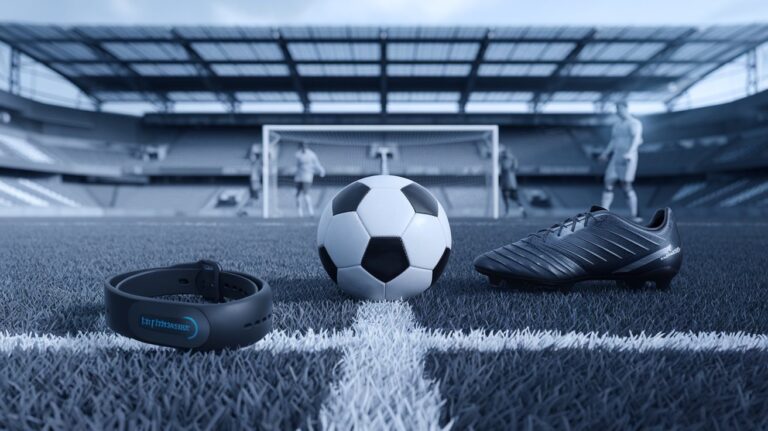
Starting football training requires minimal but important equipment investments. A quality soccer ball (size 3 for ages 6-8, size 4 for ages 9-11, size 5 for ages 12+) is the most crucial purchase. Proper footwear with appropriate studs for playing surface prevents injuries and improves performance.
Additional helpful equipment includes training cones for drill markers, a ball pump with pressure gauge, and comfortable athletic clothing. Shin guards are mandatory for organized play and recommended for practice sessions. Water bottles and a basic first aid kit round out essential training supplies for safe, effective practice sessions.
Tracking Progress and Setting Goals
Measuring improvement in football training requires both quantitative and qualitative assessments. Track specific metrics like juggling records, passing accuracy percentages, and sprint times. Video recording practice sessions helps identify technical improvements and areas needing focus.
Set realistic short-term goals such as completing 25 consecutive juggles or hitting a target 8 out of 10 times from 15 yards. Long-term goals might include making a local team or improving overall fitness levels. Regular progress reviews with coaches or experienced players provide valuable feedback and motivation for continued improvement.
Related video about football training for beginners
This video complements the article information with a practical visual demonstration.
Essential Q&A about football training for beginners
How should a beginner practice football?
Beginners should focus on fundamental skills through consistent practice sessions 2-3 times per week. Start with basic ball control, simple passing, and dribbling exercises. Spend 60% of training time on technical skills and 40% on small-sided games. Always warm up properly and practice with both feet to develop balanced skills.
How can a 12 year old get better at football?
Twelve-year-olds improve fastest through structured training that combines technical skill development with tactical understanding. Practice juggling daily, work on passing accuracy with both feet, and participate in small-sided games. Join a local youth team for regular coaching and competitive play experience.
How to start training for football?
Start football training by mastering basic skills: ball control, passing, and dribbling. Begin with 30-45 minute sessions focusing on fundamentals. Find a local club or coach for proper instruction, invest in appropriate equipment, and practice consistently 2-3 times per week. Gradually increase training intensity as skills improve.
What are 7 on 7 football drills?
Seven-on-seven football drills focus on passing, receiving, and coverage skills without linemen. Common drills include route running, quarterback reads, defensive coverage, and red zone scenarios. These drills emphasize timing, decision-making, and skill positions while reducing injury risk compared to full-contact practice.
What equipment do beginners need for football training?
Essential beginner equipment includes a proper-sized soccer ball, appropriate cleats, shin guards, and comfortable athletic clothing. Training cones, a ball pump, and water bottle are helpful additions. Total initial investment ranges from $75-150 depending on quality preferences and specific needs.
How long should beginner football training sessions last?
Beginner training sessions should last 45-75 minutes depending on age and fitness level. Young players (6-8 years) need shorter 30-45 minute sessions, while older beginners can handle 60-90 minutes. Include warm-up, skill work, scrimmage time, and cool-down for balanced development and injury prevention.
| Training Aspect | Key Focus | Expected Improvement |
|---|---|---|
| Ball Control | First touch and juggling | Confident possession in 4-6 weeks |
| Passing Accuracy | Short and medium range | 80% accuracy within 3 weeks |
| Dribbling | Close control and direction changes | Smooth moves in 2-4 weeks |
| Training Frequency | 2-3 sessions per week | Steady skill development |