Center Back Soccer: Complete Guide to Playing the Position
The center back soccer position is one of the most crucial roles on the field, serving as the backbone of defensive strategy. Center backs are responsible for stopping attacking plays, winning aerial duels, and initiating build-up play from the back. Understanding this position is essential for players, coaches, and fans who want to appreciate the tactical complexities of modern soccer.
What is a Center Back in Soccer?
A center back is a defensive player positioned in the heart of the defense, directly in front of the goalkeeper. This player forms the central defensive unit and is responsible for organizing the backline, marking opposing strikers, and clearing dangerous crosses. In modern soccer formations, teams typically employ two center backs in a four-defender system or three center backs in a five-defender setup.
The center back position has evolved significantly in recent years, with players expected to contribute more to ball distribution and attacking phases. Today’s center backs must possess excellent passing range, composure under pressure, and the ability to play accurate long balls to initiate counter-attacks. Professional teams in Major League Soccer and youth academies across the United States emphasize these modern requirements when developing center back players.
Position and Formation of Center Backs
The positioning of center back soccer players varies depending on the tactical formation employed by the team. Understanding these positional variations is crucial for both players and coaches developing defensive strategies.
Center Back Duo Formation
In a traditional 4-4-2 or 4-3-3 formation, two center backs work as a partnership to cover the central defensive zone. The duo typically positions themselves 8-12 yards apart, maintaining proper spacing to cover both central and wide attacking threats. Communication between the pair is essential, with one player often taking the role of the vocal leader who organizes defensive lines and calls out marking assignments during set pieces.
Three Center Back System
The three center back system, popularized in formations like 3-5-2 or 5-3-2, provides additional defensive stability and allows for more aggressive wing-back play. In this setup, the central center back acts as the sweeper, while the two wider center backs have more freedom to step out and challenge attackers. This formation has gained popularity in MLS teams seeking to maximize defensive solidity while maintaining attacking width through wing-backs.
What Does a Center Back Do in Soccer?
The responsibilities of a center back in football extend far beyond simple defensive duties, encompassing both defensive and offensive contributions that are vital to team success.
Defensive Responsibilities
The primary defensive duties of center back players include marking opposing strikers, winning aerial duels during corner kicks and free kicks, and making crucial tackles to prevent goal-scoring opportunities. Center backs must excel at reading the game, anticipating attacking movements, and positioning themselves to intercept passes or block shots. They are also responsible for organizing the defensive line, ensuring proper spacing, and implementing the offside trap when appropriate.
Offensive Contributions
Modern center backs play a significant role in initiating attacks and maintaining possession. They must demonstrate excellent passing accuracy, with top-level center backs achieving 85-95% pass completion rates. During set pieces, center backs become attacking threats, with many scoring 3-8 goals per season from headers during corner kicks. Additionally, they serve as the first line of build-up play, using their passing range to switch the point of attack or find teammates in advanced positions.
Essential Traits of Elite Center Backs
Successful center back soccer players must develop a specific set of physical, technical, and mental attributes to excel at the highest levels of competition.
Physical Attributes and Aerial Dominance
Height and physicality remain crucial for center backs, with elite players typically standing between 6’0″ and 6’4″ to dominate aerial duels. Professional center backs win approximately 60-75% of their aerial contests, making this attribute essential for defending set pieces and long balls. Strength is equally important, allowing players to hold off attacking players and win physical battles in the penalty area. Speed and agility have become increasingly important as center backs must now defend against pacier attacking threats.
Technical Skills and Ball-Playing Ability
Modern center back position demands exceptional technical skills, particularly in passing and ball control. Elite center backs must be comfortable receiving the ball under pressure and have the vision to pick out teammates with accurate short and long passes. First touch is critical, as center backs often receive balls in tight spaces with attacking players pressing. The ability to play diagonal balls to switch the field or find forwards with through passes has become a distinguishing factor among top-level center backs.
Mental Attributes and Game Reading
The mental aspect of playing center back includes positioning intelligence, decision-making under pressure, and leadership qualities. Center backs must constantly scan the field, anticipate attacking movements, and make split-second decisions about when to step out and challenge or when to hold their position. Communication skills are vital, as center backs often serve as on-field coaches, directing teammates and organizing defensive shape. Concentration levels must remain high throughout the entire match, as one lapse can result in a goal.
How to Play Center Back Effectively
Learning to play center back requires understanding positioning principles, mastering defensive techniques, and developing the tactical awareness needed to succeed at this demanding position.
Positioning and Movement Patterns
Proper positioning is the foundation of effective center back play. Players should maintain a balanced stance with knees slightly bent and weight on the balls of their feet for quick directional changes. The optimal position is typically 2-3 yards away from the attacker, close enough to challenge quickly but far enough to react to sudden movements. Center backs must constantly adjust their position based on ball location, with the general rule being to stay goalside of attackers while maintaining proper angles to cut off passing lanes.
Defensive Techniques and Timing
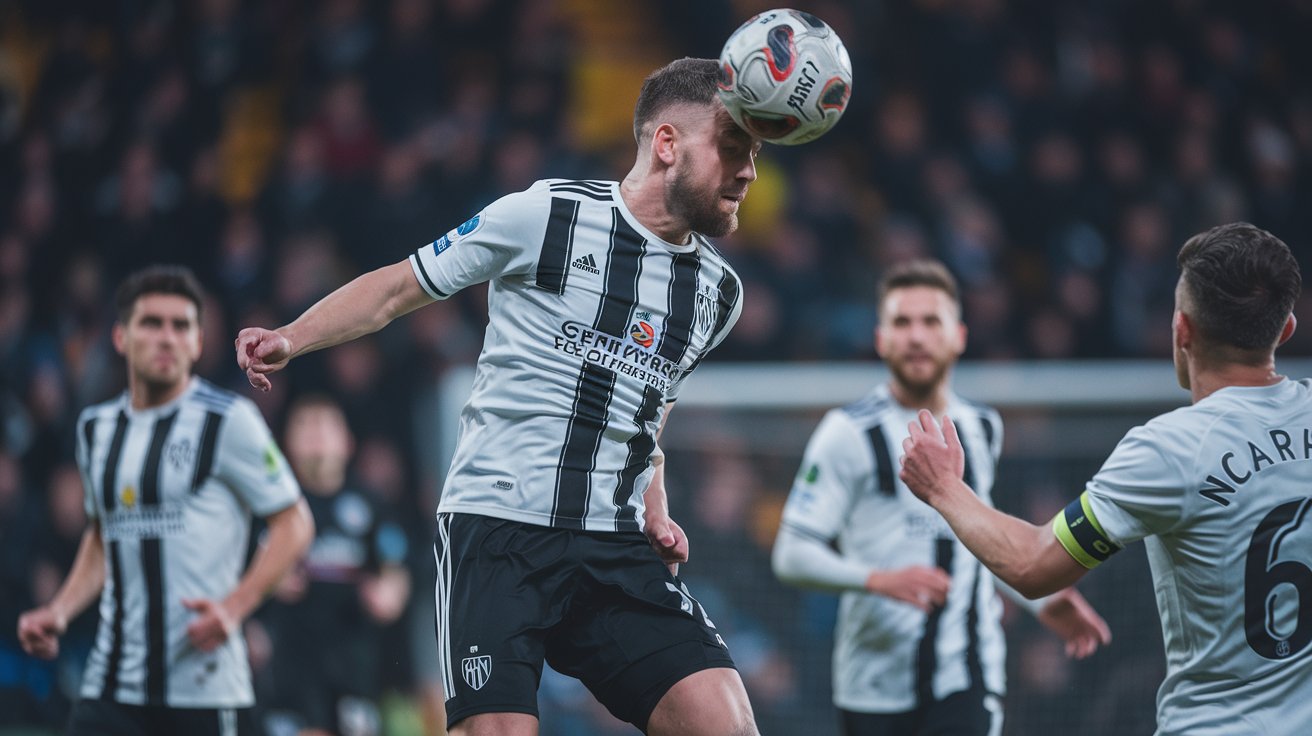
Successful center backs master the timing of tackles, blocks, and interceptions. The key is patience – rushing into tackles often leads to being beaten by skillful attackers. Instead, center backs should jockey opponents toward less dangerous areas while waiting for the right moment to win the ball. Header technique is equally important, with proper timing and positioning being more valuable than pure jumping ability. Center backs should attack the ball at its highest point and direct headers toward teammates or away from danger.
Center Back Rankings and Notable Players
Center back soccer rankings help identify the top performers in the position, with evaluation criteria including defensive statistics, passing accuracy, aerial duel success, and overall team contributions. In 2024-2025, MLS has featured several standout center backs who exemplify the modern requirements of the position.
Notable center back soccer teams in MLS include clubs that have built their defensive foundation around quality center back partnerships. Teams like Seattle Sounders, Los Angeles FC, and Philadelphia Union have demonstrated how effective center back play translates to overall team success. These organizations invest heavily in scouting and developing center back talent, recognizing the position’s importance in modern tactical systems.
Youth Development and Center Back Training
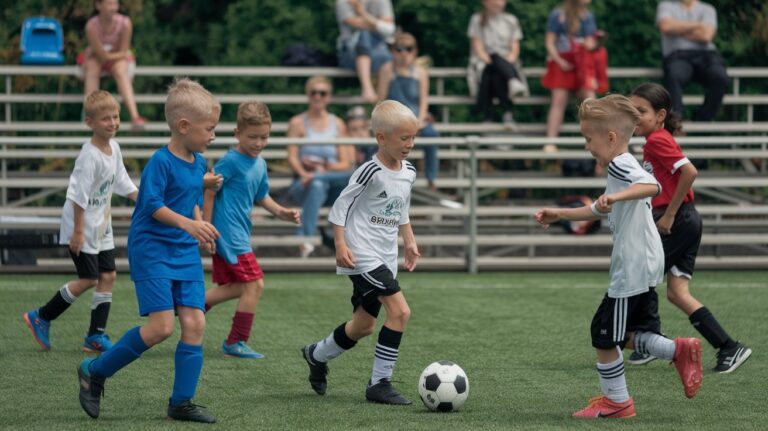
Center back soccer youth development programs across the United States focus on building the foundational skills necessary for success at higher levels. Youth coaches emphasize proper technique, tactical understanding, and physical development appropriate for each age group.
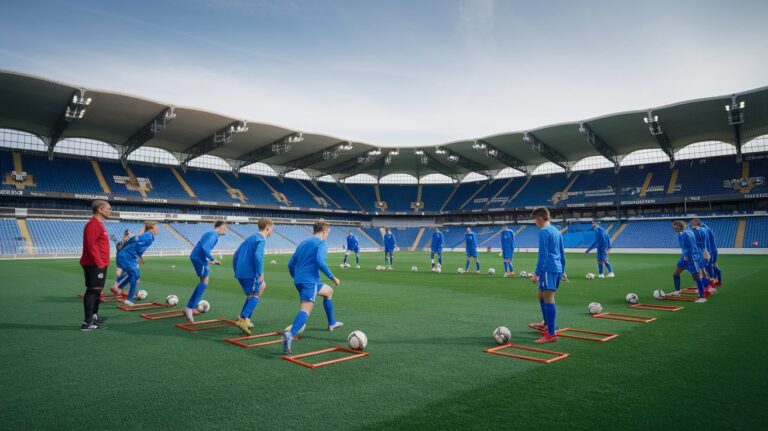
Training sessions for young center backs should include heading practice, passing drills under pressure, 1v1 defending scenarios, and communication exercises. Physical development is crucial, but technique and tactical awareness should be prioritized during formative years. Many successful professional center backs began their development in youth academies where they learned proper positioning, game reading, and leadership skills that serve them throughout their careers.
Related video about center back soccer
This video complements the article information with a practical visual demonstration.
Important things to know about center back soccer
Is centre-back a hard position to play in soccer?
Yes, center back is considered one of the most challenging positions in soccer due to the high level of responsibility and the need for consistent performance. Center backs must possess strong mental attributes, excellent positioning, aerial ability, and leadership skills. Mistakes in this position often lead directly to scoring opportunities, making it mentally demanding. However, with proper training and development, players can successfully master the center back position.
Where should you put the weakest player in soccer?
The weakest player should typically not be placed at center back, as this position requires high levels of skill, concentration, and physical ability. Instead, weaker players are often positioned on the wing where they have more space and support, or in less critical areas where mistakes won’t directly compromise defensive stability. Center back requires strong, reliable players who can handle pressure and make crucial decisions.
Who should play center back in soccer?
Center backs should be players with strong aerial ability, good positional sense, leadership qualities, and mental toughness. Ideal candidates are typically taller players (5’10” or above) with good passing ability and strong communication skills. They should demonstrate consistency, reliability under pressure, and the ability to organize teammates. Physical strength and pace are also important attributes for modern center backs.
How do you effectively play center back in soccer?
To play center back effectively, focus on proper positioning (stay goalside of attackers), maintain constant communication with teammates, and develop strong aerial skills. Practice patient defending – don’t rush into tackles. Master the art of timing for interceptions and headers. Work on passing accuracy and first touch, as modern center backs must contribute to build-up play. Always scan the field and anticipate attacking movements before they develop.
What are the key responsibilities of a center back?
Center backs are responsible for marking opposing strikers, winning aerial duels, organizing the defensive line, and initiating attacks through accurate passing. They must clear crosses and corners, communicate constantly with teammates, and maintain proper positioning to prevent goal-scoring opportunities. Additionally, modern center backs contribute to set piece attacks and serve as the primary ball distributors from defensive areas.
What formations work best for center back players?
Center backs perform well in various formations, with 4-4-2 and 4-3-3 being traditional two center back systems, while 3-5-2 and 5-3-2 utilize three center backs. The choice depends on team tactics and player strengths. Two center back systems require strong partnerships and communication, while three center back formations provide extra defensive security and allow for more specialized roles within the defensive unit.
| Key Aspect | Important Details | Benefit |
|---|---|---|
| Positioning | Stay goalside, 2-3 yards from attacker | Prevents direct goal threats |
| Aerial Ability | Win 60-75% of aerial duels | Dominates set pieces and crosses |
| Passing Accuracy | Maintain 85-95% completion rate | Initiates attacking plays |
| Communication | Constant direction and organization | Improves overall team defense |
| Physical Attributes | Height 6’0″-6’4″, strength and pace | Handles diverse attacking threats |