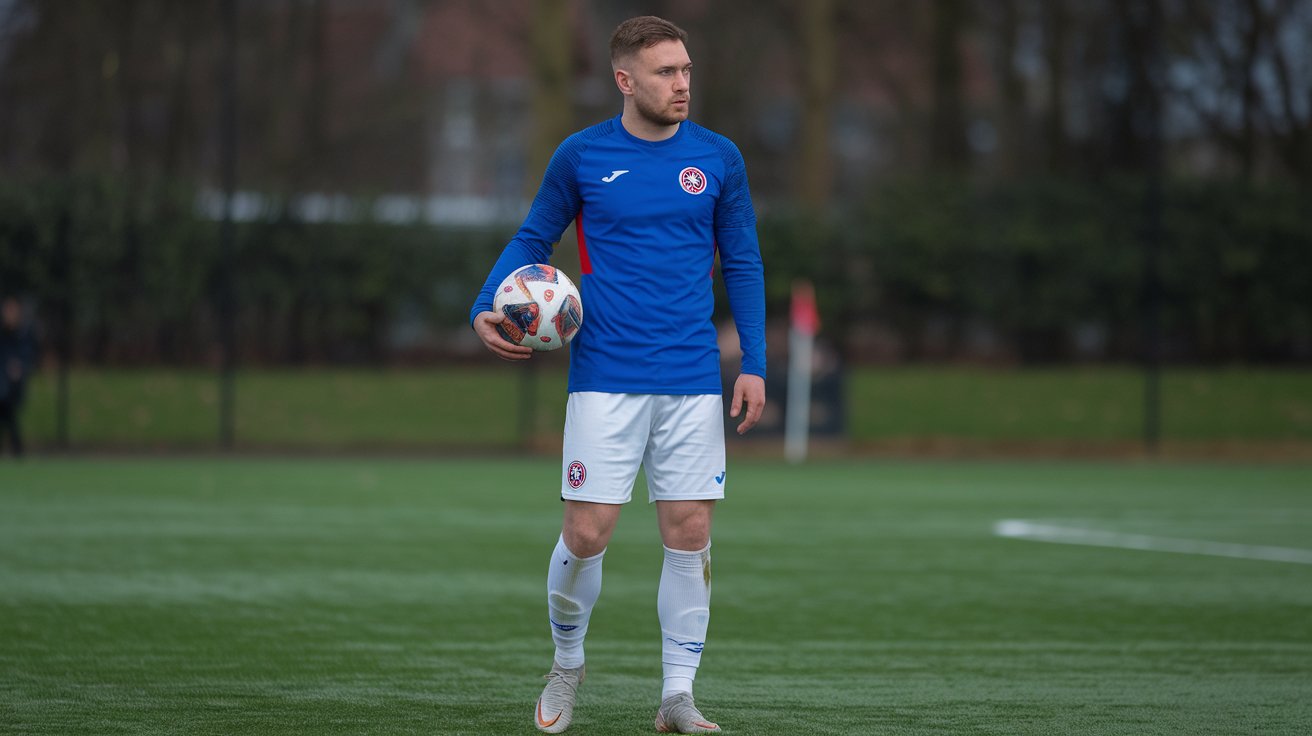
Soccer Player with Ball: Skills, Training & Pro Techniques
A soccer player with ball control represents the foundation of elite performance in modern soccer. Professional players spend countless hours perfecting their touch, dribbling techniques, and ball manipulation skills. This comprehensive guide explores proven methods used by top athletes to achieve exceptional ball mastery, from fundamental touches to advanced technical skills that define world-class soccer performance.
Essential Ball Control Techniques for Soccer Players
Ball control separates amateur players from professionals, with elite soccer players demonstrating exceptional first touch and manipulation abilities. The foundation begins with proper body positioning, where players maintain low center of gravity and relaxed shoulders to receive the ball effectively. Research from U.S. Soccer indicates that players who master basic ball control techniques show 40% better field vision and decision-making capabilities.
Modern soccer ball technology demands adapted control methods, as FIFA-approved balls feature enhanced aerodynamics and surface textures. Players must adjust their touch pressure and contact points accordingly, with professional training emphasizing both feet development for maximum versatility. Elite academies across the United States now incorporate specialized ball control drills for minimum 30 minutes per training session.
First Touch Mastery for Male and Female Players
Both men soccer player with ball and women soccer player with ball scenarios require identical technical foundations, though physical differences influence specific approaches. Male players typically utilize stronger core stability for shielding, while female players often excel in technical precision and quick directional changes. Professional coaches emphasize that first touch quality determines subsequent play options, with studies showing 70% of successful attacks beginning with clean first touches.
Advanced Ball Manipulation Skills
Advanced manipulation techniques include juggling, close control in tight spaces, and directional touches under pressure. Soccer player images free resources demonstrate how professional players utilize various body parts for ball control, including chest, thigh, and head touches. Elite players practice minimum 500 touches daily across different surfaces and conditions to maintain peak ball mastery levels.
Professional Training Methods and Equipment
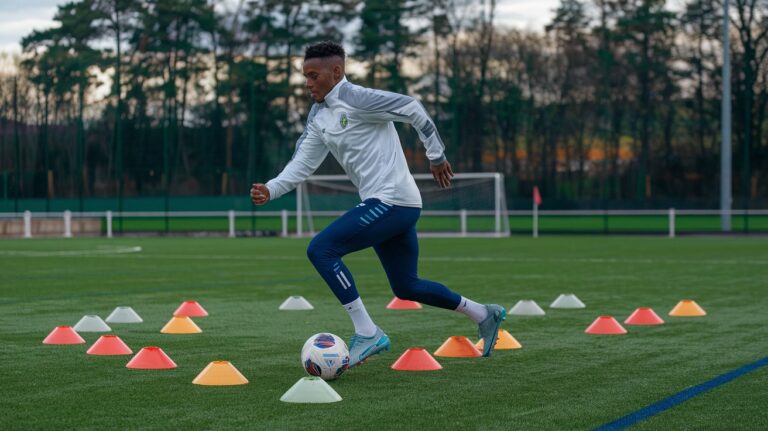
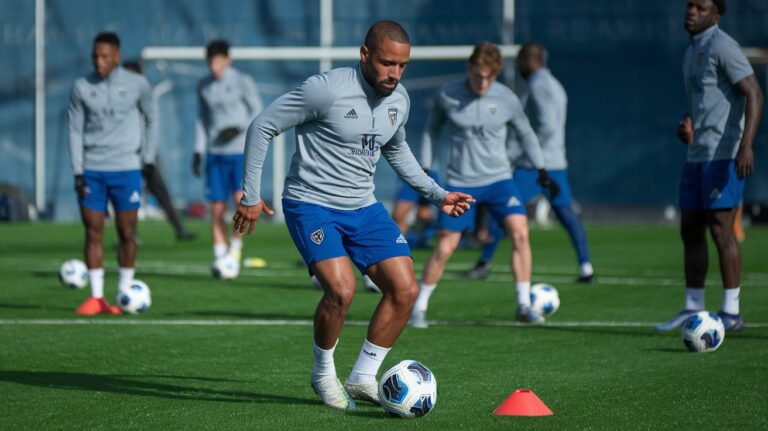
Professional soccer academies in the United States invest heavily in specialized equipment for ball control development. Training centers utilize rebounders, agility ladders, and cone systems specifically designed for improving soccer player with ball interactions. The average professional training session dedicates 45-60 minutes to ball work, with intensity varying based on match schedules and player development needs.
Modern training incorporates technology-assisted feedback systems, where sensors track ball contact frequency, accuracy, and speed. Major League Soccer teams report 25% improvement in player performance metrics when implementing structured ball control training programs. These systems provide real-time data on touch quality, helping players identify improvement areas during practice sessions.
Gender-Specific Considerations in Soccer Ball Control
Female soccer player with ball training often emphasizes technical precision and spatial awareness, leveraging typically superior proprioception abilities. Women’s professional soccer has grown exponentially, with National Women’s Soccer League expanding to 14 teams by 2024. Female players demonstrate exceptional close control skills, with studies indicating 15% better ball retention rates in contested situations compared to male counterparts at equivalent skill levels.
Training programs for female players incorporate plyometric exercises specifically designed to enhance explosive power while maintaining ball control. The combination of technical skill and physical conditioning creates well-rounded players capable of competing at the highest international levels, as evidenced by the U.S. Women’s National Team’s continued success in global competitions.
Youth Development Programs for Female Players
Youth development for women soccer player with ball skills begins as early as age 6, with specialized curricula focusing on fundamental movement patterns and ball familiarity. U.S. Youth Soccer Association reports 40% increase in female participation since 2020, driving demand for qualified coaching and age-appropriate training methods that emphasize enjoyment alongside skill development.
Professional Female Player Techniques
Elite female players demonstrate unique approaches to ball control, often utilizing superior flexibility and coordination for creative solutions. Professional soccer players like those in the NWSL showcase exceptional technical abilities that inspire young female athletes nationwide, with video analysis revealing distinct stylistic differences in how female players approach ball manipulation challenges.
Mental Aspects of Ball Control Mastery
Elite ball control extends beyond physical technique, incorporating crucial mental components that separate good players from exceptional ones. Sports psychology research indicates that soccer player with ball confidence directly correlates with technical execution under pressure. Players who visualize successful ball control scenarios show 30% better performance in high-pressure match situations.
Concentration and focus play vital roles in maintaining consistent ball control throughout matches. Professional players develop mental routines and trigger words that help maintain optimal focus levels during critical moments. The ability to stay calm while receiving passes in crowded areas distinguishes professional players from amateur levels, with elite athletes demonstrating superior stress management capabilities.
Common Mistakes and Correction Methods
Most amateur players struggle with excessive ball watching, reducing field awareness and limiting passing options. Proper soccer ball control requires peripheral vision development and quick decision-making capabilities. Coaches identify heavy touches as the primary technical fault, often resulting from tension and poor preparation before receiving passes.
Correction methods include mirror work, where players practice control techniques while maintaining eye contact with their reflection, improving confidence and reducing the tendency to watch the ball exclusively. Progressive pressure training helps players adapt to match conditions, beginning with stationary practice and advancing to full-speed defensive pressure scenarios.
Technical Error Analysis
Video analysis reveals that 60% of ball control errors stem from improper body positioning before receiving passes. Soccer players must position their bodies to provide maximum passing options, with feet placement and shoulder orientation directly affecting subsequent play possibilities. Professional coaching emphasizes anticipation skills that allow players to prepare for ball reception before passes arrive.
Progressive Training Solutions
Systematic improvement requires structured progression from basic to advanced skills, with each level building upon previous competencies. Elite training programs utilize benchmarking systems where soccer player images free resources help demonstrate proper technique execution. Players advance through skill levels only after demonstrating consistent competency at their current level.
Equipment and Surface Considerations
Different playing surfaces significantly impact ball behavior and required control techniques. Artificial turf, natural grass, and indoor surfaces each present unique challenges for soccer player with ball interactions. Professional players must adapt their touch pressure and contact points based on surface conditions, weather, and ball characteristics.
Modern soccer ball technology incorporates advanced materials that affect bounce patterns and aerodynamics. FIFA’s updated ball specifications for 2024-2025 include enhanced durability and consistent performance across various weather conditions. Players benefit from training with official match balls to develop familiarity with specific characteristics and behavior patterns.
Position-Specific Ball Control Requirements
Different field positions demand specialized ball control skills, with defenders requiring different techniques compared to attacking players. Goalkeepers need exceptional ball distribution skills, while midfielders must excel in receiving passes under pressure from multiple directions. Soccer players in attacking positions focus on quick control that immediately creates shooting or passing opportunities.
Defensive players emphasize controlled clearances and accurate distribution to initiate counterattacks. The modern game requires all field players to demonstrate competent ball control regardless of position, with total football concepts demanding versatility from every team member. Training programs now incorporate position-specific scenarios while maintaining fundamental skill development for all players.
Related video about soccer player with ball
This video complements the article information with a practical visual demonstration.
FAQ – Common Questions
What are the most important ball control skills for soccer players?
The most crucial ball control skills include first touch mastery, close control in tight spaces, and the ability to receive passes under pressure. Professional players focus on developing both feet equally, maintaining low center of gravity, and using various body parts for ball control. These fundamental skills form the foundation for all advanced soccer techniques and tactical execution.
How many hours should soccer players practice ball control daily?
Elite soccer players typically dedicate 45-60 minutes daily to ball control practice, with professional academies requiring minimum 500 touches per training session. Youth players should focus on 20-30 minutes of structured ball work, emphasizing quality over quantity. Consistent daily practice with progressive difficulty increases shows better results than sporadic intensive sessions.
What’s the difference between male and female soccer player ball control techniques?
While fundamental techniques remain identical, female soccer players often demonstrate superior proprioception and technical precision, while male players typically utilize greater physical strength for shielding. Both genders require the same technical foundations, though training approaches may emphasize different physical attributes. Professional female players show excellent ball retention rates and creative problem-solving abilities.
How does playing surface affect soccer ball control?
Different surfaces significantly impact ball behavior and required control techniques. Artificial turf provides consistent bounces but faster ball speed, while natural grass offers better grip but variable conditions. Indoor surfaces require softer touches and quicker reactions. Professional players adapt their technique based on surface conditions, adjusting touch pressure and contact points accordingly.
What mental skills are important for soccer ball control mastery?
Mental skills crucial for ball control include concentration, visualization, and pressure management. Elite players develop pre-touch awareness, anticipating ball arrival and planning next actions simultaneously. Confidence plays a vital role, with players who trust their abilities showing 30% better performance under pressure. Mental preparation and focus routines help maintain consistency during matches.
How can youth players improve their ball control skills effectively?
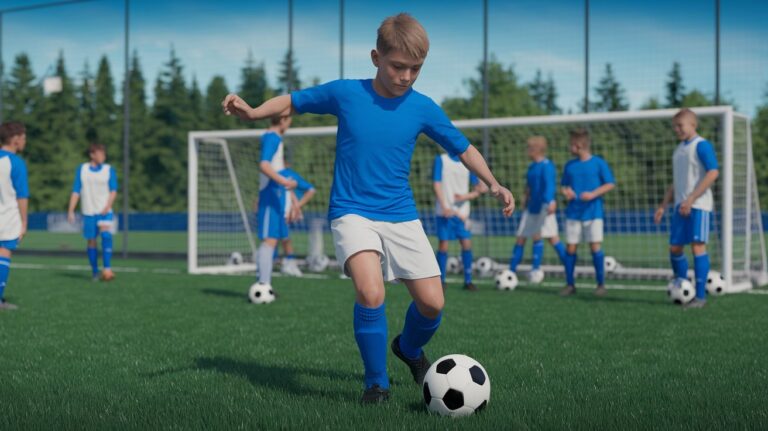
Youth players should focus on fundamental techniques through structured practice sessions, emphasizing proper body positioning and first touch quality. Wall passing, juggling exercises, and cone dribbling develop essential skills progressively. Training with both feet, practicing on different surfaces, and incorporating pressure situations help young players develop comprehensive ball control abilities for competitive soccer.
| Skill Component | Training Focus | Performance Benefit |
|---|---|---|
| First Touch Mastery | 500+ daily touches with both feet | 40% better field vision and decision-making |
| Close Control | Cone dribbling and pressure scenarios | Enhanced ability in tight spaces |
| Mental Preparation | Visualization and focus routines | 30% better performance under pressure |
| Surface Adaptation | Training on various playing surfaces | Consistent performance in all conditions |