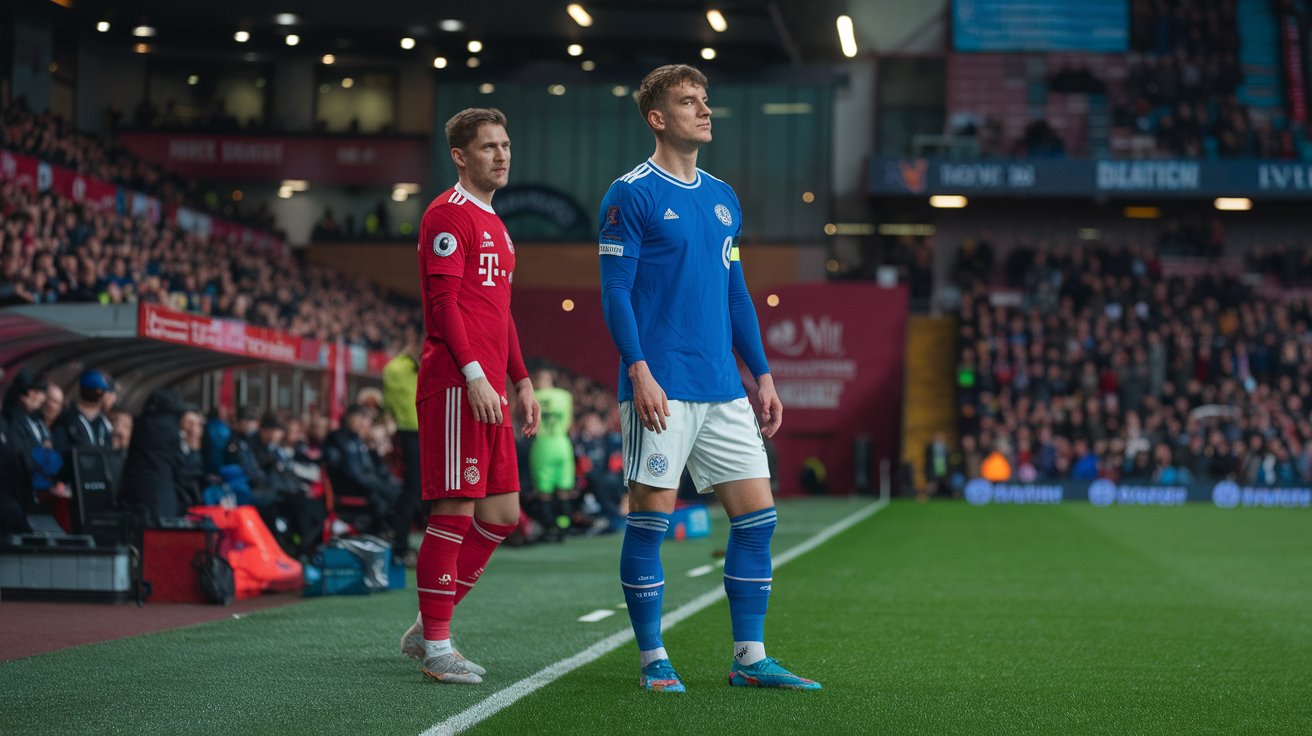
How to Soccer: Complete Beginner’s Guide to Playing Soccer
Learning how to soccer begins with understanding the fundamentals of this beloved sport played by millions worldwide. Whether you’re teaching yourself or joining organized training, mastering the basics of ball control, passing, and positioning will set the foundation for your soccer journey. This comprehensive guide covers everything beginners need to know about playing soccer step by step.
Soccer Basics for Beginners
Understanding soccer rules is essential before stepping onto the field. The objective is simple: score goals by getting the ball into the opponent’s goal using any part of your body except hands and arms. Each team fields eleven players, including one goalkeeper who can use hands within their penalty area. Games consist of two 45-minute halves with a 15-minute halftime break.
The basic soccer equipment required includes soccer cleats, shin guards, shorts, jersey, and socks. A size 5 ball is standard for players over 14 years old, while younger players use smaller sizes. The field dimensions range from 100-130 yards long and 50-100 yards wide, with specific markings including penalty areas, center circle, and corner arcs.
Essential Soccer Skills Development
Mastering fundamental soccer skills requires consistent practice and proper technique. Ball control forms the foundation of all soccer abilities, involving your ability to receive, trap, and manipulate the ball using different parts of your feet, thighs, chest, and head.
Ball Control and First Touch
Developing excellent ball control starts with practicing your first touch daily. Use the inside of your foot to cushion incoming passes, keeping the ball close to your body. Practice juggling to improve coordination and touch sensitivity. Start with 10 touches using only your feet, then progress to incorporating thighs and head. Professional players typically achieve 100+ consecutive touches during training sessions.
Passing Techniques and Accuracy
Accurate passing in soccer involves using the inside of your foot for short distances and the instep for longer passes. Keep your head up to see teammates and opponents, plant your non-kicking foot firmly beside the ball, and follow through toward your target. Practice wall passes, where you pass against a wall and control the return, aiming for 50 consecutive accurate passes to build muscle memory.
Soccer Positions and Roles
Understanding soccer positions helps players know their responsibilities and movement patterns during matches. The goalkeeper defends the goal and can use hands within the penalty area. Defenders protect their goal and include center-backs and full-backs who also contribute to attacks through overlapping runs.
Defensive Positions Explained
Center-backs are typically the tallest and strongest players, responsible for defending against opposing forwards and winning aerial duels. Full-backs operate on the flanks, providing width in attack while tracking opposing wingers defensively. The sweeper role, though less common in modern soccer, involves cleaning up defensive situations and providing cover behind the defensive line.
Midfield and Forward Roles
Midfielders control the game’s tempo and include defensive, central, and attacking variants. Defensive midfielders break up opposition attacks and distribute the ball, while attacking midfielders create scoring opportunities. Forwards score goals and include strikers, who operate centrally, and wingers who attack from wide positions, requiring pace and crossing ability.
Learning Soccer at Different Ages
Many wonder if 14 is too late to start playing soccer, but the answer is definitely no. While professional players often start younger, recreational and even competitive soccer welcomes players of all ages. In the United States, youth soccer participation peaked at 3.9 million registered players in 2024, with adult leagues growing 15% annually.
Adult beginners can successfully learn soccer by focusing on technique over athleticism initially. Many MLS players didn’t start organized soccer until their teens, proving that dedication and proper training can overcome late starts. Community colleges and adult leagues provide excellent environments for older beginners to develop skills.
Teaching Yourself Soccer Skills
Learning how to teach myself to play soccer involves structured practice sessions and utilizing available resources. Create a training schedule focusing on different skills each day: Monday for ball control, Tuesday for passing, Wednesday for shooting, and so forth. Consistency matters more than intensity for skill development.
Use online tutorials, soccer apps, and video analysis to understand proper technique. Record yourself practicing to identify areas for improvement. Set specific, measurable goals like completing 20 accurate passes in a row or juggling the ball 50 times without dropping it. Track your progress weekly to maintain motivation and measure improvement over time.
The 4 D’s of Defending Soccer
Effective defending in soccer follows the principle of the 4 D’s: Delay, Deny, Deflect, and Destroy. This systematic approach helps defenders make quick decisions under pressure while maintaining tactical discipline throughout the match.
Delay and Deny Tactics
Delay involves slowing down the attacking player’s progress, buying time for teammates to recover defensive positions. Maintain a low center of gravity, stay on your toes, and keep about two yards distance from the attacker. Deny means preventing the attacker from advancing toward goal by positioning your body to force them toward the touchline or into areas where they’re less dangerous.
Deflect and Destroy Methods
Deflect involves redirecting attacks away from dangerous areas through interceptions and blocks. Time your challenges carefully and aim to win the ball cleanly. Destroy means completely stopping the attack through tackles, clearances, or forcing turnovers. Professional defenders average 8-12 successful defensive actions per game, including tackles, interceptions, and clearances combined.
Most Challenging Soccer Positions
When asked what’s the hardest position in soccer, most experts point to goalkeeper or central midfielder. Goalkeepers face unique pressure as the last line of defense, where mistakes often directly result in goals. They must master specialized skills including shot-stopping, distribution, aerial ability, and game reading that other positions don’t require.
Central midfielders also face significant challenges, needing exceptional fitness to cover the most ground during matches. They must excel at both defensive and attacking responsibilities while maintaining tactical awareness throughout the game. Studies show central midfielders run 10-12 kilometers per match, more than any other outfield position, while making 60-80 passes with 85%+ accuracy expectations.
Effective Soccer Training Methods
Making soccer training as effective as possible requires combining technical skill work with physical conditioning and tactical understanding. Structure training sessions with proper warm-up, skill development, small-sided games, and cool-down periods. Professional teams typically train 4-6 times per week with varying intensity levels.
Incorporate game-like situations into training by using cones to create scenarios, practicing under pressure, and simulating match conditions. Small-sided games improve decision-making, first touch, and tactical awareness simultaneously. The United States Soccer Federation recommends 3:1 practice-to-game ratios for optimal player development, emphasizing quality repetitions over quantity.
Related video about how to soccer
This video complements the article information with a practical visual demonstration.
Essential Q&A about how to soccer
How can I teach myself to play soccer?
Start with basic ball control exercises like juggling and wall passes. Practice 30-45 minutes daily focusing on different skills. Watch professional games to understand positioning and movement patterns. Join pickup games or adult leagues to apply skills in real situations. Use online resources and apps to learn proper technique and create structured training plans.
What’s the hardest position in soccer?
Goalkeeper is considered the most challenging position due to unique pressure and specialized skills required. Central midfielder ranks second, requiring exceptional fitness to cover 10-12 kilometers per match while maintaining tactical awareness. Both positions demand mental toughness, technical ability, and the capacity to influence games significantly through individual performance.
What are the 4 D’s of defending soccer?
The 4 D’s are Delay, Deny, Deflect, and Destroy. Delay slows attacking progress, Deny prevents advancement toward goal, Deflect redirects attacks away from danger, and Destroy completely stops attacks through tackles or clearances. This systematic approach helps defenders make quick decisions while maintaining tactical discipline throughout matches.
Is 14 too late to start playing soccer?
No, 14 is not too late to start soccer. Many successful players began organized soccer in their teens. While professional careers may be challenging to achieve, recreational and competitive opportunities exist at all levels. Focus on technique development, join local clubs or school teams, and remember that passion and dedication can overcome late starts.
How long does it take to learn basic soccer skills?
Basic soccer skills typically take 3-6 months of consistent practice to develop. Ball control and passing fundamentals can be learned within weeks, while advanced techniques like accurate shooting and tactical awareness may take years. Practice 3-4 times weekly for 45-60 minutes to see steady improvement and build muscle memory effectively.
What equipment do I need to start playing soccer?
Essential soccer equipment includes cleats, shin guards, shorts, jersey, and socks. A size 5 ball is standard for players over 14. Optional items include practice cones, gloves for goalkeepers, and compression shorts. Total beginner equipment costs typically range from $100-200 in the United States, with quality gear lasting multiple seasons with proper care.
| Key Aspect | Important Details | Benefit |
|---|---|---|
| Ball Control | Daily practice with juggling and first touch exercises | Foundation for all soccer skills |
| Passing Accuracy | Use inside foot, keep head up, follow through | Maintains possession and creates opportunities |
| Position Understanding | Learn roles of defenders, midfielders, forwards | Improves tactical awareness and teamwork |
| Defending Principles | Master the 4 D’s: Delay, Deny, Deflect, Destroy | Prevents goals and regains possession |
| Training Consistency | Practice 3-4 times weekly for 45-60 minutes | Builds muscle memory and confidence |