Learning Soccer for Beginners: Complete Guide to Start Playing
Learning soccer for beginners starts with understanding the fundamentals of the world’s most popular sport. With over 24.4 million Americans playing soccer as of 2024, mastering the basic soccer skills and rules opens doors to recreational leagues, youth programs, and adult beginner classes nationwide. This comprehensive guide covers everything from soccer rules for beginners to essential techniques needed to start your soccer journey.
Soccer Field Layout and Basic Equipment
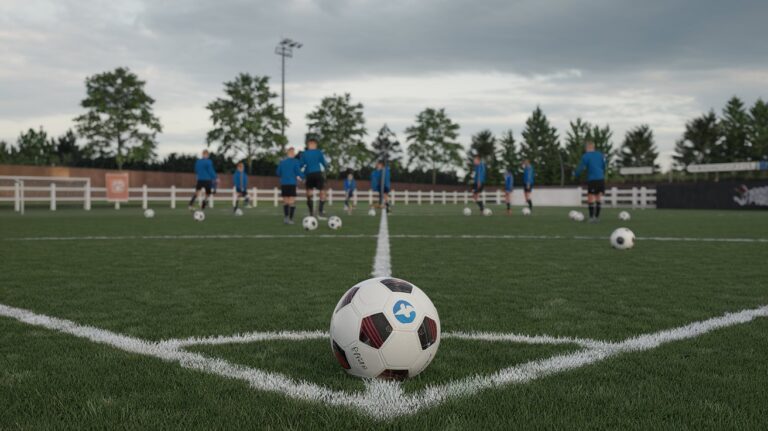
The soccer field measures between 100-130 yards long and 50-100 yards wide, with specific markings that define play areas. The penalty area extends 18 yards from each goal line, while the goal area spans 6 yards from the goal. Understanding these dimensions helps beginners navigate the field effectively during gameplay.
Essential soccer equipment includes shin guards (mandatory in all organized play), soccer cleats with appropriate studs for field conditions, and a size 5 ball for players over 12 years old. Many beginner programs in the United States provide equipment, making it easier for newcomers to start playing soccer without significant upfront investment.
Fundamental Soccer Rules Every Beginner Must Know
The 5 basic rules of soccer form the foundation of gameplay understanding. First, only goalkeepers can use hands within their penalty area. Second, the offside rule prevents players from camping near the opponent’s goal. Third, the ball must completely cross the goal line for a score. Fourth, throw-ins restart play when the ball exits the sideline. Fifth, corner kicks and goal kicks restart play when the ball crosses the goal line.
Additional soccer rules for beginners include understanding fouls like kicking, tripping, or pushing opponents, which result in free kicks or penalty kicks. Yellow cards serve as warnings, while red cards result in ejection. These 10 rules of soccer create the framework for fair play and competitive balance in matches.
Offside Rule Simplified for New Players
The offside rule prevents attacking players from positioning themselves closer to the opponent’s goal line than both the ball and the second-to-last opposing player when their teammate plays the ball. This soccer rule only applies in the attacking half of the field and doesn’t count for throw-ins, corner kicks, or goal kicks. Understanding offside helps beginners position themselves legally during attacking plays.
Fouls and Card System Explained
Common fouls in soccer for beginners include kicking an opponent, holding, pushing, or dangerous play like high kicks near other players. Direct free kicks result from contact fouls, while indirect free kicks come from technical violations. Yellow cards warn players for unsporting behavior, while red cards immediately eject players for serious misconduct or receiving two yellow cards in the same match.
Soccer Positions and Team Formation Basics
Traditional soccer positions include defenders, midfielders, and forwards, each with specific responsibilities during play. Defenders protect the goal area and initiate attacks from the back, midfielders control the center of the field and distribute the ball, while forwards focus on scoring opportunities. Modern formations like 4-4-2 or 4-3-3 describe player arrangements across these position groups.
For beginners learning soccer, understanding positional roles helps determine where to focus skill development. Defenders need strong clearing and tackling abilities, midfielders require passing accuracy and field vision, while forwards benefit from shooting precision and speed. Youth programs often rotate players through different positions to develop well-rounded skills.
Defensive Positions and Responsibilities
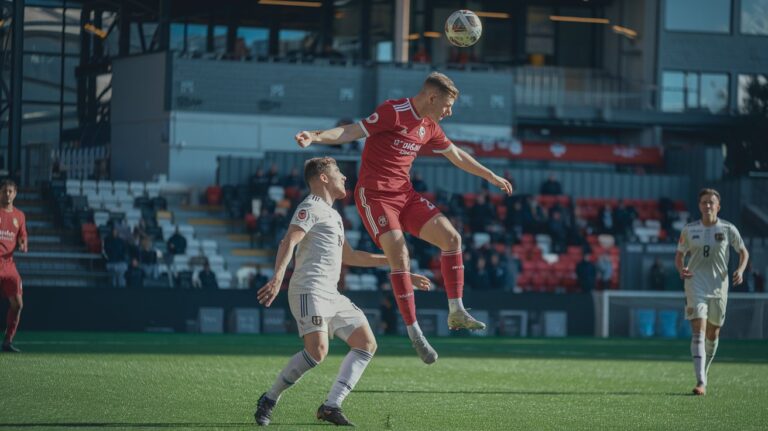
Center-backs form the last line of defense before the goalkeeper, focusing on aerial duels, tackles, and clearing dangerous balls. Full-backs patrol the sidelines, supporting both defensive duties and attacking runs down the flanks. These soccer positions require strong communication skills to coordinate defensive movements and maintain proper spacing during opponent attacks.
Midfield and Forward Role Overview
Defensive midfielders shield the defense and distribute passes to start attacks, while attacking midfielders create scoring opportunities through passes and shots. Wingers provide width in attacks and track back defensively, while strikers focus primarily on scoring goals and pressuring opposing defenders. Understanding these roles helps beginners choose positions matching their natural abilities.
Essential Soccer Skills for New Players
The first skill to learn in soccer involves ball control using different parts of both feet. Beginners should practice receiving passes with the inside of the foot, which provides the largest surface area for ball contact. Developing comfort with both feet prevents predictable play patterns and creates more passing and shooting options during games.
Passing accuracy forms the foundation of team play, with short passes using the inside foot being the most reliable technique. Learning soccer skills progressively builds from stationary practice to moving drills that simulate game conditions. Regular practice of these fundamental techniques creates muscle memory essential for confident gameplay.
Ball Control and First Touch Development
Effective ball control requires using different foot surfaces depending on ball trajectory and game situation. The inside foot provides control for ground passes, while the outside foot helps change direction quickly. Soccer for beginners should emphasize keeping the ball close during practice to develop comfort and confidence with ball manipulation under pressure.
Passing Techniques and Accuracy Training
Short passing with the inside foot requires a firm, controlled motion striking through the center of the ball. Long passes use the instep with a longer follow-through to achieve distance and accuracy. Practicing soccer passing with both stationary and moving targets develops the accuracy needed for effective team play during matches.
Best Age to Start Soccer and Learning Progression
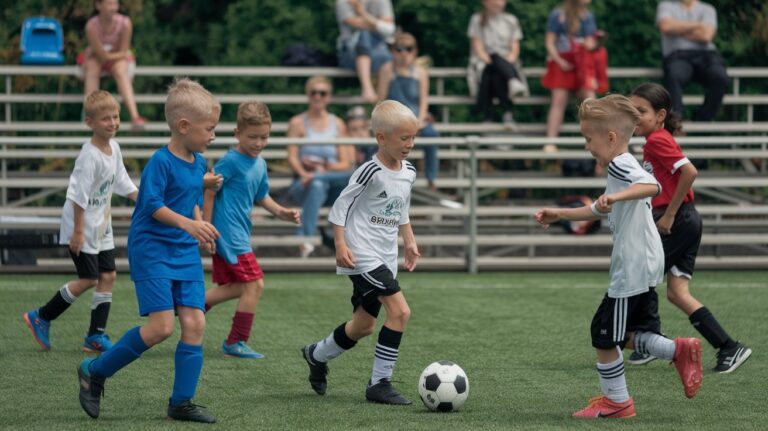
The best age to start soccer varies by individual development, but most organized youth programs begin around age 4-5 with basic ball familiarity and fun activities. Children develop fundamental movement patterns between ages 6-9, making this period ideal for introducing proper technique. However, adult beginners can successfully learn soccer at any age with appropriate instruction and realistic expectations.
Learning progression for soccer beginners typically follows a structured path from basic ball control to complex team tactics. Adult learners often progress faster in understanding tactical concepts but may need more time developing technical skills compared to younger players. Many communities offer adult beginner leagues specifically designed for players starting soccer later in life.
How to Learn Soccer by Yourself: Self-Training Methods
Learning soccer by yourself requires structured practice focusing on technical skills that don’t require partners. Ball juggling develops touch and coordination, while dribbling through cones improves ball control and agility. Wall passing creates repetitive practice for both feet, helping develop muscle memory for accurate passing under pressure.
Individual soccer training should include cardiovascular fitness through running and interval training, as soccer demands sustained energy throughout 90-minute matches. Watching professional games helps beginners understand positioning, movement patterns, and tactical decisions that improve field awareness during actual play.
Technical Skills Practice Alone
Solo technical training focuses on repetitive movements that build fundamental soccer skills. Juggling starts with catching the ball after one touch, progressing to continuous touches using feet, thighs, and head. Cone dribbling drills improve close ball control while developing the ability to change direction quickly during games.
Physical Fitness and Conditioning
Soccer-specific fitness combines endurance, speed, and agility training to match game demands. Interval running simulates the stop-start nature of soccer, while plyometric exercises develop the explosive power needed for jumping and quick direction changes. Soccer conditioning should progress gradually to prevent injury while building the stamina required for effective gameplay.
Finding Soccer Programs and Clubs in the United States
Youth soccer clubs operate in virtually every American community, with over 3 million registered youth players as of 2024. Major organizations like US Youth Soccer and AYSO provide structured programs with qualified coaching and age-appropriate competition levels. Adult recreational leagues offer opportunities for beginners to learn while playing in supportive environments.
Community colleges and recreation centers frequently offer soccer classes for adults focusing on skill development rather than competitive play. These programs typically run 6-8 weeks and cover basic techniques, rules, and small-sided game experience. Many facilities provide equipment and welcome players with no previous soccer experience.
Common Beginner Mistakes and How to Avoid Them
New players often make the mistake of only using their dominant foot, limiting their effectiveness and predictability during games. Soccer for beginners should emphasize equal practice time for both feet from the start. Another common error involves ball-watching instead of maintaining field awareness, which prevents players from recognizing open teammates and defensive threats.
Beginners frequently try to kick the ball too hard instead of focusing on accuracy and control. Learning proper soccer technique requires starting with gentle, controlled movements before adding power. Rushing skill development often leads to poor habits that become difficult to correct later, making patient, progressive training essential for long-term success.
Building Confidence and Enjoying Your Soccer Journey
Soccer confidence grows through consistent practice and positive experiences during gameplay. Setting realistic goals helps beginners measure progress without becoming discouraged by comparing themselves to experienced players. Adult soccer beginners should focus on personal improvement rather than immediate competitive success, celebrating small victories like successful passes or improved ball control.
Joining supportive team environments creates friendships and shared learning experiences that enhance enjoyment of the sport. Many beginner soccer programs emphasize fun and participation over winning, creating ideal conditions for developing skills and passion for the game. Remember that even professional players started as beginners, and every expert was once a novice learning the beautiful game.
Related video about learning soccer for beginners
This video complements the article information with a practical visual demonstration.
Questions & Answers
What are the 5 rules for soccer?
The 5 fundamental soccer rules are: 1) Only goalkeepers can use hands in their penalty area, 2) Players cannot be offside when receiving passes in the attacking half, 3) The entire ball must cross the goal line for a score, 4) Throw-ins restart play when the ball exits sidelines, and 5) Corner kicks and goal kicks restart play when the ball crosses the goal line. These basic rules form the foundation for understanding soccer gameplay.
What is the first skill to learn in soccer?
Ball control using the inside of both feet is the first skill beginners should master. This involves receiving and controlling passes cleanly, keeping the ball close to your feet, and developing comfort touching the ball with different parts of both feet. Strong ball control creates the foundation for all other soccer skills including passing, dribbling, and shooting.
What age is best to start soccer?
Children can start soccer as early as age 4-5 through fun-focused programs, with ages 6-9 being optimal for learning fundamental techniques and movement patterns. However, soccer can be learned successfully at any age. Adult beginner programs are widely available across the United States, and many players start in their 20s, 30s, or beyond with proper instruction and realistic expectations.
How do I learn soccer by myself?
Self-learning soccer involves practicing technical skills like ball juggling, wall passing, cone dribbling, and shooting drills. Focus on repetitive practice with both feet, watch professional games to understand positioning and tactics, and maintain cardiovascular fitness through running. Combine solo practice with joining beginner groups or classes to develop game understanding and teamwork skills.
How long does it take to learn basic soccer skills?
Basic soccer skills typically take 3-6 months of regular practice to develop confidence with ball control, passing, and simple dribbling. However, skill development varies by individual factors like natural coordination, practice frequency, and quality of instruction. Adult beginners may need additional time for technical skills but often grasp tactical concepts faster than younger players.
What equipment do I need to start playing soccer?
Essential soccer equipment includes shin guards (mandatory for organized play), soccer cleats appropriate for field conditions, and comfortable athletic clothing. A size 5 soccer ball is standard for players over 12. Many beginner programs provide equipment initially, allowing newcomers to try the sport before investing in personal gear. Goalkeepers require additional protective equipment including gloves.
| Learning Aspect | Key Focus Areas | Expected Timeline |
|---|---|---|
| Basic Rules | Offside, fouls, restarts, scoring | 2-4 weeks |
| Ball Control | First touch, both feet, close control | 2-3 months |
| Passing Skills | Short passes, accuracy, both feet | 3-4 months |
| Position Understanding | Field awareness, role responsibilities | 4-6 months |
| Game Confidence | Decision making, team play | 6-12 months |