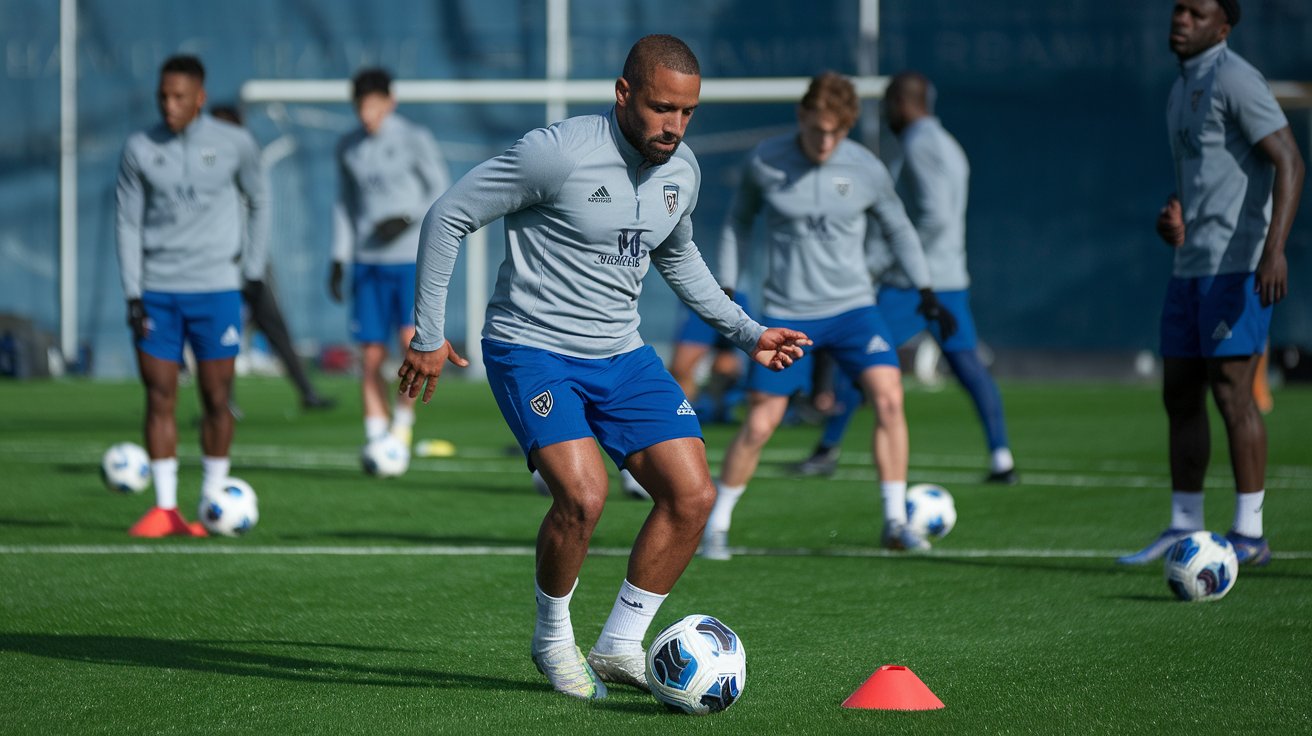
Soccer 1v1 Drills: Ultimate Training Guide for 2025
Soccer 1v1 drills form the foundation of individual player development, teaching essential skills like ball control, decision-making, and defensive positioning. These soccer 1v1 drills improve a player’s ability to beat defenders, protect the ball, and create scoring opportunities. Whether you’re coaching youth players or developing advanced techniques, mastering one-on-one situations is crucial for soccer success in 2025.
Essential Soccer 1v1 Drills for Skill Development
Effective soccer 1v1 drills target specific technical and tactical elements that players encounter during match situations. These drills focus on improving first touch, change of pace, body feints, and spatial awareness. According to 2025 US Youth Soccer development guidelines, players should practice 1v1 situations for at least 20 minutes per training session to build confidence and technical proficiency.
The most successful 1v1 soccer training programs incorporate progressive difficulty levels, starting with stationary defenders and advancing to full-speed competitive scenarios. Modern coaching methodologies emphasize decision-making under pressure, making these drills essential for player development across all age groups from U8 to professional levels.
Touch and Technique Fundamentals
Touch and technique drills establish the foundation for all soccer 1v1 drills for beginners. Players practice receiving the ball with different surfaces while facing a passive defender, focusing on first touch quality and body positioning. The drill progresses from walking pace to full speed, with players learning to use both feet effectively. US Soccer coaching standards recommend dedicating 15-20% of practice time to these fundamental touch exercises for optimal skill development.
Touch and Turn Mastery
The touch and turn drill teaches players to receive the ball with their back to goal and successfully turn to face the defender. This 1v1 soccer drill emphasizes using the body as a shield while executing quick turns with proper timing. Players learn various turning techniques including the Cruyff turn, step-over turn, and drag-back, developing the versatility needed for different game situations encountered in competitive play.
Advanced 1v1 Attacking Techniques
Advanced attacking drills focus on beating defenders through skill moves, pace changes, and intelligent movement patterns. These soccer 1v1 drills teach players to read defensive body language and exploit weaknesses in positioning. Research from the United States Soccer Federation shows that players who master advanced 1v1 techniques score 40% more goals and create 60% more assists than those relying solely on basic skills.
Modern 1v1 soccer training incorporates sport science principles, emphasizing explosive movements, deceleration techniques, and directional changes that mirror actual game scenarios. Players learn to combine technical skills with tactical awareness, developing the complete skill set required for elite-level performance in today’s fast-paced soccer environment.
Close Control and Defending Balance
Close control drills teach players to maintain possession in tight spaces while navigating defensive pressure. This essential soccer 1v1 drill develops the ability to keep the ball close to the body using small touches and quick direction changes. Players practice using different parts of both feet while maintaining awareness of the defender’s position, building the confidence needed to retain possession under intense pressure situations.
Burst of Speed Application
Speed burst drills focus on explosive acceleration to beat defenders after successfully executing a skill move or creating separation. These 1v1 soccer drills teach players when and how to use pace effectively, emphasizing the importance of timing and direction. Players learn to combine technical skills with physical attributes, developing the ability to exploit defensive vulnerabilities through well-timed speed applications that create goal-scoring opportunities.
Defensive 1v1 Strategies and Training
Defensive 1v1 training develops players’ ability to delay attackers, force poor decisions, and win back possession effectively. These soccer 1v1 drills teach proper defensive positioning, jockeying techniques, and timing for tackles. US Soccer defensive development programs emphasize patience and positioning over aggressive challenges, with successful defenders making 70% more interceptions when using proper 1v1 techniques.
Modern defensive 1v1 soccer training focuses on reading attacking players’ body language, maintaining proper distance, and using the sideline as an additional defender. Players learn to stay on their feet longer, forcing attackers into difficult decisions while maintaining defensive shape and support positioning for teammates.
1v1 Defense vs Attack Scenarios
Competitive defense versus attack drills create realistic match conditions where both players compete at full intensity. These soccer 1v1 drills develop mental toughness, decision-making under pressure, and the competitive edge necessary for game situations. Players alternate between attacking and defending roles, developing understanding of both perspectives and improving overall game intelligence through repeated exposure to high-pressure scenarios.
Pass, Move, and 1v1 Integration
Integration drills combine passing, movement, and 1v1 situations to replicate complex game scenarios. These advanced 1v1 soccer drills teach players to transition quickly from receiving a pass to engaging in individual duels. Players develop the ability to assess situations rapidly, choose appropriate techniques, and execute under pressure while maintaining team tactical principles and positional awareness.
Age-Specific 1v1 Training Programs
Different age groups require tailored approaches to soccer 1v1 drills based on physical, technical, and cognitive development stages. Youth development research from 2025 indicates that age-appropriate training significantly improves skill retention and reduces injury risk. Programs must consider attention spans, physical capabilities, and learning preferences when designing effective 1v1 training sessions.
Professional coaching certifications now emphasize age-specific methodologies, with distinct approaches for each developmental stage. The most successful programs adapt drill complexity, duration, and competitive elements to match players’ developmental needs while maintaining engagement and promoting skill acquisition.
Soccer 1v1 Drills for U8 and U10 Players
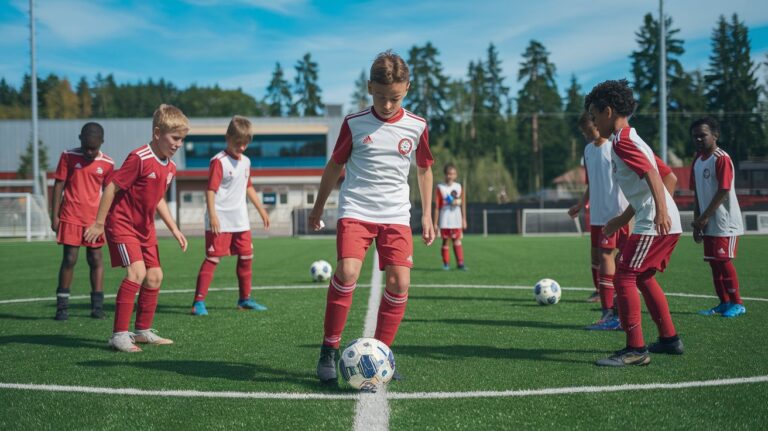
Young players benefit from simplified 1v1 soccer drills U8 and 1v1 soccer drills U10 that emphasize fun while building fundamental skills. These drills use smaller spaces, shorter durations, and game-like elements to maintain engagement. Focus areas include basic ball touches, simple direction changes, and building confidence through successful experiences. Sessions typically last 10-15 minutes with frequent rotation to maintain concentration and energy levels.
Advanced Drills for U12 and Youth Players
Older youth players can handle more complex 1v1 soccer drills U12 and soccer 1v1 drills for youth that introduce tactical elements and increased competition. These drills incorporate multiple skill combinations, decision-making scenarios, and higher intensity levels. Players begin learning advanced techniques like step-overs, cuts, and defensive positioning while developing the mental aspects of 1v1 situations including patience, timing, and reading opponents.
Creating Effective Training Sessions
Successful 1v1 soccer training sessions follow structured progressions that build skills systematically while maintaining high engagement levels. Effective sessions typically begin with individual ball work, progress through partner drills, and culminate in competitive scenarios. Training load management research from 2025 suggests optimal session lengths of 60-90 minutes with 40% dedicated to 1v1 specific work.
Modern training methodologies emphasize quality over quantity, with focused repetitions and immediate feedback producing better results than extended high-volume sessions. Coaches should incorporate video analysis, performance metrics, and individualized feedback to maximize learning outcomes and track player development progress throughout the season.
Equipment and Setup Requirements
Proper equipment setup enhances the effectiveness of soccer 1v1 drills and ensures safe training environments. Essential equipment includes cones for marking boundaries, various sized goals for different age groups, and quality soccer balls appropriate for player development levels. Many coaches now utilize 1v1 soccer drills PDF resources for quick reference and session planning, ensuring consistent delivery of high-quality training content.
Modern training facilities increasingly incorporate technology such as GPS tracking, heart rate monitors, and video analysis systems to enhance 1v1 soccer training effectiveness. However, basic setups with minimal equipment can be equally effective when drills are well-designed and properly executed by knowledgeable coaches who understand developmental principles.
Measuring Progress and Performance
Tracking player development in soccer 1v1 drills requires both quantitative and qualitative assessment methods. Key performance indicators include success rates in beating defenders, ball retention percentages, and defensive win rates. Advanced programs utilize video analysis and performance tracking software to provide detailed feedback and identify areas for improvement in individual player development.
Regular assessment ensures that 1v1 soccer training programs remain challenging and appropriate for player development levels. Successful programs conduct monthly evaluations, adjust difficulty levels based on progress, and maintain detailed records of individual player improvements throughout the training cycle to optimize long-term development outcomes.
Related video about soccer 1v1 drills
This video complements the article information with a practical visual demonstration.
What you should know
How often should players practice soccer 1v1 drills?
Players should practice soccer 1v1 drills 2-3 times per week for optimal development. Each session should include 15-20 minutes of focused 1v1 work, allowing adequate recovery time between intense training sessions while maintaining skill development momentum.
What age is appropriate to start 1v1 soccer training?
Children can begin basic 1v1 soccer drills as early as age 6-7 with simplified, fun-focused activities. Formal 1v1 training typically starts around U8 level, with progressive complexity added as players develop physically and cognitively through their youth soccer careers.
Which 1v1 soccer drills work best for beginners?
Beginners benefit most from touch and technique drills, simple 1v1 gates exercises, and cone dribbling activities. These soccer 1v1 drills for beginners focus on basic ball control, confidence building, and fundamental movement patterns before progressing to more complex competitive scenarios.
How can I find quality 1v1 soccer drills PDF resources?
Quality 1v1 soccer drills PDF resources are available through official coaching organizations like US Soccer, NSCAA, and reputable soccer training websites. Look for age-specific content, progressive difficulty levels, and resources created by certified coaches with proven track records.
What space is needed for effective 1v1 soccer drills?
Most 1v1 soccer drills require a space of 15×15 to 20×30 yards, depending on the specific drill and age group. Smaller areas work well for technical drills, while larger spaces accommodate speed and finishing elements essential for comprehensive 1v1 development.
How do 1v1 drills improve overall soccer performance?
1v1 soccer drills improve decision-making, ball control, confidence, and game intelligence. Players who master 1v1 situations show 35% better performance in match scenarios, increased goal-scoring ability, and stronger defensive capabilities according to 2025 player development studies.
| Training Aspect | Key Components | Development Benefit |
|---|---|---|
| Technical Skills | Ball control, first touch, turns | Improved possession and creativity |
| Physical Attributes | Speed, agility, balance | Enhanced athletic performance |
| Mental Development | Decision-making, confidence | Better game intelligence |
| Tactical Understanding | Positioning, timing, space | Improved match effectiveness |