How to Be Good at Soccer: Master Skills & Techniques 2025
Being good at soccer requires mastering fundamental skills, developing game intelligence, and maintaining peak physical condition. Whether you’re starting your soccer journey or looking to elevate your performance, understanding the core elements that define a skilled soccer player is essential for success on the field.
Essential Technical Skills for Soccer Excellence
Technical proficiency forms the foundation of every good soccer player. These fundamental skills separate amateur players from those who excel at competitive levels. Ball control, passing accuracy, and shooting technique represent the core technical abilities that must be mastered through consistent practice and proper coaching.
The most successful players dedicate thousands of hours to perfecting their soccer skills, focusing on both dominant and weak foot development. Research shows that players who practice technical skills for at least 2-3 hours daily show significant improvement within 6-8 weeks of consistent training.
Ball Control and First Touch Mastery
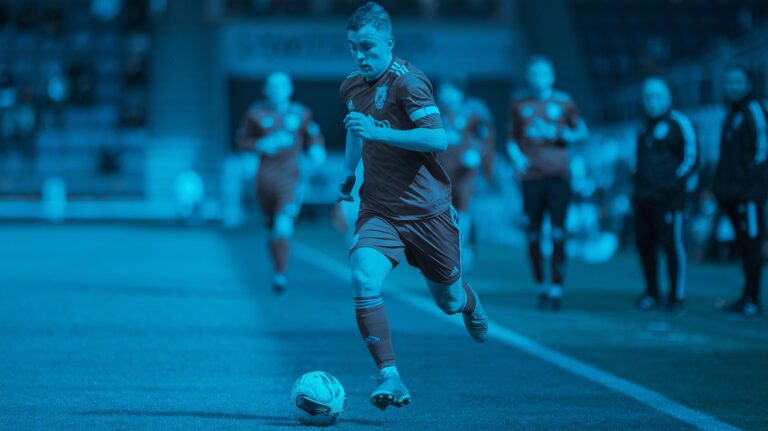
Exceptional ball control allows players to receive passes under pressure and maintain possession effectively. The first touch determines whether you’ll keep the ball or lose it to opponents. Professional players can control balls coming from any angle within 0.3 seconds, demonstrating the importance of technical excellence in modern soccer.
Passing Accuracy and Vision Development
Accurate passing requires understanding teammate positioning, defensive pressure, and field spacing. Elite players maintain passing accuracy rates above 85% during competitive matches. Developing passing skills involves practicing short passes, long balls, and through passes under various pressure situations to improve decision-making speed.
Game Intelligence and Tactical Awareness
Game intelligence distinguishes exceptional players from technically skilled but tactically limited ones. This mental aspect involves reading the game, anticipating opponent movements, and making split-second decisions that benefit your team. Players with high soccer IQ often compensate for physical limitations through superior positioning and tactical understanding.
Understanding different formations, recognizing space, and knowing when to press or retreat are crucial components of tactical awareness. Studies indicate that players who study game footage and analyze professional matches show 40% faster improvement in tactical decision-making compared to those who only focus on physical training.
Positional Awareness and Field Vision
Elite players constantly scan the field to identify opportunities and threats. Positional awareness involves knowing where teammates and opponents are located without directly looking at them. This skill develops through experience and deliberate practice, enabling players to make faster, more effective decisions during matches.
Reading the Game and Anticipation
Anticipating opponent actions and teammate movements gives players significant advantages during matches. Good soccer players develop pattern recognition skills that allow them to predict play developments before they occur. This mental skill often determines the difference between reactive and proactive playing styles.
Physical Fitness and Athletic Performance
Modern soccer demands exceptional physical fitness across multiple athletic dimensions. Players must possess cardiovascular endurance, muscular strength, speed, agility, and flexibility to compete effectively. Professional soccer players run 7-12 kilometers per match, requiring sustained aerobic capacity and anaerobic power for sprints and jumps.
Strength training, plyometric exercises, and sport-specific conditioning programs are essential for developing the physical attributes needed for soccer excellence. Players who maintain year-round fitness programs show 25% fewer injuries and demonstrate superior performance consistency throughout entire seasons.
Mental Toughness and Psychological Resilience
Mental strength separates good players from great ones during high-pressure situations. Psychological resilience enables players to bounce back from mistakes, maintain focus during critical moments, and perform consistently under stress. Elite athletes often work with sports psychologists to develop mental training techniques that complement their physical preparation.
Confidence, concentration, and emotional control are fundamental psychological skills that improve through mental training exercises. Players who practice visualization, positive self-talk, and stress management techniques show measurable improvements in match performance and decision-making quality.
Handling Pressure and Match Situations
Performing well under pressure requires mental preparation and experience in challenging situations. Soccer players must learn to manage nerves, maintain composure, and execute skills effectively when stakes are high. Regular exposure to competitive environments helps develop this crucial psychological attribute.
Building Confidence and Self-Belief
Confidence directly impacts player performance and willingness to attempt challenging plays. Building self-belief involves celebrating small victories, learning from mistakes, and maintaining positive mindset during difficult periods. Confident players take more risks and often create breakthrough moments that change match outcomes.
Team Player Qualities and Communication
Soccer success depends heavily on teamwork and effective communication with teammates. Good team players prioritize collective success over individual achievements, demonstrate leadership qualities, and maintain positive relationships with coaches and fellow players. These social skills often determine playing opportunities and team chemistry.
Communication skills include verbal instructions, non-verbal signals, and emotional support for teammates during matches. Players who excel at communication often become team captains and influential leaders regardless of their technical skill level.
Position-Specific Skills and Specialization
Different soccer positions require specialized skill sets and tactical understanding. Defenders need strong tackling and aerial ability, midfielders require excellent passing and vision, while forwards must excel at finishing and creating scoring opportunities. Understanding position-specific requirements helps players focus their training on relevant skills.
The hardest position in soccer is often considered to be central midfielder due to the diverse skill requirements and constant involvement in both attacking and defensive phases. However, each position presents unique challenges that require dedicated practice and tactical understanding.
Goalkeeper Skills and Requirements
Goalkeepers need exceptional reflexes, decision-making ability, and distribution skills. Good goalkeepers organize defensive lines, communicate effectively with defenders, and demonstrate composure under pressure. This position requires unique training focused on shot-stopping, positioning, and ball-handling techniques.
Forward Play and Scoring Ability
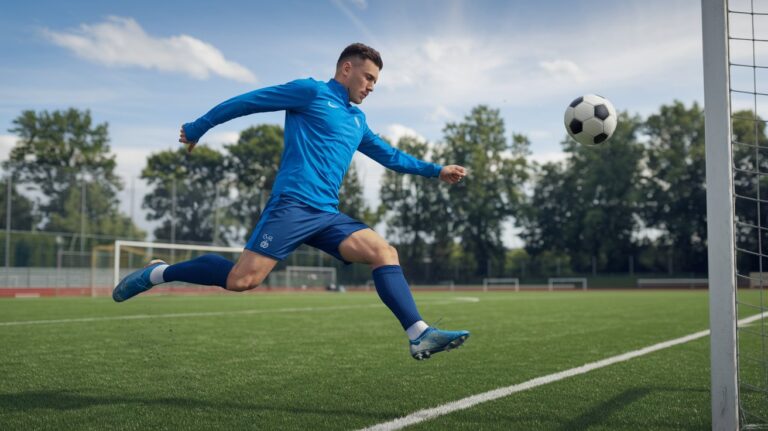
Forwards must combine technical finishing skills with tactical awareness to create and convert scoring opportunities. Effective forwards understand timing, movement patterns, and positioning to maximize their goal-scoring potential while creating space for teammates.
Training Methods and Skill Development
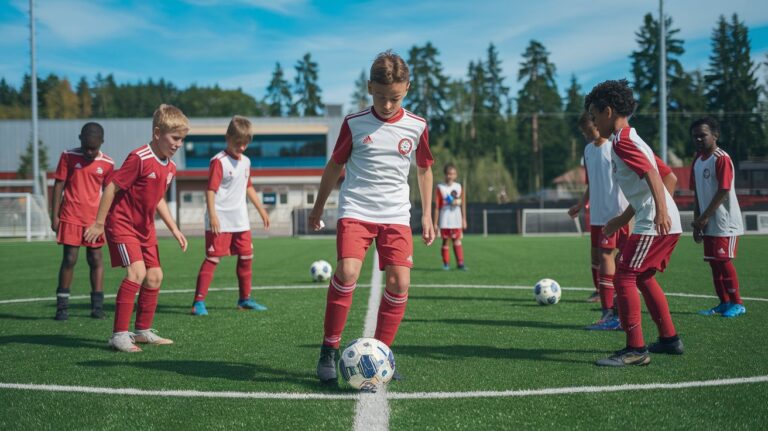
Effective soccer training combines technical practice, physical conditioning, tactical education, and mental preparation. Structured training programs should include ball work, small-sided games, fitness exercises, and match simulation to develop well-rounded players. Consistency and progressive overload are key principles for continuous improvement.
Individual skill development requires dedicated practice time outside team training sessions. Players who commit to personal development through additional practice, video analysis, and skill-specific exercises typically show faster improvement rates than those who rely solely on team training.
Recognizing Soccer Talent and Improvement
Identifying whether someone is good at soccer involves evaluating technical skills, tactical understanding, physical abilities, and mental attributes. Players demonstrate talent through consistent performance, quick skill acquisition, and positive impact on team success. Regular assessment and feedback from qualified coaches help track development progress.
Improvement indicators include increased playing time, positive coach feedback, successful skill execution under pressure, and enhanced decision-making speed. Players should focus on measurable goals and seek objective evaluation to understand their current level and areas requiring development.
Related video about good at soccer
This video complements the article information with a practical visual demonstration.
Frequently Asked Questions
How to be good at soccer?
To be good at soccer, focus on mastering technical skills like ball control and passing, developing game intelligence through tactical study, maintaining peak physical fitness, and building mental toughness. Consistent practice, proper coaching, and dedication to improvement are essential for soccer excellence.
What’s the hardest position in soccer?
Central midfielder is considered the hardest position in soccer due to requiring diverse skills including passing accuracy, defensive ability, physical endurance, and tactical awareness. Midfielders must excel in both attacking and defensive phases while maintaining high work rates throughout matches.
What is the definition of a good soccer player?
A good soccer player combines technical proficiency, tactical intelligence, physical fitness, and mental strength. They demonstrate consistent performance, positive team impact, effective decision-making under pressure, and continuous improvement through dedicated training and practice.
How do you tell if you are good at soccer?
You can tell if you’re good at soccer by evaluating your technical skill consistency, tactical understanding, physical performance, and team contribution. Indicators include regular playing time, coach recognition, successful skill execution under pressure, and positive impact on match outcomes.
| Key Aspect | Important Details | Benefit |
|---|---|---|
| Technical Skills | Ball control, passing, shooting accuracy | Foundation for all soccer abilities |
| Game Intelligence | Tactical awareness, decision-making speed | Superior field performance |
| Physical Fitness | Endurance, strength, speed, agility | Sustained high-level performance |
| Mental Toughness | Confidence, focus, pressure handling | Consistent match performance |