How to Start Soccer: Complete Beginner’s Guide 2025
Starting soccer can seem overwhelming, but with the right guidance, anyone can learn America’s fastest-growing sport. Whether you’re a parent looking to get your child involved or an adult wanting to start playing, understanding the basics of soccer is essential. This comprehensive guide covers everything from fundamental rules to finding the right team, ensuring you have all the knowledge needed to begin your soccer journey successfully.
Understanding Soccer Basics for Beginners
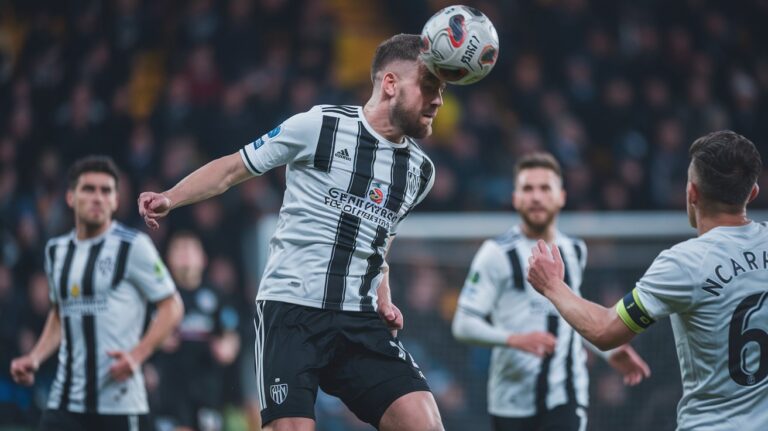
Soccer, known as football worldwide but called soccer in the United States, is played between two teams of eleven players each. The objective is simple: score more goals than your opponent by getting the ball into their goal using any part of your body except hands and arms. Only goalkeepers can use their hands, and only within their designated penalty area. Understanding these fundamental rules is crucial when learning how to start soccer.
The game consists of two 45-minute halves with a 15-minute halftime break. A referee oversees the match, enforcing rules and keeping time. Players can be substituted during the game, with teams typically allowed three to five substitutions depending on the competition level. For beginners, grasping these basic soccer concepts provides the foundation for more advanced learning and gameplay development.
Essential Soccer Equipment and Gear
Getting started in soccer requires minimal equipment, making it one of the most accessible sports. The essential items include soccer cleats, shin guards, soccer socks, shorts, and a jersey. Soccer cleats are specifically designed with studs to provide traction on grass fields, and they’re mandatory for most organized play. Shin guards protect your legs from kicks and are required in all official games and practices.
Additional equipment like a soccer ball for practice, water bottle, and athletic tape can enhance your experience. For goalkeepers, specialized gloves and padded clothing are necessary. In 2024, the average cost for basic soccer equipment in the United States ranges from $150 to $300, making it relatively affordable compared to other sports that require extensive gear.
Learning Soccer Positions and Roles
Soccer features various positions that serve different strategic purposes on the field. The main categories include defenders, midfielders, forwards, and the goalkeeper. Defenders focus on preventing the opposing team from scoring, while forwards concentrate on creating scoring opportunities. Midfielders serve as the link between defense and offense, controlling the game’s tempo and distribution.
For beginners, starting in midfield positions often provides the best learning experience as it involves both defensive and offensive responsibilities. The goalkeeper position requires specialized skills and is often considered one of the most challenging roles. Understanding these positions helps new players identify where they might fit best based on their physical attributes, skills, and preferences.
Defensive Positions Explained
Defensive positions include center-backs, full-backs, and defensive midfielders. Center-backs are typically the tallest and strongest players, responsible for aerial duels and blocking shots. Full-backs cover the sides of the field, supporting both defense and attack. Defensive roles require good positioning, communication, and the ability to read the game effectively.
Offensive Positions and Responsibilities
Forward positions include strikers, wingers, and attacking midfielders. Strikers focus primarily on scoring goals, while wingers provide width to the attack and create crossing opportunities. Attacking midfielders serve as playmakers, creating chances for forwards. Offensive positions demand speed, technical skills, and creativity to break down opposing defenses.
Best Age to Start Playing Soccer
The optimal age to start soccer varies depending on individual development and goals. Many youth programs in the United States begin accepting players as young as 4-5 years old, focusing on fun and basic motor skills rather than competitive play. Early childhood soccer programs emphasize enjoyment, social interaction, and fundamental movement patterns that benefit overall athletic development.
For serious competitive development, ages 8-12 are considered crucial for technical skill development. However, it’s never too late to start playing soccer recreationally. Adult leagues across the United States welcome players of all skill levels, and many professional players didn’t begin playing until their teenage years. The key is finding age-appropriate programs that match your skill level and goals.
Finding Soccer Teams and Clubs
Locating the right soccer team or club depends on your age, skill level, and objectives. Youth players can join recreational leagues through local parks and recreation departments, which typically cost $50-200 per season. These programs focus on participation and fun rather than high-level competition. Recreational soccer provides an excellent starting point for beginners to learn basic skills and rules.
For more competitive play, club teams offer higher-level coaching and more frequent practices and games. Club soccer fees can range from $500-3000 annually, depending on the level and location. Many clubs offer financial assistance programs to ensure accessibility. Travel teams represent the highest level of youth soccer, requiring significant time and financial commitments but providing excellent development opportunities.
Youth Soccer Organizations
Major youth soccer organizations in the United States include US Youth Soccer, AYSO (American Youth Soccer Organization), and SAY (Soccer Association for Youth). Each organization has different philosophies and structures. AYSO emphasizes equal playing time and positive coaching, while US Youth Soccer focuses more on competitive development and player advancement.
Adult Soccer Opportunities
Adult soccer options include recreational leagues, competitive amateur leagues, and over-30/over-40 divisions. Many cities have co-ed leagues that welcome beginners. Adult recreational leagues typically play once per week with minimal practice requirements, making them perfect for working professionals wanting to stay active and learn soccer fundamentals.
Essential Soccer Skills for Beginners
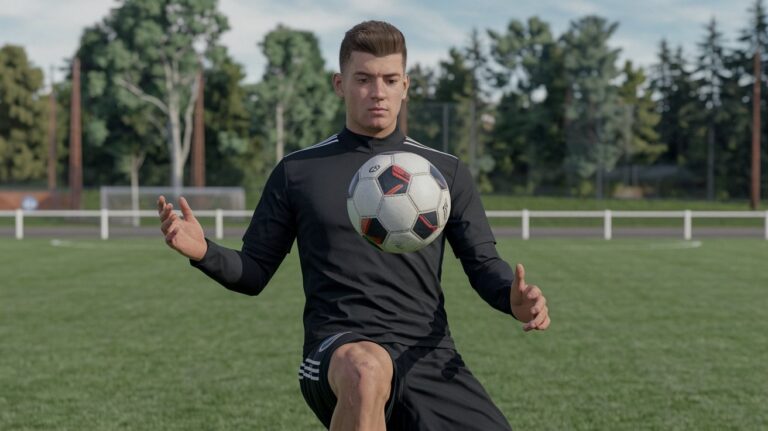
Developing fundamental soccer skills requires consistent practice and proper technique. The most important skills for beginners include dribbling, passing, shooting, and ball control. Dribbling involves moving the ball while running, using both feet to maintain possession. Start with simple touches using the inside of your foot, gradually increasing speed and complexity as comfort improves.
Passing accuracy is crucial for team play and requires understanding proper foot placement and follow-through. Practice short passes using the inside of your foot before progressing to longer passes with the outside and instep. Ball control involves receiving and controlling passes from teammates, which requires soft touches and proper body positioning to maintain possession under pressure.
Soccer Training and Practice Methods
Effective soccer training combines technical skills, physical fitness, and tactical understanding. Beginners should focus on mastering basic techniques through repetitive practice. Individual training can include juggling, wall passes, cone dribbling, and shooting practice. Dedicate at least 30 minutes three times per week to individual skill development for noticeable improvement.
Team training typically involves scrimmages, passing drills, and tactical exercises. Many successful players supplement team practice with additional individual training to accelerate their development. YouTube tutorials, soccer apps, and online coaching programs provide valuable resources for players wanting to improve outside of organized practice sessions.
Home Practice Routines
Creating effective home practice routines helps accelerate skill development. Simple exercises like juggling, wall passes, and cone weaving can be done in small spaces. Consistent daily practice for 15-20 minutes is more beneficial than longer, infrequent sessions. Focus on weak foot development by dedicating half of practice time to non-dominant foot touches.
Physical Fitness for Soccer
Soccer demands cardiovascular endurance, agility, and leg strength. Running, interval training, and plyometric exercises improve match fitness. Cardiovascular conditioning is essential as soccer players cover 5-7 miles per game. Incorporate agility ladders, cone drills, and sprint intervals to develop the quick directional changes required in soccer.
Understanding Soccer Rules and Regulations
Soccer rules, officially called Laws of the Game, govern all aspects of play. The offside rule is often most confusing for beginners: a player is offside if they’re closer to the opponent’s goal line than both the ball and the second-to-last opponent when the ball is played by a teammate. Understanding offside is crucial for players and parents watching youth games.
Other important rules include fouls and misconduct, which result in free kicks or penalty kicks depending on location and severity. Yellow cards warn players for unsporting behavior, while red cards result in immediate ejection. FIFA Laws of the Game are updated annually, with 2024 modifications including expanded concussion protocols and stricter guidelines for time-wasting behaviors.
Costs and Financial Planning for Soccer
Soccer costs vary significantly based on level of participation and geographic location. Recreational league fees typically range from $75-250 per season, including basic equipment. Club soccer expenses can reach $2000-5000 annually when including registration, coaching, travel, and tournament fees. Additional costs include private coaching, camps, and replacement equipment.
Many families find soccer more affordable than other youth sports due to lower equipment costs and longer seasons providing more value. Financial assistance programs are available through most clubs and organizations. Budgeting for soccer should include seasonal fees, equipment replacement, travel expenses, and potential additional training costs for players showing advanced interest or ability.
Related video about how to start soccer
This video complements the article information with a practical visual demonstration.
Essential Q&A about how to start soccer
What’s the best age to start soccer?
Children can begin soccer as early as 4-5 years old in introductory programs focusing on fun and basic motor skills. For serious skill development, ages 8-12 are optimal, but adults can successfully start playing soccer at any age through recreational leagues and beginner-friendly programs available nationwide.
Is 14 too late to start playing soccer?
Fourteen is definitely not too late to start soccer. Many professional players began playing in their teens. While starting earlier provides advantages, dedicated practice and proper coaching can help teenage beginners develop skills quickly and compete effectively in high school and recreational leagues.
What is the hardest position in soccer?
Goalkeeper is widely considered the hardest position in soccer due to unique skill requirements, mental pressure, and specialized training needs. Goalkeepers must excel at shot-stopping, distribution, positioning, and communication while handling the pressure of being the last line of defense against opposing attacks.
How much does it cost to start playing soccer in the US?
Starting soccer costs $150-300 for basic equipment including cleats, shin guards, and practice ball. Recreational league fees range from $75-250 per season. Club soccer is more expensive at $500-3000 annually, but financial assistance programs are available through most organizations.
What equipment do I need to start playing soccer?
Essential soccer equipment includes cleats, shin guards, soccer socks, shorts, and a jersey. A practice ball is recommended for skill development. Goalkeepers need specialized gloves and protective gear. Most recreational programs provide jerseys, reducing initial equipment costs for new players.
How can I improve soccer skills as a beginner?
Beginners should focus on fundamental skills through consistent practice. Spend 30 minutes three times weekly on basic techniques like dribbling, passing, and ball control. Join a local team or program for structured learning, and supplement with individual practice using online tutorials and training apps.
| Key Aspect | Important Details | Benefit |
|---|---|---|
| Basic Equipment | Cleats, shin guards, ball ($150-300 total) | Low barrier to entry, affordable start |
| Age Requirements | Start as young as 4-5, never too late | Accessible for all age groups |
| Practice Time | 30 minutes, 3x per week minimum | Rapid skill development and improvement |
| League Options | Recreational ($75-250) to Club ($500-3000) | Options for every skill level and budget |