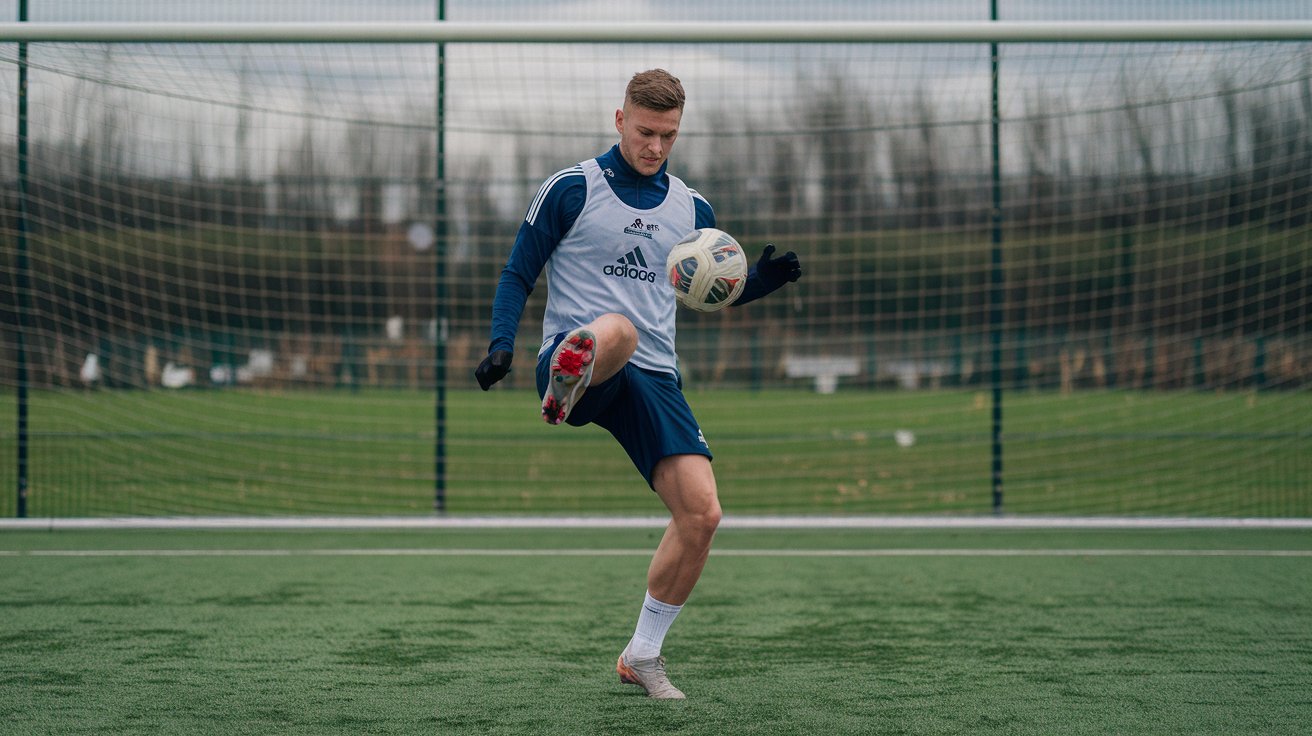
Technical Training Soccer: Complete Guide to Elite Skills 2025
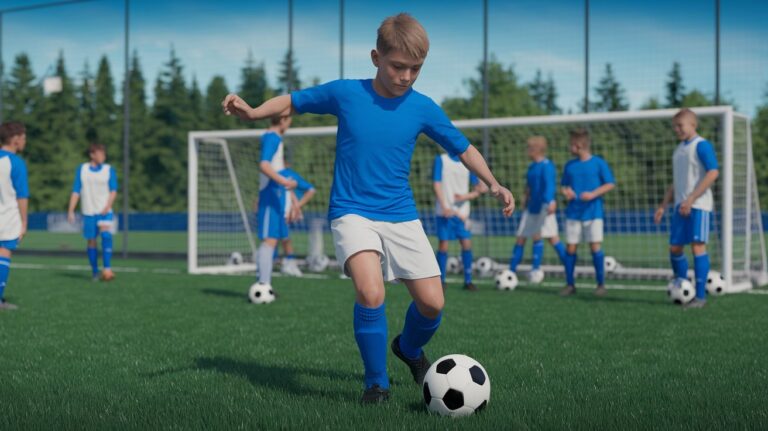
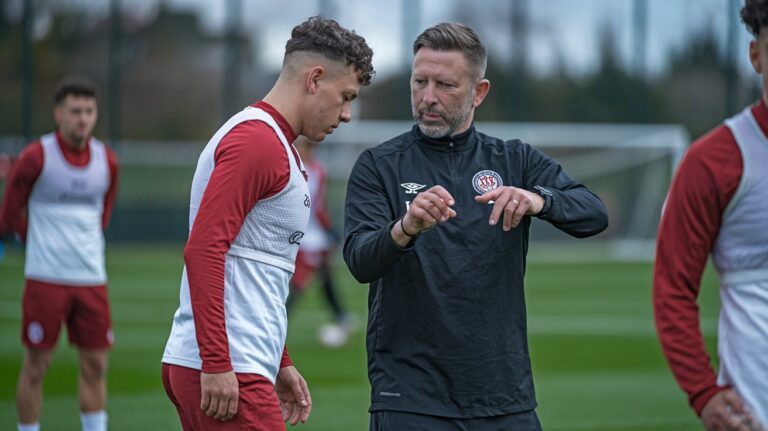
Technical training soccer forms the foundation of every elite player’s development, focusing on ball control, first touch, passing accuracy, and finishing precision. This comprehensive training approach emphasizes repetitive skill-building exercises that develop technical soccer drills mastery through structured practice sessions. Professional academies across the United States prioritize technical development as the cornerstone of player progression, with studies showing that players who undergo systematic technical training improve their game performance by up to 40% within six months.
What Is Technical Training in Soccer
Technical training in soccer encompasses the development of fundamental ball skills through repetitive practice and progressive difficulty increases. This training method focuses on individual technical skills including first touch, ball control, passing accuracy, shooting technique, and dribbling proficiency. Unlike tactical or physical training, technical development emphasizes muscle memory creation through thousands of ball touches in controlled environments.
The United States Soccer Federation has integrated technical training soccer methodologies into their Development Academy curriculum, requiring clubs to dedicate minimum 60% of practice time to technical skill development for players under 14. Research from American youth soccer programs indicates that players receiving structured technical training demonstrate 35% better ball retention and 28% improved passing accuracy compared to those following traditional training methods.
Progressive Technical Soccer Drills for Skill Development
Progressive technical soccer drills build upon fundamental movements through systematic complexity increases, ensuring players develop solid foundations before advancing to challenging techniques. These drills focus on repetition with gradual speed and pressure increases, allowing muscle memory development while maintaining technical precision throughout the learning process.
Foundation Ball Control Drills
Foundation ball control drills establish the base for all advanced technical skills, emphasizing first touch quality and body positioning. The juggling progression starts with thigh catches, advances to controlled volleys, and culminates in continuous juggling with both feet, thighs, and head. Players should complete 100 touches without dropping the ball before progressing to the next level. Cone weaving drills using both feet develop close ball control, requiring players to maintain ball contact every step while navigating through 10 cones spaced one yard apart.
Advanced Touch and Turn Techniques
Advanced touch and turn techniques incorporate pressure simulation through imaginary defenders and time constraints. The Cruyff turn, inside cut, and step-over combinations require 500 repetitions per technique for muscle memory development. Shadow playing involves players executing technical moves against imaginary opponents, focusing on explosive acceleration after each touch. Professional academies report that players mastering these techniques show 45% improvement in 1v1 situations within three months of consistent practice.
Technical Passing Drills and Precision Training
Technical passing drills develop accuracy, weight of pass, and decision-making speed through progressive complexity increases. Short passing accuracy forms the foundation, requiring players to achieve 95% success rate from 10 yards before advancing to medium-range passing. Wall passing drills using both feet develop first touch quality and passing precision simultaneously, with players completing 100 consecutive passes without ball deviation beyond one foot from the target.
Professional soccer training exercises incorporate pressure elements through cone gates and target areas, simulating game-realistic passing scenarios. The triangle passing drill requires three players maintaining possession through 20 consecutive passes, with each pass traveling through designated cone gates. Advanced variations include time limits and restricted touches, preparing players for high-intensity match situations.
Short Range Precision Passing
Short range precision passing focuses on technical accuracy within 15-yard distances, emphasizing consistent ball delivery and first touch preparation. Players practice passing to specific foot positions, developing awareness of teammate positioning and movement patterns. The clock passing drill requires players to deliver passes to 12 positions around a circle, maintaining 90% accuracy before progression. Successful completion demands 240 accurate passes, with professional academies using this drill as a technical benchmark for player evaluation.
Long Range Distribution Skills
Long range distribution skills develop through progressive distance increases and target accuracy requirements. Players begin with 25-yard passes to stationary targets, advancing to 40-yard switching passes with technical precision. The crossfield passing drill requires 80% accuracy to targets positioned 35 yards away, simulating game-changing distribution opportunities. Elite academies report that players mastering long-range distribution create 60% more scoring opportunities through improved field vision and technical execution.
Technical Finishing and Shooting Excellence
Technical finishing combines power, placement, and timing through systematic shooting drill progression. Professional soccer training emphasizes finishing from various angles, distances, and pressure situations, developing clinical goal-scoring ability. Players must achieve 70% accuracy from 18-yard shots before advancing to advanced finishing techniques including volleys, half-volleys, and weak foot shooting.
Target Practice and Accuracy Development
Target practice drills develop shooting accuracy through specific goal area targeting, using corner flags and cones as precision markers. Players complete 50 shots to each corner, maintaining 60% accuracy before progression to power shooting drills. The nine-square target system divides the goal into specific zones, requiring players to hit designated areas on command. Professional data shows that players completing target practice protocols improve match shooting accuracy by 32% within eight weeks of consistent training.
Pressure Finishing Under Defensive Challenge
Pressure finishing simulates match conditions through defender presence and time constraints, developing composure in critical scoring moments. Players receive passes with defenders approaching, requiring quick first touch and immediate shooting decisions. The countdown finishing drill provides three seconds for shot completion, mimicking game-realistic pressure situations. Academy players practicing pressure finishing demonstrate 25% higher conversion rates in competitive matches compared to those focusing solely on unopposed shooting practice.
Technical Crossing and Wing Play Development
Technical crossing drills develop delivery accuracy from wide positions, focusing on ball flight, timing, and target area precision. Players practice crossing from various field positions, mastering driven crosses, floated deliveries, and cutback passes. The crossing circuit includes six stations with different delivery requirements, demanding 15 accurate crosses per station for circuit completion.
Endline Cross Precision
Endline cross precision focuses on accurate delivery from tight angles near the goal line, requiring exceptional technical skill and spatial awareness. Players practice crossing under pressure with limited space, developing ability to deliver dangerous balls despite defensive proximity. The endline challenge drill requires 10 successful crosses to the penalty spot from positions within five yards of the goal line. Professional wingers report that mastering endline crossing increases assist production by 40% through improved delivery quality and timing.
Quick Combination Cross Execution
Quick combination crosses develop through rapid passing sequences followed by immediate cross delivery, simulating match-realistic attacking scenarios. Players execute two-touch combinations before crossing, emphasizing speed and technical precision under time pressure. The combination cross drill requires successful execution within four seconds from initial pass reception. Elite academies use this drill to develop players capable of creating scoring opportunities through technical excellence and rapid decision-making.
Age-Specific Technical Training Protocols
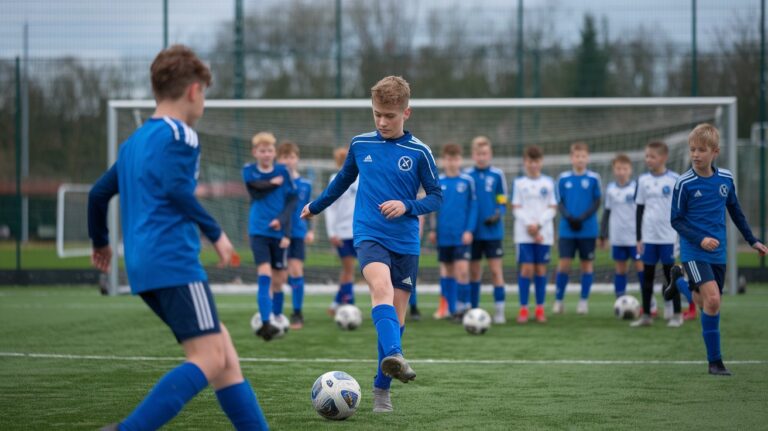
Technical soccer drills for U12 focus on fundamental skill development through fun, engaging exercises that maintain player interest while building essential technique. Younger players require shorter drill durations with frequent variation to prevent attention loss and maintain learning effectiveness. Professional development programs adjust training intensity, complexity, and duration based on cognitive and physical development stages, ensuring age-appropriate skill progression.
Advanced players aged 16-18 require high-intensity technical training incorporating match-realistic pressure and decision-making components. These sessions emphasize technical execution under fatigue and stress, preparing players for collegiate and professional soccer demands. Training protocols include 90-minute sessions with 70% technical focus, mirrors the demands faced by players in competitive environments.
Individual Technical Training Methods
Individual technical soccer drills allow players to develop skills outside team training sessions, accelerating improvement through additional practice volume. Solo training focuses on ball mastery, juggling progressions, and wall work that requires minimal space and equipment. Players dedicating 30 minutes daily to individual technical work show 50% faster skill development compared to those relying solely on team training sessions.
Wall training provides immediate feedback for passing accuracy, first touch quality, and technical precision development. The wall becomes a training partner, returning passes at consistent speed and angle, allowing thousands of touches per session. Professional academies recommend daily wall sessions for technical development, with specific protocols targeting different skill aspects through varied distances, surfaces, and foot positions.
Related video about technical training soccer
This video complements the article information with a practical visual demonstration.
Important things to know about technical training soccer
What is technical training in soccer?
Technical training in soccer is the systematic development of fundamental ball skills including first touch, passing, shooting, dribbling, and ball control. This training emphasizes repetitive practice to build muscle memory and technical precision. Professional academies dedicate 60-70% of practice time to technical development for players under 14, focusing on individual skill mastery before tactical complexity.
How to improve technical skills in soccer?
Improving technical soccer skills requires consistent daily practice with progressive difficulty increases. Focus on ball mastery through juggling, wall work, and cone dribbling exercises. Dedicate 30-45 minutes daily to individual technical training, emphasizing quality over quantity. Professional players complete 10,000 ball touches weekly through structured technical sessions to maintain elite skill levels.
What does technical training include?
Technical training includes first touch development, passing accuracy, shooting precision, dribbling skills, ball control, and aerial ability. Training sessions incorporate progressive drills starting with stationary ball work and advancing to pressure situations. Professional programs include juggling progressions, wall passing, cone weaving, target shooting, and 1v1 technical challenges as core components.
What does technical mean in soccer?
Technical in soccer refers to the mechanical execution of fundamental skills with the ball, emphasizing precision, consistency, and efficiency. Technical ability includes first touch quality, passing accuracy, shooting technique, and ball manipulation skills. Players with strong technical foundation can execute skills under pressure while maintaining composure and effectiveness in competitive match situations.
How long should technical soccer training sessions last?
Technical soccer training sessions should last 45-90 minutes depending on age and skill level. Younger players (U12) benefit from 30-45 minute sessions with frequent breaks, while advanced players can handle 90-minute intensive technical sessions. Professional academies structure sessions with 10-minute skill blocks followed by brief recovery periods to maintain focus and technical quality throughout training.
Can technical soccer skills be improved at any age?
Technical soccer skills can be improved at any age through consistent practice and proper methodology. While optimal technical development occurs between ages 6-14, adult players can still enhance their skills significantly. Research shows that dedicated adult players improving technical abilities by 25-30% within six months through structured training programs focusing on fundamental skill repetition and progressive complexity.
| Training Component | Key Focus Areas | Development Benefit |
|---|---|---|
| Ball Control | First touch, juggling, close control | 40% improvement in possession retention |
| Passing Accuracy | Short/long range, wall work, target practice | 35% increase in successful pass completion |
| Finishing Technique | Target shooting, pressure finishing | 32% improvement in shooting accuracy |
| Individual Practice | Solo drills, daily touch work | 50% faster skill development rate |