Drag Back Soccer: Master This Essential Skill in 2025
The drag back soccer technique is one of the most effective moves for changing direction and deceiving defenders on the field. This fundamental skill involves pulling the ball backward with the sole of your foot while simultaneously pivoting your body to escape pressure or create space for your next move.
What is a Drag Back in Soccer?
A drag back in soccer is a ball control technique where a player uses the sole of their foot to pull the ball backward, typically followed by a quick change of direction. This move is also known as a soccer pullback and serves as a fundamental skill for players at all levels. The technique involves stopping the ball’s forward momentum and redirecting it, often catching defenders off guard.
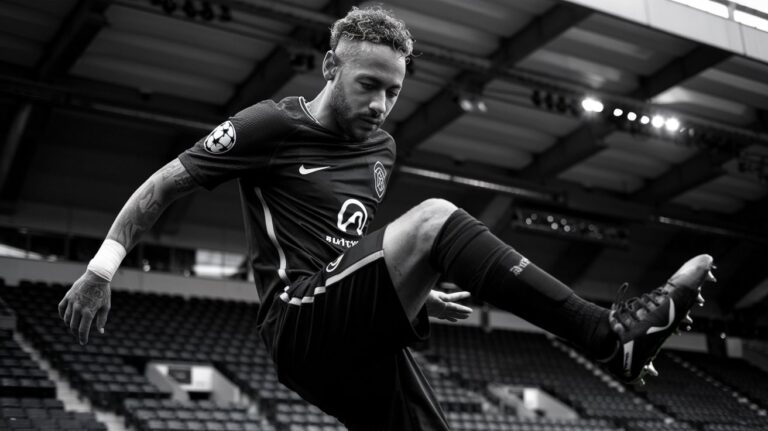
The drag back movement requires precise timing and coordination between your foot placement and body positioning. When executed properly, this skill allows players to maintain possession under pressure while creating opportunities to advance play in a different direction. Professional players like Lionel Messi and Neymar have perfected this technique, using it to navigate tight spaces and evade multiple defenders.
Drag Back vs Rollback: Understanding the Difference
While many players use the terms interchangeably, a rollback in soccer refers to a similar but slightly different technique. The drag back involves pulling the ball straight back with the sole, while a rollback typically includes a rolling motion with the foot. Both moves serve the purpose of changing direction quickly, but the drag back soccer technique offers more precise control over the ball’s positioning.
When to Use the Drag Back Technique
The drag back soccer skill is most effective when facing an approaching defender or when you need to create space in tight situations. Players commonly use this technique when receiving the ball with their back to goal, during 1v1 situations, or when trapped near the sideline. Understanding when to execute a drag back versus other moves like stepovers or cuts is crucial for game effectiveness.
Essential Drag Back Soccer Drills
Mastering drag back soccer drills requires consistent practice and progressive skill development. These drills help players develop the muscle memory and timing necessary to execute the technique under game pressure. Regular training sessions focusing on drag back movements can significantly improve a player’s ability to maintain possession and create scoring opportunities.
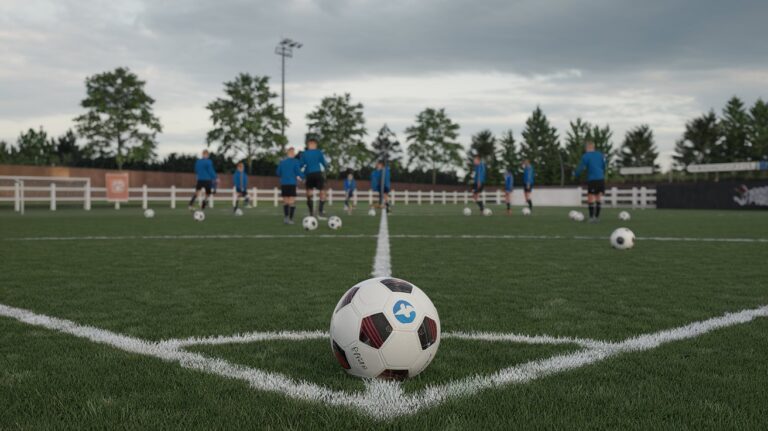
The most effective drag back soccer drills combine technical repetition with game-like scenarios. Players should practice the movement both stationary and while moving, gradually increasing the speed and pressure applied during training. Incorporating cones, defenders, and time constraints helps simulate real match conditions where the drag back technique proves most valuable.
Basic Drag Back Practice Drill
Start with the fundamental drag back soccer drill by placing a ball in front of you and practicing the pulling motion with both feet. Use the sole of your foot to drag the ball backward approximately 12-18 inches, then quickly pivot and accelerate in the opposite direction. Repeat this movement 20 times with each foot, focusing on smooth execution and maintaining balance throughout the motion.
Cone Weaving Drag Back Exercise
Set up five cones in a straight line, spaced three feet apart. Dribble toward each cone and execute a drag back just before reaching it, then change direction to approach the next cone from a different angle. This drill improves decision-making and helps players understand when to use the technique during actual gameplay situations.
Advanced Drag Back Soccer Skills
Developing advanced drag back soccer skills involves combining the basic technique with other moves to create more complex sequences. Professional players often chain drag backs with stepovers, cuts, or sudden accelerations to maximize their effectiveness against high-level defenders. These combinations require extensive practice but can dramatically improve a player’s ability to beat opponents in crucial moments.
The V drag soccer technique represents one such advanced variation, where players create a V-shaped movement pattern by combining a drag back with a sharp directional change. This move is particularly effective when executed near the penalty area, as it can create shooting opportunities or draw fouls from desperate defenders.
Drag Back Spin Technique
The drag back spin adds rotational movement to the traditional drag back, making it even more difficult for defenders to predict your next move. This technique involves dragging the ball back while simultaneously turning your body 180 degrees, effectively reversing your direction completely. Mastering this skill requires excellent balance and coordination but provides exceptional effectiveness in tight spaces.
Combining Drag Backs with Other Skills
Elite players integrate drag back soccer skills with feints, shoulder drops, and sudden pace changes to create unpredictable movement patterns. The key is practicing these combinations until they become instinctive reactions to specific defensive situations. Regular training with varying defensive pressure helps players develop the judgment needed to select the most appropriate technique for each scenario.
Drag Back in Video Games and Digital Training
Modern soccer gaming, particularly Drag Back FC 25, has incorporated realistic drag back mechanics that mirror real-world techniques. These digital representations help players understand timing and execution while providing a supplementary training tool. Many professional academies now use video game analysis alongside traditional training methods to enhance player development.
Online drag back soccer videos have become invaluable resources for players seeking to improve their technique. Platforms like YouTube and specialized soccer training apps offer slow-motion breakdowns and detailed tutorials that complement on-field practice. The combination of visual learning through videos and practical application creates a comprehensive learning approach for mastering drag back skills.
Common Mistakes in Drag Back Execution
Many players struggle with proper drag back soccer technique due to common errors that reduce effectiveness. The most frequent mistake involves dragging the ball too far backward, which gives defenders time to recover and close down space. Optimal execution requires pulling the ball just far enough to change direction while maintaining close control and quick transition speed.
Another critical error is failing to sell the initial movement convincingly. Effective drag back execution begins with commitment to the original direction, making the subsequent change more surprising to defenders. Players must also avoid telegraphing their intentions through obvious body language or predictable timing patterns that allow experienced defenders to anticipate the move.
Timing and Body Position Errors
Poor timing represents the most significant challenge in drag back soccer skills development. Players often execute the move too early or too late, reducing its effectiveness against approaching defenders. Proper timing requires reading the defender’s momentum and executing the drag back just as they commit to their defensive action, making it impossible for them to quickly change direction.
Recovery and Follow-Up Mistakes
After executing a drag back, many players fail to capitalize on the created space effectively. The move should be immediately followed by explosive acceleration in the new direction or a quick pass to maintain attacking momentum. Hesitation after the technique allows defenders to recover and nullifies the advantage gained through successful execution.
Training Progression for Drag Back Mastery
Developing effective drag back soccer abilities requires a structured progression from basic technique to game application. Beginners should focus on stationary practice, emphasizing proper foot positioning and ball control before adding movement elements. This foundation ensures clean execution under pressure and builds confidence in the technique’s reliability during matches.
Intermediate players can incorporate defensive pressure and time constraints into their drag back soccer drills, simulating realistic game scenarios. Advanced training involves combining multiple techniques and decision-making elements that reflect the complexity of actual match situations where quick thinking and precise execution determine success.
Related video about drag back soccer
This video complements the article information with a practical visual demonstration.
Your questions answered
What is a drag back in soccer?
A drag back in soccer is a fundamental ball control technique where a player uses the sole of their foot to pull the ball backward, typically followed by a quick change of direction. This move helps players escape defensive pressure, create space, and maintain possession while deceiving opponents about their intended direction.
What is a soccer pullback?
A soccer pullback is another term for the drag back technique, involving pulling the ball backward with the sole of the foot. This skill allows players to quickly change direction and evade defenders, making it an essential move for maintaining possession and creating attacking opportunities during gameplay.
What does drag back mean?
Drag back means to pull something backward, and in soccer context, it refers to the specific technique of using the sole of your foot to pull the ball backward while pivoting your body to change direction. This movement creates space and time for players to make their next decision on the field.
What is a rollback in soccer?
A rollback in soccer is similar to a drag back but involves a rolling motion with the foot rather than a straight pulling action. While both techniques serve to change direction and evade defenders, the rollback typically includes more rotational movement of the ball, offering slightly different tactical applications.
How do you practice drag back soccer drills effectively?
Effective drag back practice involves starting with stationary repetitions using both feet, then progressing to moving drills with cones and defensive pressure. Focus on proper sole-of-foot contact, quick directional changes, and maintaining balance throughout the movement. Consistent daily practice of 15-20 minutes significantly improves technique and game application.
When should you use the drag back technique in games?
Use the drag back technique when facing an approaching defender, when trapped near sidelines, or when receiving the ball with your back to goal. The move is most effective in tight spaces where quick direction changes can create separation from defenders and open up passing lanes or shooting opportunities.
| Drag Back Aspect | Key Details | Player Benefit |
|---|---|---|
| Basic Technique | Sole of foot pulls ball backward 12-18 inches | Quick direction change and space creation |
| Training Frequency | Daily practice sessions 15-20 minutes | Muscle memory and improved execution |
| Game Application | 1v1 situations and tight spaces | Beats defenders and maintains possession |
| Advanced Variations | V-drag and drag back spin techniques | Unpredictable movement patterns |