Learning to Play Soccer: Complete Beginner’s Guide 2025
Learning to play soccer opens the door to the world’s most popular sport, with over 250 million active players in the United States as of 2024. Whether you’re an adult beginner or starting your child’s soccer journey, understanding the fundamentals is crucial for developing proper technique and enjoying this beautiful game. This comprehensive guide covers everything from basic rules to advanced training techniques.
Soccer Basics Every Beginner Should Know
Understanding soccer basics forms the foundation of your journey in learning to play soccer. Soccer, also known as football worldwide, involves two teams of eleven players competing to score goals by getting the ball into the opponent’s goal using any part of their body except hands and arms. The game consists of two 45-minute halves with a 15-minute halftime break, though referees can add stoppage time for delays during play.
The fundamental objective is simple: score more goals than your opponent while following the established rules. Players must demonstrate ball control, passing accuracy, and strategic thinking throughout the match. Modern soccer emphasizes both individual skill development and team coordination, making it essential for beginners to focus on both personal technique and understanding team dynamics from the start of their soccer education.
Essential Equipment for Learning Soccer
Starting your soccer training requires minimal but important equipment. Soccer cleats provide necessary traction on grass fields, while shin guards protect your legs during practice and games. A size 5 soccer ball is standard for players over 12 years old, though younger players should use size 3 or 4 balls. Comfortable athletic clothing that allows free movement completes the basic equipment list for effective soccer learning.
Understanding Soccer Time and Scoring
Soccer matches follow a unique timing system where the clock runs continuously, unlike many American sports. The referee keeps the official time and adds stoppage time at the end of each half to compensate for delays. Goals are scored when the entire ball crosses the goal line between the goalposts and under the crossbar. Understanding these timing and scoring fundamentals helps beginners follow game flow and appreciate strategic decisions during matches.
The Soccer Field Layout and Dimensions
A regulation soccer field measures between 100-130 yards long and 50-100 yards wide, with specific markings that define play areas and rules. The penalty area, commonly called the 18-yard box, extends 18 yards from each goal line and determines where goalkeepers can use their hands. The goal area, or 6-yard box, marks where goal kicks are taken and provides additional protection for goalkeepers during play.
Key field markings include the center circle for kickoffs, corner arcs for corner kicks, and the penalty spot located 12 yards from each goal. Understanding these field dimensions helps beginners position themselves correctly and comprehend referee decisions. The sidelines and goal lines define the boundaries of play, with the ball needing to completely cross these lines for the play to be considered out of bounds.
Soccer Positions and Player Roles
Learning to play soccer effectively requires understanding the eleven player positions and their specific responsibilities on the field. The goalkeeper protects the goal and is the only player allowed to use hands within the penalty area. Defenders, typically numbering four in modern formations, focus on preventing the opposing team from scoring while supporting offensive attacks when possible.
Midfielders serve as the connection between defense and attack, controlling the game’s tempo and distributing the ball effectively. Forward players or strikers concentrate on scoring goals and creating attacking opportunities. Modern soccer emphasizes position flexibility, with players expected to contribute to both defensive and offensive phases regardless of their primary position, making it important for beginners to develop well-rounded skills.
Defensive Positions Explained
Defensive positions include center-backs who protect the central areas and full-backs who cover the flanks while supporting attacks. Center-backs must excel at heading, tackling, and reading the game to anticipate opposing team movements. Full-backs require speed and endurance to cover large areas of the field while maintaining defensive discipline when the team loses possession of the ball.
Midfield and Attacking Roles
Midfield positions vary from defensive midfielders who break up opposing attacks to attacking midfielders who create scoring opportunities. Central midfielders control game flow through passing and positioning, while wing midfielders provide width and crossing opportunities. Strikers and wingers focus on goal-scoring, requiring excellent finishing skills and the ability to create space in tight defensive situations.
How Should a Beginner Train for Soccer
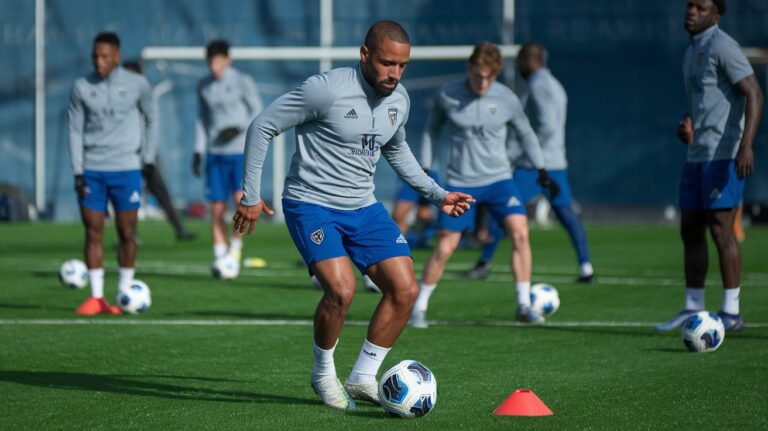
Effective soccer training for beginners should focus on developing fundamental skills through structured practice sessions. Start with basic ball control exercises, spending at least 30 minutes daily practicing touches, juggling, and simple dribbling movements. Progressive training builds muscle memory and confidence, essential components for long-term soccer development and enjoyment of the sport.
Physical fitness training should complement technical skill development, emphasizing cardiovascular endurance, agility, and strength. Beginner training programs should include running, sprint intervals, and flexibility exercises to prepare the body for soccer’s demanding physical requirements. Joining local soccer clubs or adult beginner leagues provides structured learning environments with qualified coaches and regular practice schedules.
Daily Practice Routines for New Players
Establish a daily practice routine focusing on ball touches, short passing against a wall, and basic shooting techniques. Dedicate 20 minutes to juggling practice, gradually increasing consecutive touches as coordination improves. Include light jogging and stretching to build endurance and prevent injuries during more intensive training sessions or games.
Finding Training Partners and Groups
Locate adult soccer groups through community centers, local parks and recreation departments, or online platforms like Meetup. Training with others accelerates learning through game-like situations and provides motivation for consistent practice. Many areas offer beginner-friendly pickup games and instructional clinics specifically designed for adults learning to play soccer.
What’s the Best Age to Start Soccer
While professional players often begin in early childhood, there’s no age limit for learning to play soccer effectively. Children can start organized soccer programs as early as age 4-5, developing basic motor skills and game understanding through fun-focused activities. However, adults of any age can successfully learn soccer fundamentals and enjoy competitive play through proper training and dedication.
Adult beginners actually possess advantages including better focus, understanding of instructions, and ability to analyze tactical concepts. Starting soccer as an adult allows for faster comprehension of complex strategies while building physical fitness and social connections. The key is choosing age-appropriate training methods and setting realistic expectations for skill development timelines.
Essential Soccer Rules for Beginners
Understanding basic soccer rules enables beginners to participate confidently in games and training sessions. The offside rule prevents players from gaining unfair advantages by positioning themselves ahead of defenders when teammates play the ball forward. Fouls result in either direct kicks, indirect kicks, or throw-ins depending on the infraction type and location on the field.
Yellow and red cards enforce discipline, with yellow cards serving as warnings and red cards resulting in ejection from the game. Common rule violations include handball (except for goalkeepers in their penalty area), dangerous play, and unsporting behavior. Learning these fundamental rules helps beginners avoid penalties while understanding referee decisions during matches.
Offside Rule Simplified
The offside rule prevents attacking players from camping near the opponent’s goal. A player is offside when they’re ahead of the last defender (except the goalkeeper) when their teammate plays the ball forward. However, players cannot be offside from throw-ins, corner kicks, or goal kicks, and they must be actively involved in play for the rule to apply.
Fouls and Card System
Referees issue yellow cards for cautionable offenses like unsporting behavior, dissent, or persistent fouling. Red cards result in immediate ejection and apply to serious foul play, violent conduct, or receiving two yellow cards. Understanding these disciplinary measures helps beginners maintain fair play while avoiding situations that negatively impact their team’s performance.
Learning Soccer Skills and Techniques
Developing fundamental soccer skills requires consistent practice and proper technique instruction from the beginning. Ball control forms the foundation of all soccer abilities, involving first touch, trapping, and maintaining possession under pressure. Passing accuracy and timing enable team play, while shooting technique determines goal-scoring effectiveness during games and practice sessions.
Dribbling skills allow players to advance the ball past opponents through close control and change of direction. Heading technique becomes important for defending and attacking set pieces like corner kicks and free kicks. Building these technical skills progressively ensures steady improvement while reducing injury risk through proper form and gradual intensity increases.
Soccer Clubs and Training Opportunities
Joining established soccer clubs provides structured learning environments with qualified coaches and regular competition opportunities. Adult recreational leagues offer various skill levels from complete beginners to experienced players returning to the sport. Many clubs provide equipment, practice facilities, and social activities that enhance the overall soccer learning experience.
Community programs through parks and recreation departments often offer affordable beginner soccer classes with professional instruction. College and university programs may include community education courses for adult learners interested in soccer fundamentals. These organized opportunities accelerate skill development while providing social connections with other soccer enthusiasts in your local area.
Related video about learning to play soccer
This video complements the article information with a practical visual demonstration.
Most asked questions about learning to play soccer
How should a beginner train for soccer?
Beginners should focus on daily ball control practice for 30 minutes, basic passing against walls, and light jogging for fitness. Join local adult beginner groups for structured training and game experience. Start with fundamental skills like first touch, shooting, and simple dribbling movements before progressing to advanced techniques.
What’s the best age to start learning soccer?
Children can start organized soccer around age 4-5, but adults of any age can successfully learn soccer. Adult beginners often progress faster due to better focus and instruction comprehension. The key is choosing age-appropriate training methods and setting realistic expectations for skill development timelines.
What are the basic rules beginners need to know?
Essential rules include the offside rule, handball restrictions (except goalkeepers in penalty areas), and understanding fouls that result in free kicks. Yellow cards warn players while red cards mean ejection. Games consist of two 45-minute halves with continuous running time and referee-added stoppage time.
How do you find adult soccer training near you?
Check community centers, parks and recreation departments, and online platforms like Meetup for adult beginner soccer groups. Many areas offer recreational leagues, pickup games, and instructional clinics designed for adults learning soccer. Local colleges may also provide community education soccer courses.
What equipment do you need to start playing soccer?
Essential equipment includes soccer cleats for traction, shin guards for protection, and a size 5 soccer ball for adults. Comfortable athletic clothing that allows free movement completes the basic requirements. Advanced equipment can be added as skills develop and commitment increases.
How long does it take to learn basic soccer skills?
Basic ball control and passing skills typically develop within 2-3 months of consistent practice. Game understanding and positioning awareness may take 6-12 months depending on training frequency and instruction quality. Adult beginners often show significant improvement within their first season of organized play.
| Learning Aspect | Key Requirements | Expected Timeline |
|---|---|---|
| Basic Ball Control | Daily 30-minute practice, proper first touch | 2-3 months |
| Game Rules Understanding | Study offside, fouls, field dimensions | 1-2 months |
| Physical Fitness | Cardiovascular training, agility work | 3-6 months |
| Team Play Skills | Regular practice with others, positioning | 6-12 months |