Technical Skills in Football: Master the 10 Fundamental Skills
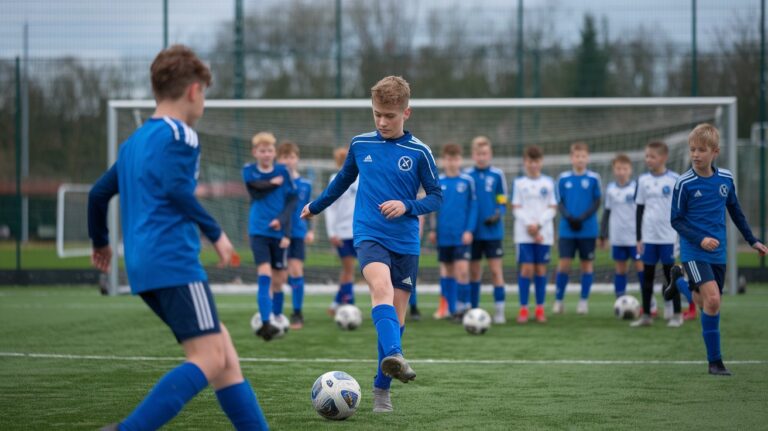
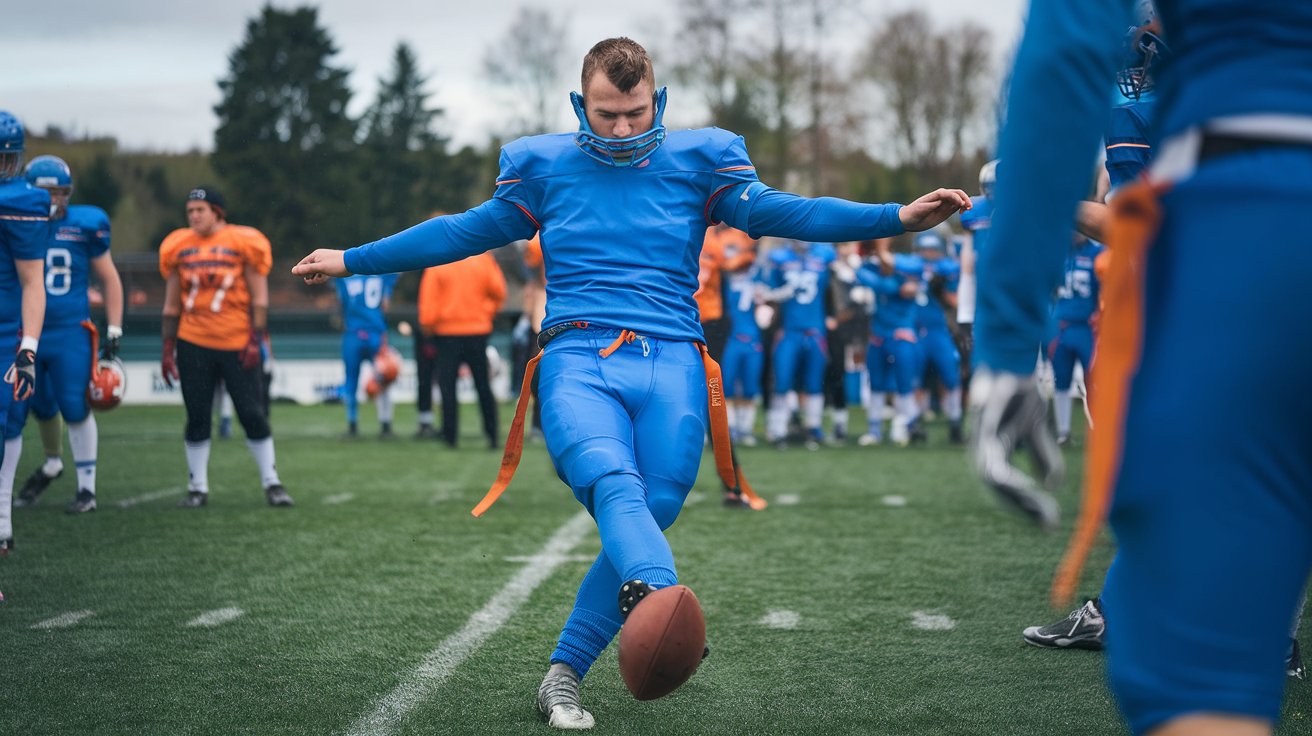
Technical skills in football form the foundation of every successful player’s development. These fundamental technical abilities include ball control, passing, shooting, and dribbling that distinguish elite players from beginners. In American football training programs, mastering these basic technical skills is essential for players at all levels, from youth leagues to professional development.
What Are Technical Skills in Football
Technical skills in football represent the fundamental abilities a player must master to manipulate the ball effectively during gameplay. These skills encompass ball control, passing accuracy, shooting precision, and defensive techniques that determine a player’s overall performance level. According to 2024 US Soccer coaching standards, technical proficiency accounts for approximately 40% of player evaluation criteria.
The development of technical skills requires consistent practice and proper instruction from certified coaches. American football academies now emphasize technical training from ages 6-8, recognizing that early development creates stronger foundational abilities. Professional analysis shows that players with superior technical skills in football maintain possession 25% more effectively than those with limited technical training.
The 10 Fundamental Skills of Football
Every football player must master ten fundamental skills that form the core of technical development. These essential abilities include ball control, passing, shooting, dribbling, heading, tackling, goalkeeping, crossing, volleying, and positioning. US Soccer’s 2024 development curriculum emphasizes these 10 fundamental skills as mandatory competencies for player advancement.
Ball Control and First Touch
Ball control represents the most crucial technical skill in football, involving the ability to receive and maintain possession under pressure. Professional players demonstrate first-touch efficiency rates exceeding 85%, while amateur players typically achieve 60-70% success rates. Effective ball control techniques include cushioning with various body parts, trapping with feet, chest, and thigh, and maintaining balance during reception.
Passing Accuracy and Vision
Passing accuracy distinguishes exceptional players from average performers, requiring precise weight, timing, and direction. Elite players maintain passing accuracy rates above 90% in competitive matches, while developing players typically achieve 75-80% success rates. Modern training emphasizes short passing combinations, long-range distribution, and through-ball timing as essential fundamental skills for field vision development.
Essential Shooting and Finishing Techniques
Shooting represents the ultimate technical skill for goal conversion, requiring precision, power, and composure under pressure. Professional strikers convert approximately 15-20% of their shooting opportunities, while amateur players typically achieve 8-12% conversion rates. Shooting techniques include placement shots, power shots, volleys, headers, and one-touch finishes that maximize scoring potential.
Effective finishing requires mastering various technical skills including body positioning, follow-through, and target selection. American youth development programs now emphasize shooting accuracy over power, with players practicing precision targeting from multiple angles and distances. Statistical analysis shows that players who practice shooting techniques for 30 minutes daily improve conversion rates by 35% within six months.
Dribbling and Ball Manipulation Skills
Dribbling involves close ball control while moving, enabling players to navigate tight spaces and beat opponents in one-on-one situations. Successful dribblers complete 60-70% of their attempts in professional matches, demonstrating superior technical skills in ball manipulation and body movement. Dribbling techniques include step-overs, cuts, feints, and changes of pace that create separation from defenders.
Close Control Techniques
Close control requires maintaining ball possession within touching distance while moving at various speeds. Players develop close control skills through cone dribbling, small-sided games, and pressure training exercises. Elite players can maintain ball control while running at speeds exceeding 15 mph, demonstrating exceptional technical proficiency in ball manipulation.
Change of Direction and Pace
Effective dribbling combines sudden direction changes with pace variation to unbalance defenders. Technical skills in change of direction include the Cruyff turn, step-over, and shoulder drop that create space for advancement. Professional analysis indicates that players who master pace variation complete 40% more successful dribbles than those relying solely on speed.
Defensive Technical Skills
Defensive technical skills include tackling, interception, marking, and positioning that prevent opponent scoring opportunities. Modern defenders must demonstrate 75% tackle success rates while maintaining proper positioning throughout matches. Defensive techniques emphasize timing, body positioning, and ball-winning abilities rather than aggressive physical challenges.
Contemporary defensive training focuses on technical skills that minimize fouling while maximizing ball recovery. American coaching certification programs teach slide tackling, standing tackles, and interception techniques as fundamental defensive abilities. Players who master defensive technical skills contribute to team success by preventing 60% more scoring opportunities than poorly trained defenders.
Heading and Aerial Ability
Heading represents a specialized technical skill requiring proper timing, positioning, and contact technique for both offensive and defensive situations. Professional players win approximately 55-60% of aerial duels, demonstrating superior heading technique and positioning abilities. Heading skills include defensive clearances, offensive finishing, and midfield duels that influence match outcomes significantly.
Offensive Heading Techniques
Offensive heading focuses on directing the ball toward goal areas with power and precision. Players must master technical skills including approach timing, jump mechanics, and contact point selection for effective goal-scoring headers. Training data shows that players practicing heading techniques for 20 minutes daily improve aerial goal conversion by 45% over three months.
Defensive Heading and Clearances
Defensive heading emphasizes distance and height to clear danger from goal areas effectively. Technical skills in defensive heading include positioning, jump timing, and ball direction control that prevent scoring opportunities. Professional defenders clear 80% of aerial challenges successfully, demonstrating superior heading technique and spatial awareness.
Goalkeeping Technical Skills
Goalkeeping requires specialized technical skills including shot-stopping, distribution, positioning, and communication that differ significantly from field player abilities. Professional goalkeepers maintain save percentages between 65-75%, demonstrating exceptional technical proficiency in various situations. Goalkeeping techniques include diving saves, catch and hold, punching, and quick distribution that influence team performance.
Modern goalkeeper training emphasizes technical skills development in both shot-stopping and ball distribution. American goalkeeper academies focus on footwork, hand positioning, and decision-making as fundamental technical competencies. Statistical analysis reveals that goalkeepers with superior technical skills contribute to 30% fewer goals conceded compared to technically limited keepers.
Crossing and Wing Play Techniques
Crossing involves delivering accurate balls from wide positions into dangerous goal-scoring areas. Effective crossers complete 35-40% of their crossing attempts in professional matches, demonstrating superior technical skills in ball delivery and timing. Crossing techniques include early crosses, cut-back passes, and driven balls that create scoring opportunities for teammates.
Developing Technical Skills Through Training
Technical skill development requires structured training programs that emphasize repetition, progression, and match-realistic scenarios. American youth development programs allocate 60% of training time to technical skills practice, recognizing the importance of foundational ability development. Technical training methods include small-sided games, skill circuits, and pressure exercises that simulate match conditions.
Effective technical skills development follows progressive training principles that gradually increase complexity and pressure. Research indicates that players training technical skills for 90 minutes three times weekly show 50% greater improvement than those practicing twice weekly. Modern training technology including video analysis and performance tracking enhances technical skill development by providing immediate feedback and measurable progress indicators.
Related video about technical skills in football
This video complements the article information with a practical visual demonstration.
Essential Q&A about technical skills in football
What are the 5 most important technical skills in football?
The five most important technical skills in football are ball control, passing accuracy, shooting precision, dribbling ability, and defensive tackling. These fundamental skills form the foundation of every player’s development and determine overall performance effectiveness on the field.
How long does it take to master basic technical skills in football?
Mastering basic technical skills typically requires 2-3 years of consistent training for youth players and 1-2 years for older beginners. Professional development suggests practicing technical skills for 60-90 minutes daily to achieve significant improvement within 6-12 months of dedicated training.
What is an example of a technical skill in football?
A prime example of a technical skill in football is the first touch, which involves controlling and positioning the ball immediately upon reception. This skill requires precise timing, body positioning, and ball manipulation to maintain possession under pressure from opponents.
Are technical skills more important than physical fitness in football?
Both technical skills and physical fitness are essential, but technical abilities often determine player effectiveness more than pure athleticism. Studies show that players with superior technical skills maintain 40% better ball possession and create 30% more scoring opportunities regardless of physical attributes.
How can I improve my technical skills in football quickly?
Rapid improvement in technical skills requires daily practice focusing on ball control, passing accuracy, and shooting precision. Dedicate 30-45 minutes daily to skill-specific drills, participate in small-sided games, and seek feedback from qualified coaches to accelerate technical development.
What technical skills do professional football players focus on most?
Professional players prioritize technical skills including first touch accuracy, passing under pressure, shooting from various angles, and position-specific techniques. Elite players spend 40% of training time maintaining and refining fundamental technical abilities to stay competitive at the highest level.
| Technical Skill | Key Components | Performance Benefit |
|---|---|---|
| Ball Control | First touch, cushioning, balance | 85% possession retention |
| Passing Accuracy | Weight, timing, vision | 90% completion rate |
| Shooting Precision | Placement, power, composure | 20% conversion rate |
| Dribbling | Close control, pace change | 70% success rate |
| Defensive Tackling | Timing, positioning, technique | 75% tackle success |