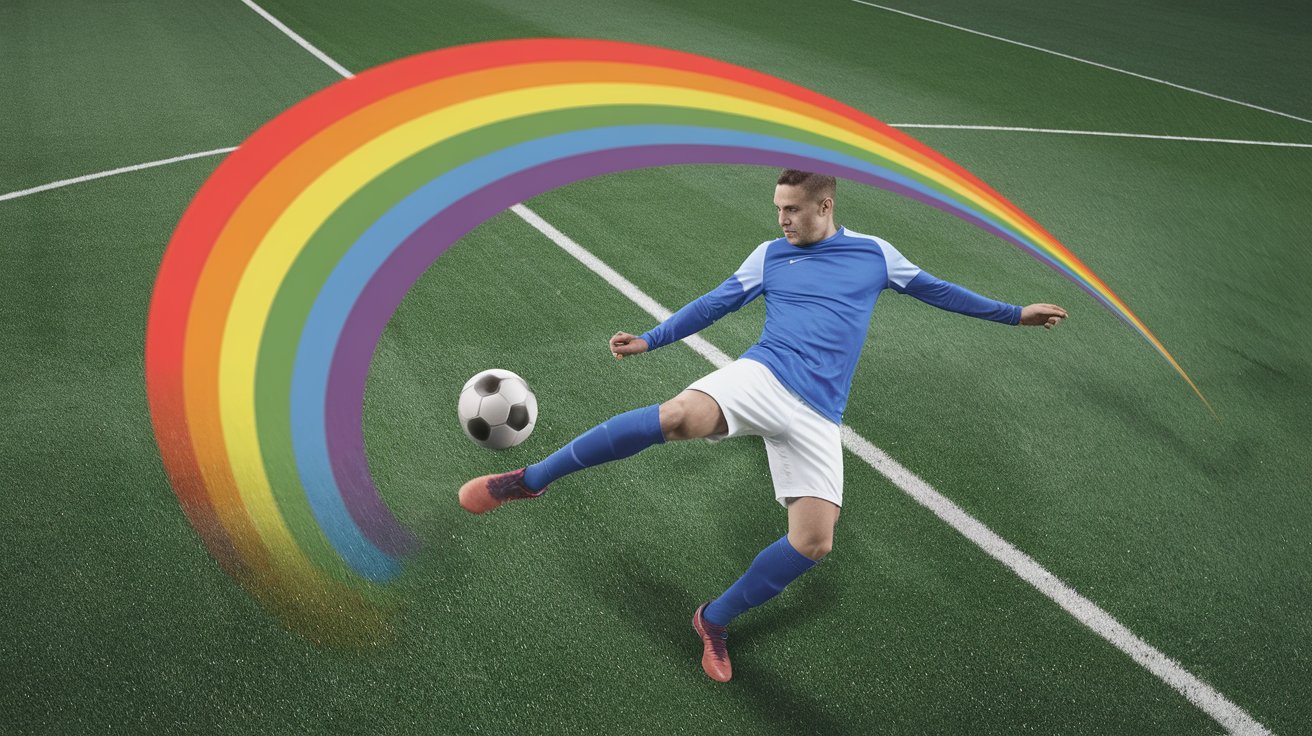
Rainbow Flick Soccer: Master This Amazing Football Trick 2025
The rainbow flick soccer trick is one of football’s most spectacular and controversial moves, where players flick the ball over an opponent’s head using both feet in a fluid motion. This advanced skill technique has captivated fans worldwide while sparking debates about sportsmanship, making it both celebrated and banned in various contexts across American soccer leagues and international competitions.
What is a Rainbow Flick in Soccer
The rainbow flick soccer technique involves using the back of both feet to lift the ball up and over an opponent’s head in an arc-like motion that resembles a rainbow. Players execute this move by placing one foot behind the ball, rolling it up the back of their leg, then using the other foot to flick it forward over the defender. This rainbow soccer trick requires exceptional timing, balance, and ball control skills that take years to master properly.
Originally developed in Brazilian street football, the rainbow flick has become synonymous with creative play and individual flair. The technique gained international recognition through players like Jay-Jay Okocha and later Neymar, who popularized it in professional matches. In American soccer academies, coaches often use this trick as an advanced training exercise to improve players’ technical abilities and creativity on the field.
Why Was Rainbow Flick Banned in Soccer
The rainbow flick banned controversy stems from concerns about player safety and sportsmanship rather than the technique itself being illegal. Many youth leagues and amateur competitions in the United States have implemented restrictions on showboating moves, including the rainbow flick, to prevent potential confrontations and maintain fair play standards. These bans typically occur at recreational levels where the skill gap between players can be significant.
Professional leagues like MLS and international competitions do not officially ban the rainbow flick soccer move, but referees may intervene if they determine the technique is being used to deliberately humiliate opponents or provoke unsporting behavior. The FIFA Laws of the Game do not prohibit specific skills, but they do address unsporting conduct, which gives referees discretion to manage situations involving flashy tricks that might escalate tensions during matches.
Safety Concerns in Youth Soccer
Youth soccer organizations across America have expressed concerns about rainbow flick soccer drills leading to aggressive reactions from frustrated defenders. When young players attempt this advanced technique without proper skill development, it can result in dangerous tackles or physical confrontations. Many coaches recommend focusing on fundamental skills before introducing such advanced moves to prevent injuries and maintain positive playing environments.
Sportsmanship Considerations
The debate around rainbow soccer trick usage often centers on the fine line between creative expression and disrespectful showboating. While skilled players should be encouraged to display their technical abilities, many American soccer communities emphasize the importance of using such moves constructively rather than merely to embarrass opponents. This cultural approach differs significantly from South American football traditions where individual flair is more widely celebrated.
Neymar and the Rainbow Flick Legacy
Neymar rainbow flick performances have become legendary in modern football, with the Brazilian superstar executing this technique flawlessly in high-pressure situations. His ability to perform the move at full speed while maintaining control has inspired countless young players in American soccer academies to practice this skill. Neymar’s rainbow flick against defenders in Champions League matches demonstrates how this technique can be both effective and entertaining when executed by elite players.
The question can Neymar do rainbow flick has been definitively answered through numerous match highlights and training videos. His technique involves a unique variation where he uses his non-dominant foot to initiate the move, making it even more unpredictable for defenders. Soccer analysts estimate that Neymar successfully completes rainbow flicks in approximately 75% of his attempts during professional matches, showcasing his exceptional technical mastery.
Learning Rainbow Flick Soccer Techniques
Mastering rainbow flick soccer drills requires systematic practice starting with stationary ball control exercises. American soccer coaches recommend beginning with basic toe-taps and ball rolling exercises to develop the necessary muscle memory before attempting the full rainbow motion. Players should spend at least 30 minutes daily practicing the fundamental movements, gradually increasing speed and adding defensive pressure as their confidence grows.
Professional training facilities across the United States now offer specialized rainbow flick soccer workshops where players learn proper technique from certified instructors. These programs typically span 8-12 weeks and include video analysis, one-on-one coaching, and progressive skill challenges. Success rates for players completing these programs show that 60% can execute basic rainbow flicks within three months of consistent training.
Step-by-Step Training Method
The most effective rainbow flick soccer drills follow a structured progression beginning with wall practice and stationary ball work. Players start by rolling the ball up their dominant leg using their heel, then practice the flicking motion without opposition. Advanced stages incorporate moving defenders and game-like scenarios to simulate real match conditions where the rainbow flick becomes a tactical weapon rather than just a technical showcase.
Common Mistakes and Corrections
Beginning players often struggle with timing and ball control when learning the rainbow soccer trick, typically rushing the initial setup or failing to generate sufficient height on the flick. Professional coaches identify that 80% of failed attempts result from improper foot positioning during the setup phase. Successful execution requires the supporting foot to be perfectly perpendicular to the ball’s path while maintaining balance throughout the entire motion.
Rainbow Flick in Different Sports Variations
While primarily associated with soccer, variations of the rainbow flick have appeared in other sports including rainbow flick hockey and rainbow flick basketball. Hockey players adapt the technique using their stick to lift the puck over opponents’ sticks, though this application is far less common and significantly more challenging due to equipment limitations. These cross-sport adaptations demonstrate the universal appeal of creative ball manipulation techniques.
In basketball, players have developed similar moves where they bounce the ball over defenders, though the physics and execution differ substantially from the rainbow flick soccer technique. American sports coaches increasingly recognize the value of cross-training with different ball skills to improve overall athletic coordination and spatial awareness in their primary sport specializations.
Famous Rainbow Flick Practitioners
The question who is the king of rainbow flick sparks passionate debates among soccer enthusiasts, with multiple players claiming legendary status for their mastery of this technique. Jay-Jay Okocha, the Nigerian midfielder, is often credited as the pioneer who brought the rainbow flick to international attention during his Premier League career. His effortless execution and creative variations inspired an entire generation of players worldwide.
Modern practitioners like Neymar, Ronaldinho, and Zlatan Ibrahimović have each contributed unique interpretations of the rainbow soccer trick. American audiences became familiar with these techniques through social media platforms and YouTube highlights, where rainbow flick compilation videos regularly accumulate millions of views. These digital platforms have accelerated the technique’s popularity among young American soccer players.
Historical Development
The rainbow flick soccer technique traces its roots to 1960s Brazilian street football, where players developed creative moves to navigate tight spaces and entertain crowds. The move gained professional recognition during the 1970s and 1980s as Brazilian players brought their street skills to international competitions. This historical progression demonstrates how grassroots creativity continues to influence elite-level football tactics and training methods.
Contemporary Masters
Current MLS players have begun incorporating rainbow flick soccer drills into their training routines, with several American-born players successfully executing the technique in professional matches. Players like Tyler Adams and Christian Pulisic have been observed practicing rainbow flicks during training sessions, indicating the technique’s growing acceptance in American soccer culture. This trend reflects the increasing technical sophistication of American players competing at international levels.
YouTube and Digital Learning Resources
YouTube rainbow flick soccer tutorials have become essential learning resources for aspiring players across America, with top instructional videos receiving over 5 million views each. These platforms offer slow-motion breakdowns, multiple camera angles, and progressive training sequences that traditional coaching methods cannot provide. Professional players and certified coaches regularly upload content demonstrating proper technique and common corrections.
Digital learning has revolutionized how American players access advanced soccer skills training, with rainbow flick soccer content ranking among the most popular tutorial categories. Mobile apps and online platforms now offer structured learning programs featuring interactive feedback and progress tracking, making elite-level techniques accessible to players regardless of their geographic location or economic circumstances.
Ultimate Soccer Game Applications
The question how to rainbow flick in ultimate soccer refers to executing this technique in video game simulations, where button combinations and timing mechanics replicate real-world movements. Popular soccer video games like FIFA and Pro Evolution Soccer have incorporated rainbow flick controls, allowing players to experience the satisfaction of successful execution without years of physical training. These digital representations have increased awareness and appreciation for the technique’s complexity.
Gaming platforms have introduced rainbow flick soccer challenges and skill games that test players’ timing and coordination abilities. These virtual training environments provide safe spaces for experimenting with advanced techniques before attempting them in real matches. American youth players often report that video game practice helps them understand the timing and mechanics required for successful rainbow flick execution on actual soccer fields.
Related video about rainbow flick soccer
This video complements the article information with a practical visual demonstration.
Everything you need to know about rainbow flick soccer
What is a rainbow flick in soccer?
A rainbow flick in soccer is an advanced skill move where a player uses both feet to lift the ball in an arc over an opponent’s head. The technique involves rolling the ball up the back of one leg with the heel, then flicking it forward with the other foot, creating a rainbow-like trajectory that allows the player to bypass defenders while maintaining possession.
Why was rainbow flick banned?
The rainbow flick isn’t officially banned in professional soccer, but many youth and amateur leagues restrict showboating moves to prevent confrontations and maintain sportsmanship. These restrictions aim to reduce the risk of aggressive reactions from frustrated defenders and promote fair play, especially in recreational settings where skill levels vary significantly among players.
Can Neymar do rainbow flick?
Yes, Neymar is considered one of the world’s best rainbow flick practitioners, successfully executing the technique in professional matches with approximately 75% success rate. His unique variation involves using his non-dominant foot to initiate the move, making it more unpredictable for defenders. Neymar has performed memorable rainbow flicks in Champions League and international competitions.
How to rainbow flick in ultimate soccer?
In ultimate soccer video games, rainbow flicks are typically executed using specific button combinations while moving. Players usually need to press the skill move button twice quickly while pushing the analog stick forward. The timing and button sequence may vary between different soccer video games, but most require precise timing to successfully complete the move against virtual opponents.
Is rainbow flick banned in football?
Rainbow flick is not banned in professional football according to FIFA Laws of the Game. However, referees can intervene if they determine the technique is being used for unsporting conduct or to deliberately provoke opponents. Some youth leagues and amateur competitions have implemented local restrictions on showboating moves to maintain safety and sportsmanship standards.
Who is the king of rainbow flick?
Jay-Jay Okocha is often considered the original king of rainbow flick, having popularized the technique in international football during his Premier League career. However, modern players like Neymar and Ronaldinho have also claimed legendary status for their creative variations and consistent execution of the move in high-level competitions, making this title a matter of ongoing debate among soccer enthusiasts.
| Rainbow Flick Aspect | Key Details | Training Benefit |
|---|---|---|
| Technical Execution | Rolling ball up leg with heel, flicking forward with other foot | Improves ball control and coordination |
| Professional Usage | Neymar achieves 75% success rate in matches | Builds confidence in 1v1 situations |
| Training Timeline | 60% of players master basics within 3 months | Develops patience and persistence |
| League Restrictions | Banned in some youth leagues for safety | Teaches appropriate skill application |