Messi Diet Plan 2025: Complete Nutrition Guide & Meal Plan
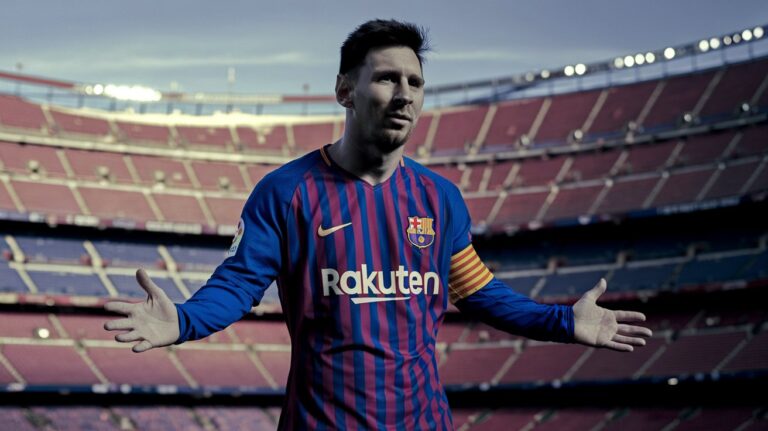
Lionel Messi’s extraordinary performance on the field isn’t just about natural talent—it’s powered by a meticulously crafted messi diet plan that has evolved throughout his career. From his early days at Barcelona to his current success at Inter Miami, Messi’s nutrition strategy combines Mediterranean principles, precise timing, and specific foods that optimize his energy, recovery, and longevity. This comprehensive guide reveals the complete nutrition secrets behind one of football’s greatest players.
Messi’s Core Diet Philosophy and Nutritional Foundation
The foundation of Lionel Messi’s diet centers around Mediterranean nutrition principles, emphasizing whole foods, lean proteins, and natural carbohydrates. Since working with renowned nutritionist Giuliano Poser in 2014, Messi transformed his eating habits from a typical Argentine diet heavy in red meat to a more balanced approach. His current daily nutrition plan prioritizes foods that reduce inflammation, enhance muscle recovery, and provide sustained energy throughout demanding training sessions and matches.
Messi’s nutritionist emphasizes the importance of eating five to six smaller meals per day rather than three large ones. This approach maintains stable blood sugar levels and ensures consistent energy delivery to his muscles. The diet focuses heavily on fresh vegetables, fruits, whole grains, fish, and olive oil—staples of Mediterranean cuisine that have been scientifically proven to support athletic performance and cardiovascular health.
What Messi Eats: Complete Daily Meal Breakdown
Understanding what does Messi eat for breakfast lunch and dinner provides insight into how elite athletes fuel their bodies for peak performance. His daily meal plan is structured around training schedules and match days, with precise timing and portion control being crucial elements of his nutritional strategy.
Messi’s Breakfast: Morning Fuel Strategy
Messi’s morning routine begins with a nutrient-dense breakfast that combines complex carbohydrates with lean proteins. His typical breakfast includes whole grain cereals or oatmeal with fresh fruits like bananas and berries, paired with low-fat yogurt or eggs. Fresh orange juice provides vitamin C and natural sugars, while nuts and seeds add healthy fats. This combination ensures sustained energy release throughout morning training sessions and helps maintain optimal blood glucose levels during intense physical activity.
Lunch and Dinner Composition
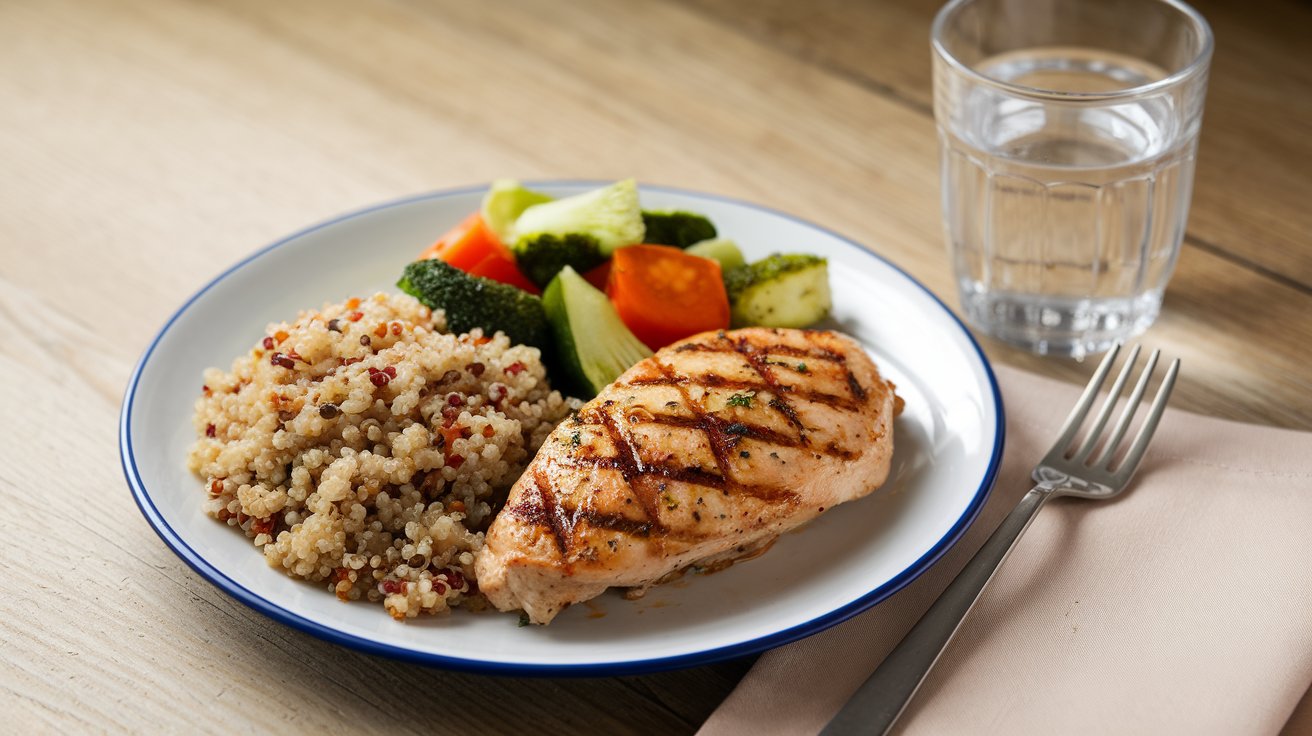
For lunch and dinner, Messi focuses on lean proteins and vegetables as the foundation of his meals. Grilled fish, particularly salmon and sea bass, features prominently due to their high omega-3 content. Chicken and occasionally lean cuts of beef provide additional protein variety. These proteins are paired with roasted or steamed vegetables like broccoli, carrots, and bell peppers, along with complex carbohydrates such as brown rice, quinoa, or sweet potatoes. Olive oil serves as the primary fat source, providing monounsaturated fats that support muscle recovery and inflammation reduction.
Pre-Match and Post-Match Nutrition Strategies
Match day nutrition represents the most critical aspect of Messi’s dietary regimen, with specific foods and timing protocols designed to optimize performance and accelerate recovery. The pre-match meal consumed 3-4 hours before kickoff focuses on easily digestible carbohydrates that provide immediate and sustained energy without causing digestive distress during play.
What Does Messi Eat Before a Match
Messi’s pre-match nutrition centers around easily digestible carbohydrates consumed 3-4 hours before kickoff. His go-to pre-game meal typically includes pasta with olive oil and light seasoning, accompanied by grilled chicken or fish. Fresh fruits like bananas provide quick-release carbohydrates, while avoiding high-fiber foods that could cause digestive issues. Hydration begins early with water and electrolyte solutions to ensure optimal fluid balance throughout the match. The meal is deliberately light to prevent sluggishness while providing sufficient energy for 90+ minutes of intense physical activity.
Post-Match Recovery Nutrition
Immediately following matches, Messi follows a strict recovery nutrition protocol designed to replenish glycogen stores and initiate muscle repair. Within 30 minutes post-match, he consumes a combination of fast-acting carbohydrates and high-quality proteins through specially formulated recovery shakes or meals. Chocolate milk, proven effective for athletic recovery, often features in his immediate post-game routine. His full recovery meal within 2 hours includes lean proteins, complex carbohydrates, and anti-inflammatory foods like tart cherries and leafy greens to accelerate muscle recovery and reduce exercise-induced inflammation.
Foods Messi Avoids and Dietary Restrictions
Messi’s transformation included eliminating specific foods that hindered his performance and recovery. Refined sugars, processed foods, and excessive red meat consumption were significantly reduced or eliminated from his diet. Pizza, a former favorite, became an occasional treat rather than a regular meal. Fried foods and heavy sauces that could cause digestive distress were also minimized, particularly around training and match days.
The Argentine star also limits his intake of dairy products due to potential inflammatory effects, though he hasn’t eliminated them entirely. Alcohol consumption is minimal and strategic, typically reserved for special celebrations or off-season periods. Additionally, foods high in saturated fats and trans fats have been largely eliminated to support cardiovascular health and maintain optimal body composition throughout his career.
Hydration and Supplement Strategy
Proper hydration forms a cornerstone of Messi’s daily routine, with water intake carefully monitored and adjusted based on training intensity, weather conditions, and match schedules. He consumes approximately 3-4 liters of water daily, increasing this amount during intense training periods or hot weather conditions. Electrolyte replacement becomes crucial during extended training sessions and matches to maintain proper muscle function and prevent cramping.
Messi’s supplement regimen, overseen by sports nutritionists, includes essential vitamins and minerals to support his demanding physical requirements. Omega-3 fatty acids support joint health and reduce inflammation, while magnesium and potassium help maintain proper muscle function. Vitamin D supplementation ensures optimal bone health and immune function, particularly important during travel and varying climate conditions throughout the football season.
Caloric Intake and Macronutrient Distribution
Many fans wonder how many calories does Messi eat per day, and the answer varies based on training intensity and match schedules. During peak season, Messi’s daily caloric intake ranges from 3,000 to 3,500 calories, carefully distributed across multiple meals to maintain energy levels and support recovery. Off-season periods may see a slight reduction to 2,800-3,200 calories to maintain optimal body composition.
His macronutrient distribution typically follows a balanced approach: approximately 55-60% carbohydrates to fuel high-intensity activities, 20-25% protein to support muscle maintenance and recovery, and 20-25% healthy fats for hormone production and inflammation control. This distribution aligns with sports nutrition recommendations for elite endurance athletes and provides the metabolic flexibility needed for varying training demands throughout the season.
Sleep and Recovery Integration with Nutrition
Understanding how many hours does Messi sleep a day reveals another crucial component of his performance optimization. Messi prioritizes 8-10 hours of sleep nightly, recognizing that quality rest is essential for muscle recovery, hormone regulation, and mental sharpness. His evening nutrition supports this sleep schedule by avoiding caffeine after 2 PM and consuming lighter dinners that won’t interfere with sleep quality.
Evening meals focus on foods containing natural melatonin precursors like tart cherries, turkey, and almonds to promote better sleep quality. The timing of his final meal occurs 2-3 hours before bedtime to allow proper digestion without disrupting sleep patterns. This integration of nutrition and sleep optimization demonstrates the holistic approach that has contributed to Messi’s longevity and consistent performance at the highest level of professional football.
Evolution of Messi’s Diet Throughout His Career
The evolution of Messi’s diet from 2012 to 2025 showcases how nutritional science and personalized approaches have advanced in professional sports. In his early career, Messi followed a more traditional Argentine diet rich in red meat and heavier foods. The significant dietary overhaul that began in 2014 marked a turning point in his physical conditioning and injury prevention.
Current nutritional strategies in 2025 incorporate advanced personalized nutrition based on genetic testing, microbiome analysis, and real-time biomarker monitoring. This precision approach allows for individualized meal timing and composition based on his specific metabolic responses and training demands. The integration of technology and traditional Mediterranean principles represents the cutting-edge of sports nutrition, contributing to Messi’s remarkable longevity and continued excellence well into his late thirties.
Related video about messi diet plan
This video complements the article information with a practical visual demonstration.
Frequently Asked Questions
What did Messi like to eat before his diet transformation?
Before his 2014 nutritional overhaul, Messi enjoyed traditional Argentine foods including pizza, red meat, and processed foods. His favorite was pizza, which he ate regularly until nutritionist Giuliano Poser helped him understand how these foods were affecting his performance and increasing his injury risk.
Is Lionel Messi a vegetarian?
No, Lionel Messi is not a vegetarian. His diet includes lean proteins like fish, chicken, and occasionally lean beef. However, he has significantly reduced red meat consumption since 2014, focusing more on fish and poultry as primary protein sources while emphasizing plant-based foods.
What is Messi’s daily routine regarding meals?
Messi follows a structured daily routine with 5-6 smaller meals spaced throughout the day. He eats breakfast around 8 AM, a mid-morning snack, lunch at 1 PM, an afternoon snack, dinner by 7 PM, and sometimes a light evening snack. Meal timing is adjusted based on training schedules and match days.
How many hours did Messi train as a kid?
As a youth player at Barcelona’s La Masia academy, Messi typically trained 4-6 hours daily, including technical skills, physical conditioning, and tactical sessions. His training was carefully monitored due to his growth hormone treatment, with nutrition playing a crucial role in supporting his development during this period.
What does Messi eat for dinner typically?
Messi’s dinner typically consists of grilled fish or lean chicken paired with roasted vegetables and complex carbohydrates like quinoa or brown rice. He often includes a mixed salad with olive oil dressing and finishes with fresh fruit. Portions are moderate and timing is usually 2-3 hours before bedtime.
How does Messi’s diet compare to other elite athletes?
Messi’s diet shares similarities with other elite athletes in emphasizing whole foods, proper hydration, and meal timing. However, his Mediterranean-focused approach, specific emphasis on anti-inflammatory foods, and personalized supplement regimen reflect his individual needs and the demands of professional football.
| Meal Component | Key Foods | Performance Benefit |
|---|---|---|
| Breakfast | Oatmeal, fruits, eggs, orange juice | Sustained morning energy |
| Lunch/Dinner | Grilled fish, vegetables, quinoa | Muscle recovery and inflammation reduction |
| Pre-Match | Pasta with olive oil, chicken | Optimal match day energy |
| Post-Match | Protein shakes, chocolate milk | Rapid recovery and glycogen replenishment |
| Hydration | 3-4 liters water, electrolytes | Optimal muscle function and endurance |