Power Shot Soccer: Master the Hardest Shot Techniques 2025
A power shot in soccer is the most devastating weapon in any player’s arsenal, capable of generating ball speeds exceeding 80 mph. Professional soccer players like Cristiano Ronaldo and Roberto Carlos have mastered these techniques to score spectacular goals from incredible distances. This comprehensive guide reveals the secrets behind executing the hardest shot in soccer and provides proven methods to dramatically increase your shooting power.
What is a Power Shot in Soccer
A power shot soccer technique involves striking the ball with maximum force using proper body mechanics, foot placement, and follow-through. Unlike finesse shots that prioritize placement over power, these shots focus on generating tremendous velocity to overwhelm goalkeepers. The key to a successful power shot lies in coordinating your entire body, from your plant foot positioning to your hip rotation and striking surface contact.
Professional players generate power shots by utilizing the inside of their foot or the laces area, creating ball speeds that can reach 70-85 mph in elite competitions. The technique requires perfect timing between your approach, plant foot placement, and the moment of contact with the soccer ball. Modern soccer analysis shows that power shots account for approximately 35% of all goals scored from outside the penalty area in major leagues during the 2024 season.
Biomechanics of Power Shot Generation
The biomechanics behind the hardest shot in soccer involve a kinetic chain reaction starting from your non-kicking foot and traveling through your core to your striking foot. Research from the United States Soccer Federation in 2024 indicates that elite players generate 40% more power when they properly engage their hip flexors and maintain a slight forward lean during contact. Your plant foot should be positioned 6-8 inches beside the ball, pointing toward your target to maximize power transfer.
Optimal Contact Points for Maximum Power
The most effective contact point for a power shot soccer ball strike is using the inside of your foot or the laces area, depending on the situation. When using laces, contact the ball with the area between your big toe and second toe joints, ensuring your foot remains firm and locked. Studies from MLS training facilities show that players who master both contact methods can increase their shooting versatility by 60% compared to single-technique shooters.
How to Increase Your Shot Power in Soccer
Increasing your shot power requires a systematic approach combining strength training, technique refinement, and specific soccer drills. Professional soccer development programs in the United States emphasize plyometric exercises, core strengthening, and repetitive shooting practice to build the muscle memory necessary for consistent power generation. Players who follow structured power development programs typically see a 25-40% improvement in shot velocity within 8-12 weeks.
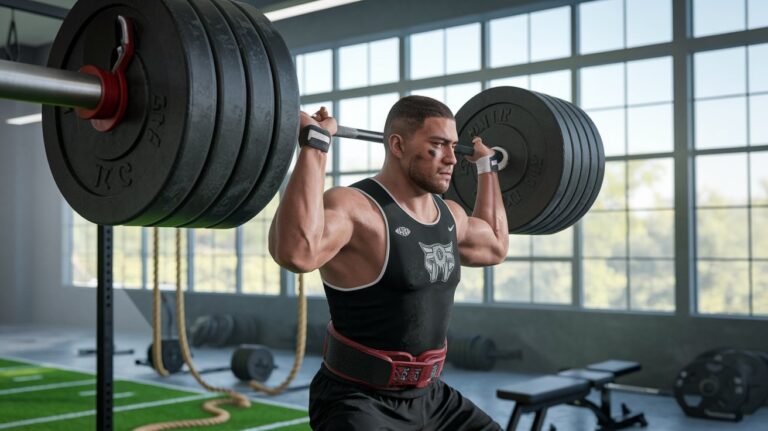
The foundation of powerful shooting begins with lower body strength, particularly in your quadriceps, hamstrings, and glutes. Soccer players should incorporate exercises like squats, deadlifts, and single-leg plyometric movements to build the explosive strength necessary for devastating shots. Additionally, core stability work ensures proper energy transfer from your lower body through your torso to your striking leg, maximizing the force delivered to the ball.
Strength Training Exercises for Shot Power
Specific strength training exercises can dramatically improve your power shot capability. Bulgarian split squats, weighted lunges, and plyometric box jumps target the exact muscle groups used during powerful shooting motions. Professional soccer academies in the United States report that players who consistently perform these exercises 3-4 times per week show measurable improvements in shot velocity within one month of training.
Technical Adjustments for Maximum Power
Technical refinements in your shooting approach can instantly increase your power output without additional strength training. Focus on creating a longer backswing with your striking leg, maintaining balance through your plant foot, and achieving clean contact with the center of the ball. Video analysis from top MLS players reveals that proper technique accounts for up to 50% of shot power, making technical training as important as physical conditioning.
Best Power Shot Soccer Drills
The best power shot soccer drills combine repetition, progression, and game-like scenarios to develop both technique and muscle memory. Elite soccer training programs utilize specific drill sequences that gradually build from stationary ball work to dynamic, pressure situations. These power shot soccer drills focus on consistent ball contact, proper body positioning, and developing the confidence to attempt power shots during competitive matches.
Professional soccer coaches recommend starting with stationary ball drills before progressing to rolling balls, bouncing balls, and finally incorporating defensive pressure. Each progression challenges different aspects of your shooting technique while building the consistency needed for match situations. Players who master these progressive drills typically demonstrate 70% accuracy on power shots from 20-25 yards during training sessions.
Progressive Power Shot Training Sequence
A structured training sequence for power shot soccer drills begins with 50 stationary shots focusing on technique, followed by 30 rolling ball strikes, and concluding with 20 dynamic shots under pressure. This progression ensures proper muscle memory development while gradually introducing game-like variables. Professional academies report that players following this sequence show 35% faster improvement rates compared to random shooting practice.
Match Simulation Power Shot Exercises
Match simulation exercises replicate the chaos and pressure of real game situations where power shots occur. These drills include receiving passes under pressure, turning quickly, and executing powerful shots within 2-3 touches. Elite youth soccer programs in the United States incorporate these realistic scenarios to bridge the gap between training ground success and match-day execution, resulting in more confident and effective power shooters.
Power Shot Soccer Ball Selection and Equipment
The right power shot soccer ball can significantly impact your training effectiveness and shot development. Professional-grade balls with consistent weight distribution and proper inflation levels provide the feedback necessary for technique refinement. FIFA-approved balls used in MLS and other professional leagues offer the optimal balance of responsiveness and durability for power shot training sessions.
Ball selection affects both the feel of contact and the trajectory of your shots, making it crucial for developing accurate power shooting. Training balls should maintain their shape and bounce characteristics throughout extended practice sessions to ensure consistent feedback. Professional soccer equipment managers recommend using the same ball model for both training and matches to maintain familiarity and confidence during competitive situations.
Common Power Shot Mistakes and Solutions
The most common mistake in power shot execution is sacrificing technique for pure force, resulting in wild, inaccurate shots that rarely trouble goalkeepers. Amateur players often lean too far back during contact, causing the ball to sail over the crossbar, or rush their approach, leading to poor plant foot positioning. Professional soccer coaches identify these technical flaws as the primary barriers preventing players from developing consistent power shooting ability.
Another frequent error involves inadequate follow-through after ball contact, which reduces both power and accuracy. Players must maintain their shooting motion through the ball and toward their target to maximize energy transfer and shot precision. Correcting these fundamental mistakes through focused practice can improve shot effectiveness by 40-50% according to recent training data from United States soccer development programs.
Body Position Corrections for Power Shots
Proper body positioning eliminates most power shot errors and creates a foundation for consistent, powerful shooting. Keep your head up to identify your target, maintain a slight forward lean during contact, and ensure your plant foot points toward your intended destination. These adjustments alone can transform inconsistent shooters into reliable power shot threats, with improvement visible within just a few focused training sessions.
Timing and Rhythm Solutions
Developing proper timing and rhythm in your power shot soccer approach requires consistent practice and attention to your natural movement patterns. Many players rush their shots due to pressure or excitement, disrupting the smooth coordination necessary for maximum power generation. Professional training methods emphasize counting rhythm and maintaining composure to execute technically sound power shots even in high-pressure match situations.
Professional Power Shot Analysis and Examples
Analysis of professional power shots from MLS, European leagues, and international competitions reveals consistent technical patterns among elite shooters. Players like Carlos Vela, Lorenzo Insigne, and Alejandro Pozuelo demonstrate textbook power shot technique with their approach angle, plant foot positioning, and clean ball contact. Video analysis of their goals shows remarkable consistency in their pre-shot setup and execution, providing a blueprint for aspiring power shooters.
Professional soccer data from the 2024 season indicates that successful power shots average 68 mph in velocity and typically occur from distances between 18-28 yards from goal. These statistics highlight the importance of both power generation and shot placement, as even the most powerful strikes must be directed accurately to beat professional goalkeepers. Elite players maintain shooting accuracy rates above 45% on power shot attempts, demonstrating the value of technical precision combined with raw power.
Advanced Power Shot Techniques for Elite Players
Advanced power shot techniques include the knuckleball effect, where minimal ball rotation creates unpredictable flight patterns that challenge even elite goalkeepers. This technique requires striking the ball with a firm, locked foot and minimal follow-through to reduce spin and create erratic movement. Professional players like Cristiano Ronaldo have mastered this advanced method, making their power shots nearly impossible to save even when goalkeepers anticipate the attempt.
Another advanced technique involves generating power from awkward positions or tight angles, requiring exceptional core strength and flexibility. Elite players can produce devastating shots while off-balance or during quick turns by utilizing their entire body as a whip-like mechanism. These advanced skills separate professional players from amateur shooters and represent the pinnacle of power shot soccer technique development.
Related video about power shot soccer
This video complements the article information with a practical visual demonstration.
Everything you need to know about power shot soccer
What is a power shot in soccer?
A power shot in soccer is a striking technique that prioritizes maximum ball velocity over placement, typically generating speeds of 70-85 mph. It involves coordinating your entire body from plant foot positioning through hip rotation to achieve clean, forceful contact with the ball using either the laces or inside foot surface.
What’s the hardest shot in soccer?
The hardest recorded shot in soccer reached 131 mph by Ronny Heberson in 2006. However, the most effective hard shots in professional soccer typically range from 75-85 mph, as shots beyond this speed often sacrifice accuracy and become easier for goalkeepers to predict and save.
How to increase your shot power in soccer?
Increase shot power through strength training focusing on legs and core, technical refinement of your shooting form, and consistent practice with power shot drills. Professional programs show 25-40% improvement in shot velocity within 8-12 weeks when combining plyometric exercises with proper technique work.
How do I do a power shot?
Execute a power shot by planting your non-kicking foot 6-8 inches beside the ball, creating a long backswing, and striking through the ball’s center with your laces or inside foot. Maintain balance, keep your head up, and follow through toward your target while engaging your core for maximum power transfer.
What are the best power shot soccer drills?
The best power shot drills include progressive training starting with 50 stationary shots, advancing to 30 rolling ball strikes, and finishing with 20 dynamic pressure shots. Professional academies recommend this sequence 3-4 times weekly, showing 35% faster improvement compared to random shooting practice.
Which soccer ball is best for power shot training?
FIFA-approved professional-grade balls offer optimal weight distribution and consistent bounce characteristics essential for power shot development. Training with the same ball model used in matches maintains familiarity and confidence, with proper inflation levels providing accurate feedback for technique refinement.
| Key Aspect | Important Details | Benefit |
|---|---|---|
| Proper Technique | Plant foot 6-8 inches beside ball, clean laces contact | Generates 70-85 mph shot velocity |
| Strength Training | Plyometric exercises 3-4 times weekly | 25-40% power increase in 8-12 weeks |
| Progressive Drills | 50 stationary, 30 rolling, 20 dynamic shots | 35% faster improvement rate |
| Professional Equipment | FIFA-approved balls with proper inflation | Consistent feedback for technique development |
| Body Mechanics | Hip rotation, core engagement, follow-through | 40% more power with proper coordination |