Complete Guide to Soccer Individual Training (2025)
Soccer individual training is the cornerstone of player development, allowing athletes to focus on specific skills without team constraints. With over 24.4 million Americans participating in soccer activities in 2024, individual training has become increasingly popular for players seeking to elevate their performance. This comprehensive guide provides proven strategies, drills, and programs that professional players use to develop their skills independently.
How to Train for Soccer Alone Effectively
Soccer individual training requires structured planning and consistent execution to maximize results. Training alone allows players to focus on personal weaknesses and develop specific skills at their own pace. Research from the US Soccer Development Academy shows that players who engage in regular individual training improve their technical skills 40% faster than those who only participate in team training.
The key to successful individual soccer training lies in creating a balanced program that addresses technical skills, physical conditioning, and tactical awareness. Professional players typically dedicate 3-4 hours per week to individual training sessions, supplementing their team practice schedule. This approach allows for targeted skill development while maintaining overall fitness and game understanding.
Essential Equipment for Solo Training
Effective soccer individual training requires minimal but strategic equipment selection. A quality soccer ball, set of cones, resistance bands, and a rebounder are fundamental tools that enable comprehensive skill development. Many American youth players invest $150-300 annually in individual training equipment, which provides excellent return on investment through improved performance and potential scholarship opportunities.
Creating Your Training Space
Designating a proper training area is crucial for individual soccer training success. A 20×30 yard space is ideal for most drills, though many exercises can be adapted for smaller areas like backyards or local parks. The US Youth Soccer Association recommends utilizing public facilities during off-peak hours to maximize training opportunities while respecting community guidelines.
Individual Soccer Training Drills for Skill Development
Soccer individual training drills form the foundation of technical improvement and must target specific skill areas systematically. The most effective drills focus on ball control, first touch, passing accuracy, and shooting technique. Studies from Major League Soccer academies indicate that players who practice individual drills for 30 minutes daily show measurable improvement within 4-6 weeks of consistent training.
Professional individual soccer training drills emphasize repetition and progressive difficulty to build muscle memory and confidence. Players should start with basic ball mastery exercises before advancing to complex combination drills that simulate game situations. The key is maintaining proper technique while gradually increasing speed and intensity throughout the training session.
Ball Control and First Touch Drills
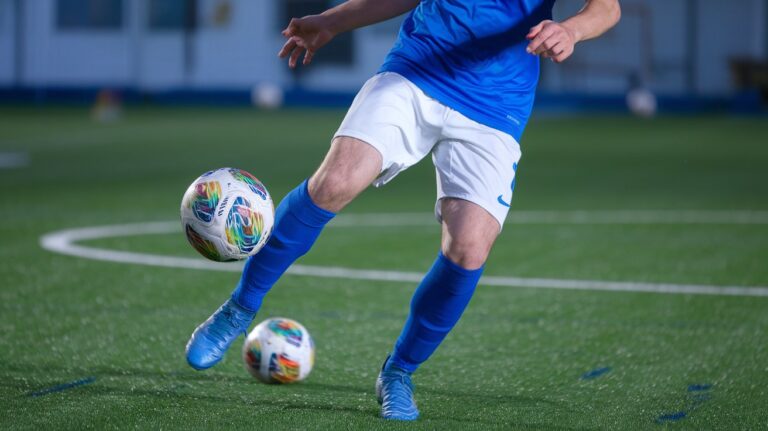
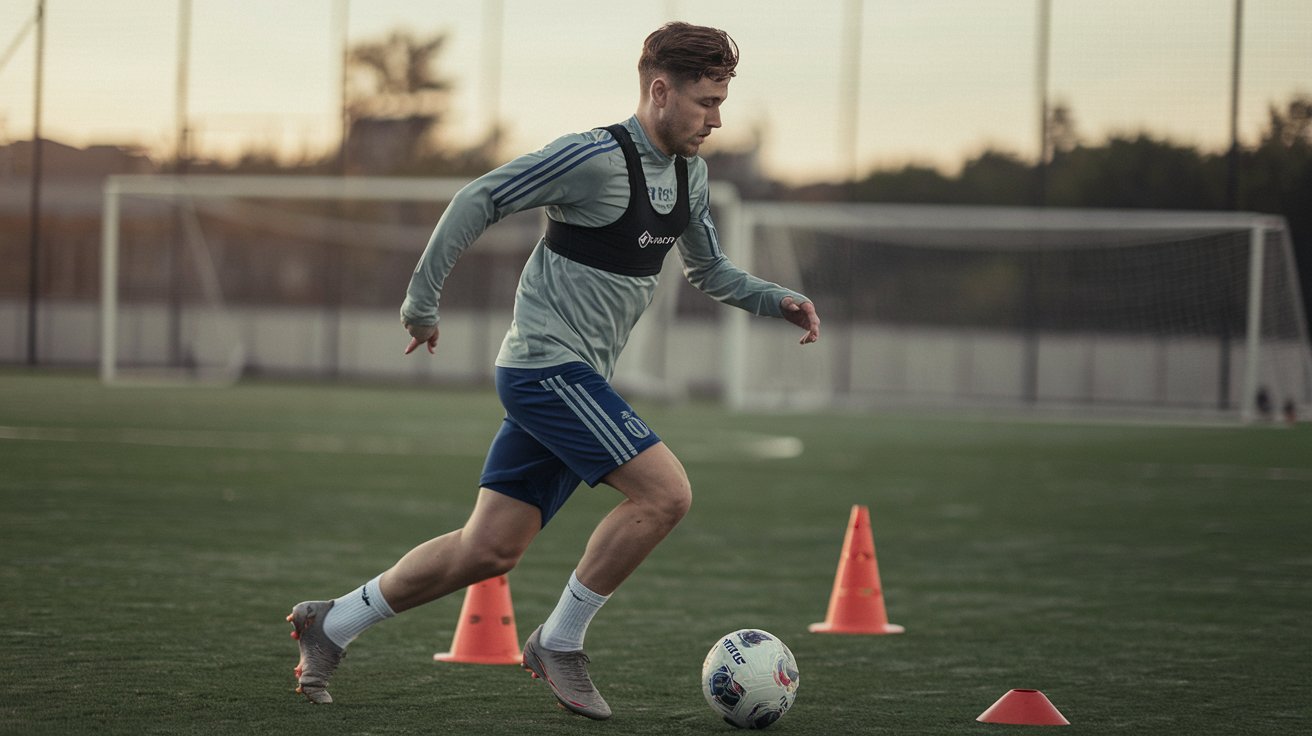
Individual soccer training begins with mastering ball control through dedicated first touch exercises. The cone weaving drill, juggling progressions, and wall passing sequences develop essential touch and control skills. These drills should be performed for 15-20 minutes at the start of each training session to establish proper ball feel and confidence.
Shooting and Finishing Techniques
Developing shooting accuracy requires focused soccer individual training using target practice and power development exercises. Set up targets in goal corners and practice various shooting techniques from different angles and distances. Professional players recommend 50-75 shots per training session to develop consistent finishing ability and build shooting confidence under pressure.
How to Get Better at Soccer Individually
Improving soccer skills individually requires a systematic approach combining technical practice, physical conditioning, and mental preparation. Individual soccer training allows players to address specific weaknesses and accelerate skill development through focused repetition. The US Soccer Coaching Education program emphasizes that individual improvement accounts for 60% of overall player development, making solo training essential for advancement.
The most successful approach to getting better at soccer individually involves setting measurable goals and tracking progress consistently. Players should establish weekly objectives for specific skills like juggling records, shooting accuracy, or sprinting times. This data-driven approach helps maintain motivation and provides clear evidence of improvement over time.
Setting Training Goals and Tracking Progress
Effective soccer individual training requires specific, measurable goals that guide daily practice sessions. Track metrics like consecutive juggles, successful free kicks out of 10 attempts, or sprint times over 40 yards. Many American academy players use training apps and video analysis to monitor their progress and identify areas needing additional focus.
Developing Weak Foot Skills
Weak foot development is crucial for individual soccer training success and requires dedicated daily practice. Spend at least 40% of technical training time using the non-dominant foot through passing, shooting, and dribbling exercises. Professional players typically achieve 80% weak foot proficiency through consistent individual training over 6-12 months.
Soccer Individual Training Program Structure
A comprehensive soccer individual training program must balance technical skills, physical conditioning, and tactical understanding across structured sessions. Successful programs typically follow a 3-4 day weekly schedule with 60-90 minute sessions focusing on different skill areas. The National Soccer Coaches Association of America recommends rotating focus areas to prevent overuse injuries while ensuring complete skill development.
Professional soccer training programs incorporate periodization principles to peak performance during competitive seasons. Pre-season focuses on fitness and fundamental skills, while in-season training maintains sharpness through skill maintenance and recovery protocols. This systematic approach ensures players continue improving while managing fatigue and injury risk effectively.
Physical Conditioning for Solo Soccer Training
Physical preparation is integral to effective soccer individual training and must address endurance, strength, agility, and injury prevention. Soccer-specific fitness training should comprise 30-40% of individual training time to support technical skill execution during competitive play. Research from the American College of Sports Medicine shows that soccer players require a balance of aerobic capacity, explosive power, and muscular endurance for optimal performance.
Implementing proper physical conditioning in individual soccer training prevents injuries while enhancing on-field performance. Focus on functional movements like squats, lunges, and plyometric exercises that translate directly to soccer actions. Many American youth players use bodyweight exercises and resistance bands to build strength without requiring expensive gym memberships or equipment.
Cardiovascular Fitness Training
Soccer individual training must include cardiovascular conditioning to support 90-minute match demands. Interval running, hill sprints, and fartlek training develop the mixed aerobic-anaerobic capacity required for soccer. Professional players typically maintain a base fitness level that allows them to cover 7-9 miles during matches while maintaining technical precision.
Strength and Power Development
Building functional strength through individual soccer training enhances shooting power, jumping ability, and physical dueling capacity. Focus on compound movements like squats, deadlifts, and explosive exercises that develop soccer-specific strength. Young players should emphasize bodyweight exercises and proper movement patterns before progressing to weighted resistance training.
Planning Individual Soccer Training Sessions
Effective session planning is crucial for maximizing soccer individual training benefits and ensuring consistent skill development. Each session should include a proper warm-up, skill-focused main activity, physical conditioning component, and cool-down period. Professional coaches recommend 15-minute warm-ups, 45-60 minutes of main training, and 10-15 minutes of recovery to optimize training adaptations.
Successful individual soccer training sessions follow a progressive structure that builds from simple to complex exercises. Start with ball mastery and basic touches, progress to dynamic dribbling and shooting drills, then conclude with game-specific scenarios. This approach ensures proper technical development while maintaining engagement and preventing mental fatigue during extended training periods.
Soccer Individual Training for Beginners
Soccer individual training for beginners should focus on fundamental skills and building confidence with the ball. New players need to develop basic ball control, simple passing technique, and comfortable running with the ball before advancing to complex drills. Youth soccer organizations in the United States recommend starting with 30-45 minute sessions, 2-3 times per week to establish proper training habits without overwhelming young players.
Beginning individual soccer training programs emphasize fun and skill mastery over intensity and competition. Focus on achieving consistency in basic techniques like juggling, first touch, and accurate passing before introducing advanced elements. Many successful American players credit their early individual training habits for developing the technical foundation that supported their later competitive success.
Basic Ball Mastery Skills
Fundamental ball control forms the cornerstone of soccer individual training for beginners and requires patient, consistent practice. Start with stationary ball touches using different surfaces of both feet, progressing to walking and then jogging while maintaining control. Beginners should aim for 100 touches with each foot daily to develop proper muscle memory and ball familiarity.
Building Training Consistency
Establishing consistent individual soccer training habits is essential for beginner player development and long-term success. Create a realistic schedule that fits around school and other commitments, starting with shorter sessions that can be maintained regularly. Research shows that 20 minutes of daily practice produces better results than longer, infrequent training sessions for developing players.
Advanced Individual Training Techniques
Advanced soccer individual training incorporates complex drills that simulate competitive match situations and challenge multiple skills simultaneously. Experienced players should focus on combination plays, quick decision-making under pressure, and position-specific technical requirements. Elite academy players in the United States typically dedicate 5-7 hours weekly to advanced individual training to maintain their competitive edge.
High-level individual soccer training utilizes video analysis and performance metrics to guide training decisions and track improvement. Advanced players should record training sessions to analyze technique and identify areas for refinement. This scientific approach to individual development separates elite players from recreational participants and accelerates the path to collegiate and professional opportunities.
Related video about soccer individual training
This video complements the article information with a practical visual demonstration.
Frequently Asked Questions
How often should I do soccer individual training?
For optimal results, practice soccer individual training 3-4 times per week with sessions lasting 60-90 minutes. This frequency allows for skill development while providing adequate recovery time. Beginners should start with 2-3 sessions weekly, while advanced players may train individually 5-6 times per week during off-season periods to maximize improvement opportunities.
What are the best individual soccer training drills for improving ball control?
The most effective individual soccer training drills for ball control include cone weaving, juggling progressions, first touch exercises, and wall passing sequences. Practice these drills for 15-20 minutes daily, focusing on using both feet and different ball surfaces. Consistency in practicing these fundamental skills will dramatically improve your overall ball mastery and game performance.
Can individual soccer training replace team practice?
While individual soccer training is essential for skill development, it cannot completely replace team practice. Individual training develops technical skills and physical fitness, while team practice provides tactical understanding, communication skills, and match experience. The most successful players combine both approaches, with individual training complementing rather than replacing team activities.
How do I create an effective individual soccer training program?
An effective soccer individual training program should include technical skills (40%), physical conditioning (30%), tactical awareness (20%), and mental preparation (10%). Structure sessions with proper warm-up, main training phase, and cool-down. Set specific goals, track progress, and adjust the program based on your development needs and competitive schedule for optimal results.
What equipment do I need for individual soccer training?
Essential equipment for soccer individual training includes a quality soccer ball, set of training cones, resistance bands, and access to a wall or rebounder. Additional useful items include agility ladder, small hurdles, and a portable goal. Most effective individual training can be accomplished with minimal equipment, making it accessible for players at all economic levels.
How long before I see improvement from individual soccer training?
With consistent individual soccer training, most players notice initial improvements in ball control and confidence within 2-3 weeks. Significant technical skill advancement typically occurs after 6-8 weeks of regular practice. Measurable improvements in shooting accuracy, passing precision, and first touch quality become evident after 2-3 months of dedicated individual training commitment.
| Training Component | Time Allocation | Key Benefits |
|---|---|---|
| Technical Skills | 40% of session | Improved ball control and touch |
| Physical Conditioning | 30% of session | Enhanced endurance and strength |
| Tactical Awareness | 20% of session | Better game understanding |
| Mental Preparation | 10% of session | Increased confidence and focus |