La Croqueta Soccer: Master This Essential Skill Move in 2025
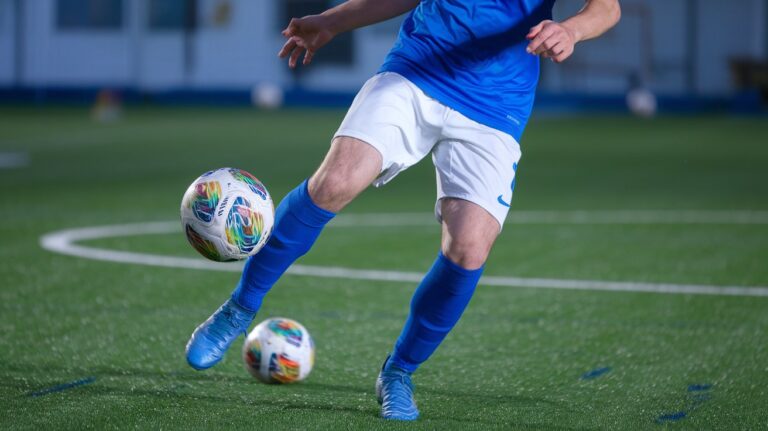
La croqueta soccer is one of the most effective skill moves in modern football, allowing players to quickly change direction while maintaining close ball control. This deceptive technique involves pushing the ball from one foot to the other in a single fluid motion, leaving defenders off-balance and creating space for attacking opportunities.
What is La Croqueta in Soccer?
La croqueta is a fundamental soccer skill move that involves rapidly shifting the ball from the inside of one foot to the inside of the other foot in a lateral motion. The technique gets its name from the Spanish word for croquette, referencing the quick, crisp movement similar to flipping food in a pan. This soccer skill move is particularly effective in tight spaces where players need to change direction quickly while maintaining ball possession.
The move is characterized by its simplicity and effectiveness, making it accessible to players of all skill levels. Unlike more complex tricks that require extensive practice, la croqueta soccer can be learned relatively quickly but takes years to master at the professional level. The key lies in the timing, body positioning, and the ability to sell the fake direction convincingly to the defender.
Who Invented La Croqueta?
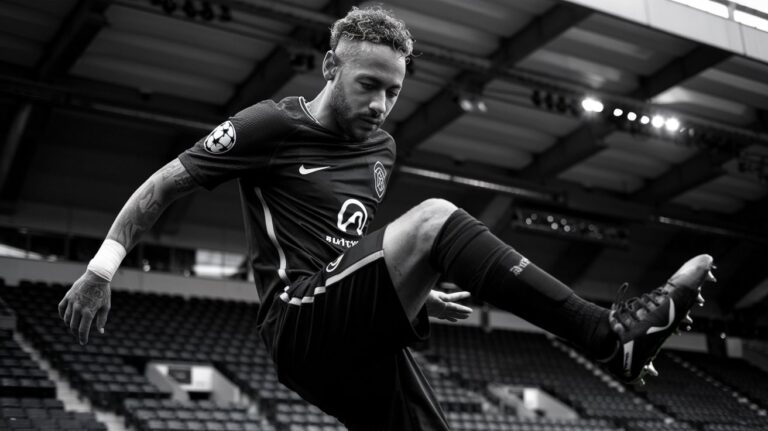
La croqueta was popularized and perfected by Spanish midfielder Andrés Iniesta, though the exact origins of the move trace back to street football in Spain during the 1990s. While many players used similar techniques, Iniesta elevated la croqueta soccer to an art form during his time at FC Barcelona from 2002 to 2018. His mastery of this technique became so synonymous with his playing style that many football analysts consider him the definitive practitioner of the move.
Before Iniesta’s international recognition, several Spanish players in La Liga were already incorporating variations of the croqueta into their game. However, it was Iniesta’s consistent use in high-pressure situations, including the 2010 World Cup and multiple Champions League finals, that brought global attention to this technique. His ability to execute the move under pressure while maintaining perfect ball control set the standard for modern players.
How to Pronounce La Croqueta
La croqueta pronunciation in English follows the Spanish phonetic structure: “lah crow-KEH-tah.” The emphasis falls on the second syllable “KEH,” with a rolling ‘r’ sound in “croqueta.” American soccer players and coaches typically adapt the pronunciation to “lah crow-KET-ah” for easier communication during training sessions and match discussions.
Understanding the correct la croqueta pronunciation is important for players studying international soccer techniques and communicating with coaches from different backgrounds. Many MLS academies and youth soccer programs in the United States now incorporate Spanish terminology for skill moves, making proper pronunciation essential for player development and tactical communication.
La Croqueta Technique and Execution
Mastering la croqueta soccer requires understanding the fundamental mechanics of the move. The technique begins with the ball positioned slightly in front of the player, with both feet shoulder-width apart for optimal balance. The executing player uses the inside of their stronger foot to push the ball laterally across their body while simultaneously shifting their weight in the opposite direction to sell the fake.
The crucial element of successful la croqueta execution is the receiving touch with the opposite foot. This touch must be precise and controlled, allowing the player to immediately accelerate in the new direction. Professional players practicing this soccer skill move focus on keeping the ball close to their body throughout the entire motion, typically within 12-18 inches to maintain maximum control and reduce the defender’s opportunity to intercept.
Body Positioning for La Croqueta
Proper body positioning is essential for executing la croqueta soccer effectively. Players must maintain a low center of gravity with knees slightly bent, allowing for quick directional changes. The shoulders should remain parallel to the ground, with the head up to maintain field awareness. The non-kicking foot serves as a pivot point, while the arms provide balance and can be used to shield the ball from defenders.
Timing and Speed Variations
The effectiveness of la croqueta depends heavily on timing and speed variation. Advanced players execute the move at different speeds depending on the defensive pressure and available space. In tight spaces, a slower, more controlled la croqueta soccer technique allows for precise ball manipulation, while in open areas, a faster execution can create sudden changes of direction that leave defenders behind.
Famous Players Known for La Croqueta
Several world-class players have become synonymous with la croqueta soccer, each adding their own variations and improvements to the technique. Andrés Iniesta remains the most recognizable practitioner, but current stars like Pedri, Gavi, and Frenkie de Jong continue to showcase the move’s effectiveness in modern football. These la croqueta soccer players demonstrate how the technique can be adapted to different playing positions and tactical systems.
In American soccer, players like Christian Pulisic and Yunus Musah have incorporated la croqueta into their skill repertoire, bringing European technique to MLS and international competitions. The move’s popularity among soccer players continues to grow as youth academies across the United States emphasize technical development and skill-based training methods inspired by Spanish and Dutch coaching philosophies.
La Croqueta Soccer Tips for Improvement
Developing proficiency in la croqueta soccer requires structured practice and progressive skill development. Beginning players should start with stationary practice, focusing on clean ball contact and smooth weight transfer between feet. La croqueta soccer tips from professional coaches emphasize starting slowly and gradually increasing speed as muscle memory develops.
Advanced practitioners recommend incorporating cone drills and pressure situations to simulate match conditions. Setting up a series of cones in a zigzag pattern allows players to practice la croqueta while navigating through obstacles, improving both technique and decision-making. Professional training sessions often include 1v1 scenarios where players must use the move to beat defenders, replicating real game pressure and timing requirements.
Training Drills for La Croqueta
Effective la croqueta soccer training incorporates multiple drill variations to develop different aspects of the technique. The basic stationary drill involves practicing the move without pressure, focusing on clean touches and body positioning. Progressive drills add movement, then defensive pressure, and finally full-speed execution in game-like scenarios.
Common Mistakes and Corrections
Common errors in la croqueta execution include touching the ball too far from the body, inadequate weight shift, and poor timing of the receiving touch. Coaches working with players on this soccer skill move often observe that beginners tend to rush the technique, reducing effectiveness and increasing turnover risk. Proper correction involves slowing down the movement and emphasizing control over speed.
La Croqueta in FIFA and FC 24
The popularity of la croqueta skill move FC 24 reflects the technique’s significance in modern football culture. In FIFA’s latest iteration, the move is rated as a 4-star skill move, requiring precise stick control and timing to execute effectively. Players using la croqueta in FC 24 find it particularly useful for creating space in midfield and beating defenders in one-on-one situations.
The gaming representation of la croqueta soccer has contributed to increased awareness and interest among younger players. Many youth soccer players first encounter the technique through video games before learning to execute it on the field. This digital exposure has helped popularize the move in American soccer culture, where traditional skill moves weren’t always emphasized in youth development programs.
La Croqueta Meaning in Football Context
Understanding la croqueta meaning football requires appreciation of Spanish football philosophy and technical development. The term represents more than just a skill move; it embodies the Spanish approach to ball control, quick decision-making, and maintaining possession under pressure. In tactical contexts, la croqueta serves as both an individual skill and a team-oriented technique for retaining possession.
The cultural significance of la croqueta soccer extends beyond technical execution to represent creativity and intelligence in football. Spanish coaches view the move as fundamental to developing players who can think quickly and adapt to changing match situations. This philosophy has influenced coaching methods worldwide, including youth development programs in the United States that now emphasize technical skills alongside physical development.
Teams and Tactical Applications
Several professional la croqueta soccer teams have built their playing philosophy around technical skills like la croqueta. FC Barcelona, Manchester City, and Chelsea are notable examples of clubs that encourage players to use this technique as part of their possession-based playing style. These teams’ success demonstrates how individual skill moves contribute to overall tactical effectiveness.
In MLS, teams like New York City FC and LA Galaxy have adopted similar approaches, with coaches encouraging players to develop technical skills including la croqueta. The technique proves particularly valuable in central midfield positions where players face constant pressure and need to maintain possession while creating attacking opportunities. Youth academies associated with these soccer teams now incorporate la croqueta training as part of their standard curriculum.
Related video about la croqueta soccer
This video complements the article information with a practical visual demonstration.
Frequently Asked Questions
What is la croqueta in soccer?
La croqueta is a soccer skill move where a player quickly shifts the ball from the inside of one foot to the inside of the other foot in a lateral motion. This technique allows players to change direction rapidly while maintaining close ball control, making it highly effective for beating defenders in tight spaces.
Who invented the la croqueta?
While the exact origins trace back to Spanish street football in the 1990s, Andrés Iniesta is credited with popularizing and perfecting la croqueta during his career at FC Barcelona from 2002 to 2018. His masterful execution of the technique in high-pressure situations brought global recognition to this skill move.
How do you pronounce la croqueta?
La croqueta is pronounced “lah crow-KEH-tah” in Spanish, with emphasis on the second syllable. American players typically adapt this to “lah crow-KET-ah” for easier communication during training and matches.
Which player is known for la croqueta?
Andrés Iniesta is the player most famous for la croqueta, having perfected the technique during his illustrious career with Barcelona and Spain. Current players like Pedri, Gavi, and Frenkie de Jong continue to showcase this skill move at the highest level of professional football.
Can beginners learn la croqueta easily?
Yes, la croqueta is considered one of the more accessible skill moves for beginners due to its relatively simple mechanics. However, mastering the timing, body positioning, and execution under pressure requires consistent practice and proper coaching guidance.
Is la croqueta effective in modern soccer?
La croqueta remains highly effective in modern soccer, particularly in possession-based systems where technical skill and quick decision-making are valued. Professional teams worldwide continue to teach this technique as part of their player development programs, demonstrating its ongoing relevance in contemporary football.
| Key Aspect | Important Details | Benefit |
|---|---|---|
| Technique Origin | Spanish street football, perfected by Iniesta | Proven effectiveness at highest level |
| Execution Method | Inside foot to inside foot lateral movement | Quick direction change with ball control |
| Learning Difficulty | Accessible for beginners, years to master | Suitable for all skill levels |
| Modern Usage | Used by top teams and in FIFA games | Relevant in contemporary football |