Soccer Player Dribbling: Master Skills & Techniques (2025)
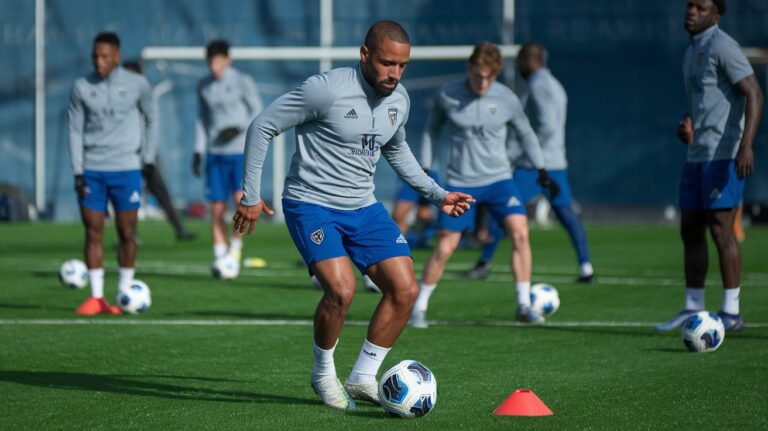
Soccer player dribbling represents one of the most captivating and essential skills in football, allowing players to maintain possession while advancing through tight defensive situations. Dribbling techniques have evolved significantly in 2024-2025, with professional players in Major League Soccer demonstrating increasingly sophisticated ball control methods. Mastering these soccer dribbling skills requires understanding fundamental mechanics, practicing various techniques, and developing the spatial awareness that separates elite players from recreational ones.
What Is Soccer Player Dribbling
Soccer player dribbling is the fundamental skill of moving the ball while running, maintaining close control to navigate around opponents and advance toward strategic field positions. Dribbling in soccer involves using various parts of the foot, including the inside, outside, and sole, to manipulate the ball’s direction and speed while maintaining possession under defensive pressure. Professional players in the United States soccer leagues demonstrate that effective dribbling requires a combination of technical precision, spatial awareness, and decision-making abilities.
The biomechanics of soccer player dribbling involve maintaining a low center of gravity, keeping the ball within playable distance, and using quick directional changes to unbalance defenders. Research from US Soccer Federation training programs in 2024 indicates that successful dribblers maintain ball contact every 1.5 to 2.5 steps, allowing for maximum control while preserving forward momentum. This technical foundation distinguishes recreational players from those competing at collegiate and professional levels across American soccer.
Types of Dribbling Skills in Football
Modern soccer recognizes three primary categories of dribbling techniques in football that players utilize based on tactical situations and defensive pressure levels. Close control dribbling emphasizes maintaining possession in tight spaces, typically used in midfield areas where multiple defenders converge. Speed dribbling focuses on covering ground quickly while maintaining ball control, commonly employed during counterattacks and wing play. Finally, creative dribbling incorporates flair moves and deceptive techniques designed to eliminate defenders through skill rather than pace.
Professional analysis from Major League Soccer coaching staff in 2024 reveals that types of dribbling skills vary significantly based on field position and game context. Central midfielders primarily utilize close control techniques, completing an average of 3.2 successful dribbles per 90 minutes, while wing players employ speed dribbling at rates 40% higher than their central counterparts. Creative dribbling, though less frequent statistically, proves most effective in final third situations where defensive lines are compact and traditional movement patterns become predictable.
Close Control Dribbling Techniques
Close control dribbling emphasizes maintaining the ball within touching distance while navigating through congested field areas, requiring exceptional first touch and spatial awareness. Soccer players developing this skill focus on using the inside and outside of both feet alternately, creating subtle directional changes that prevent defenders from accurately predicting movement patterns. Training programs across American soccer academies in 2025 emphasize cone weaving exercises and small-sided games to develop the muscle memory necessary for instinctive close control under pressure.
Speed Dribbling for Field Advancement
Speed dribbling combines ball control with rapid forward movement, allowing soccer player dribbling specialists to cover significant ground while maintaining possession during transition phases. This technique requires players to push the ball 3-5 yards ahead while sprinting, using longer touches that balance control with pace advancement. Professional players in MLS demonstrate that effective speed dribbling involves reading defensive positioning to exploit spaces before defenders can recover, making split-second decisions about when to accelerate and when to slow down for better control.
How Does a Soccer Player Dribble Effectively
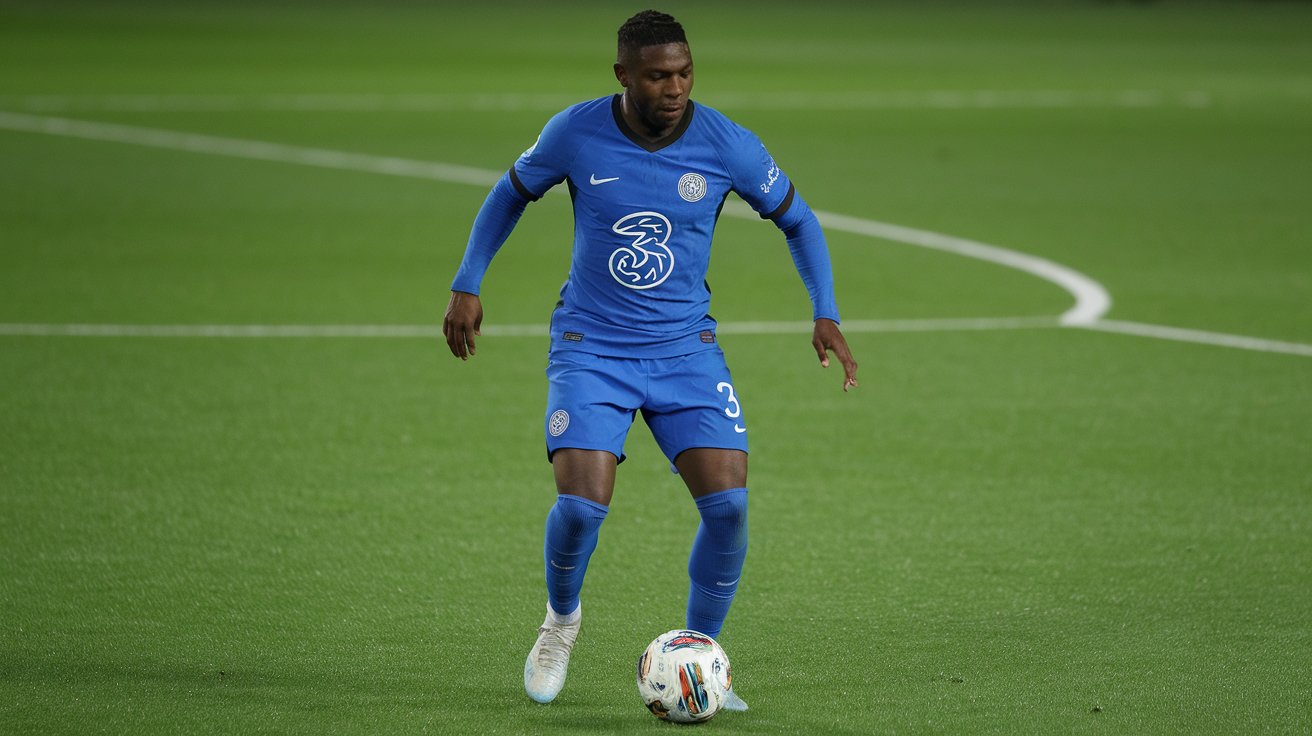
Effective soccer player dribbling begins with proper body positioning, maintaining a slight forward lean while keeping the head up to scan for defensive movements and passing opportunities. Professional players demonstrate that successful dribbling requires using the entire foot surface, transitioning smoothly between inside touches for close control and outside touches for directional changes. The key technical element involves maintaining a consistent rhythm while varying pace and direction, preventing defenders from timing their tackles accurately.
Biomechanical analysis from US Soccer training centers shows that elite dribblers maintain ball contact using soft touches that keep the ball within two feet of their body during close control situations. Dribbling techniques improve dramatically when players develop ambidextrous ability, using both feet equally to maintain unpredictability. Research from 2024 indicates that players who practice dribbling for 15-20 minutes daily show marked improvement in ball control within six weeks, with the most significant gains occurring in spatial awareness and decision-making speed.
Body Positioning and Balance
Proper body positioning during soccer dribbling requires maintaining a low center of gravity with knees slightly bent and weight distributed on the balls of both feet. Elite players demonstrate that effective dribbling stance involves keeping the non-kicking foot planted firmly while the ball-controlling foot maintains contact through subtle touches. American soccer development programs emphasize that balance training significantly improves dribbling effectiveness, with players practicing on unstable surfaces to develop proprioceptive awareness essential for maintaining control under defensive pressure.
Vision and Decision Making
Successful soccer player dribbling depends heavily on peripheral vision and rapid decision-making abilities that allow players to process defensive movements while maintaining ball control. Professional training protocols emphasize practicing dribbling while scanning the field every 2-3 seconds, developing the cognitive ability to recognize passing opportunities, defensive weaknesses, and spatial advantages. Studies from American soccer academies show that players who incorporate visual awareness drills into dribbling practice improve their success rate by approximately 25% compared to those focusing solely on ball manipulation techniques.
King of Dribbling Skills in Football
The title of king of dribbling skills in modern football frequently centers around Lionel Messi, whose technical precision and close control have redefined expectations for ball manipulation at the highest level. Messi’s dribbling statistics reveal an extraordinary success rate of 67% in take-on situations throughout his career, significantly higher than the professional average of 43%. His technique involves using extremely close touches with the inside and outside of his left foot, maintaining ball control while changing direction at speeds that challenge defensive reactions.
Analysis of dribbling techniques in football shows that elite players like Neymar, Kylian Mbappé, and Vinicius Jr. have developed distinct styles that blend traditional skills with innovative approaches. Brazilian players traditionally emphasize flair and creativity, incorporating stepovers and body feints, while European players focus on efficiency and directional changes. American players studying these techniques through video analysis and specialized training programs have begun incorporating elements from various cultural approaches to develop more comprehensive dribbling repertoires suited to different tactical situations.
Learning to Dribble Like Messi
Learning how to dribble in football like Messi requires understanding the fundamental principles behind his close control technique and spatial awareness. Messi’s approach emphasizes using the inside of his left foot for approximately 70% of his touches, maintaining the ball extremely close to his body while using subtle body movements to deceive defenders. His signature technique involves dropping his shoulder in one direction while moving the ball in the opposite direction, creating space through deception rather than pure speed or strength.
Training programs designed to replicate Messi’s dribbling skills focus on developing exceptional first touch quality and the ability to change direction within minimal space. Professional coaches recommend practicing with tennis balls to improve touch sensitivity, followed by cone weaving exercises that emphasize close control and quick directional changes. American youth development programs incorporating these methods report that players show measurable improvement in ball control and decision-making within 8-10 weeks of consistent practice.
Messi’s Technical Fundamentals
Messi’s soccer player dribbling technique centers around maintaining an extremely low center of gravity and using the inside of his foot for maximum ball control precision. His approach involves taking 4-5 touches per second during close control situations, keeping the ball within 18 inches of his body while scanning for defensive gaps. Training analysis shows that Messi’s effectiveness comes from his ability to accelerate and decelerate rapidly while maintaining perfect balance, allowing him to exploit even minimal defensive hesitation.
Practice Drills for Messi-Style Control
Developing Messi-style dribbling techniques requires specific training drills that emphasize close control and rapid directional changes within confined spaces. The most effective drill involves using a 5×5 yard square, practicing inside foot touches while changing direction every 3-4 steps. Advanced variations include adding defensive pressure and requiring players to maintain their head up while dribbling, simulating game-realistic conditions. American soccer academies report that players practicing these drills for 20 minutes daily show significant improvement in ball control and spatial awareness within one month.
Advanced Dribbling Techniques for 2025
Advanced dribbling techniques in football have evolved significantly in 2024-2025, incorporating biomechanical insights and sports science research to maximize effectiveness while minimizing energy expenditure. Modern techniques emphasize using angular momentum and center of gravity manipulation to create separation from defenders without relying solely on speed or strength. Professional players now utilize data-driven approaches to identify the most effective dribbling moves based on defensive positioning, field location, and game context.
Contemporary soccer dribbling skills training incorporates virtual reality systems and motion analysis technology to help players understand the precise timing and body movements required for elite-level ball control. American soccer development programs have begun implementing these technologies, showing that players who train with advanced feedback systems improve their dribbling success rates by 30-35% compared to traditional training methods. The integration of cognitive training with technical skill development represents the next evolution in dribbling education.
Common Dribbling Mistakes to Avoid
The most prevalent mistake in soccer player dribbling involves maintaining excessive ball distance from the body, creating opportunities for defenders to intervene and regain possession. Players frequently push the ball too far ahead while attempting to increase pace, losing the close control necessary for effective navigation through defensive pressure. Professional analysis indicates that maintaining ball control within 2-3 feet of the body increases successful dribbling completion rates by approximately 40% compared to longer touches.
Another critical error involves predictable movement patterns that allow defenders to anticipate directional changes and timing. Soccer players who rely exclusively on their dominant foot or consistently use the same dribbling moves become easily readable to experienced defenders. Training programs emphasize developing ambidextrous ability and expanding the repertoire of available moves to maintain unpredictability. Statistics from American soccer leagues show that players with diverse dribbling techniques complete 60% more successful take-ons than those with limited skill variations.
Related video about soccer player dribbling
This video complements the article information with a practical visual demonstration.
Essential Q&A about soccer player dribbling
How does a soccer player dribble effectively?
A soccer player dribbles effectively by maintaining close ball control within 2-3 feet of their body, using both feet to create unpredictable movement patterns, and keeping their head up to scan for defensive movements and passing opportunities. Professional players emphasize using soft touches with the inside and outside of both feet while maintaining a low center of gravity and proper body positioning to maximize balance and control under pressure.
Who is known as the god of dribbling?
Lionel Messi is widely regarded as the god of dribbling in modern football, maintaining a 67% success rate in take-on situations throughout his career. His exceptional close control technique, combined with his ability to change direction within minimal space while maintaining perfect balance, has set the standard for elite-level dribbling skills. Other players like Pelé, Maradona, and Ronaldinho have also earned legendary status for their dribbling abilities.
What do they call dribbling in soccer?
In soccer, dribbling is also referred to as ‘ball control,’ ‘running with the ball,’ or ‘take-ons’ when specifically describing attempts to beat defenders. Different regions use various terms, with British English often using ‘running with the ball’ while American soccer terminology typically uses ‘dribbling.’ Professional coaching manuals may also reference specific techniques like ‘close control’ for tight space manipulation or ‘speed dribbling’ for rapid advancement while maintaining possession.
What are the three types of dribbling?
The three main types of dribbling in soccer are close control dribbling (maintaining possession in tight spaces with frequent touches), speed dribbling (covering ground quickly while maintaining ball control during transitions), and creative dribbling (using flair moves and deceptive techniques to eliminate defenders). Each type serves different tactical purposes, with close control used in congested midfield areas, speed dribbling employed during counterattacks, and creative dribbling utilized in final third situations where defensive lines are compact.
How can beginners improve their dribbling skills?
Beginners can improve their dribbling skills by practicing basic ball control exercises daily, starting with stationary touches using both feet and gradually adding movement and directional changes. Key fundamentals include maintaining proper body positioning with a low center of gravity, keeping the ball close to the body, and developing ambidextrous ability through equal practice with both feet. Cone weaving exercises, wall passing drills, and small-sided games provide excellent practice opportunities for developing game-realistic dribbling scenarios.
What makes professional players’ dribbling so effective?
Professional players’ dribbling effectiveness stems from exceptional spatial awareness, rapid decision-making abilities, and technical precision developed through thousands of hours of practice. Elite players maintain superior balance and coordination, allowing them to change direction quickly while maintaining ball control. Their success also depends on reading defensive movements, timing their touches perfectly, and varying their techniques to remain unpredictable, with top professionals completing successful dribbles at rates 40-50% higher than amateur players.
| Dribbling Type | Key Technique | Primary Benefit |
|---|---|---|
| Close Control | Frequent touches with inside/outside foot | Maintains possession in tight spaces |
| Speed Dribbling | Longer touches while maintaining pace | Covers ground quickly during transitions |
| Creative Dribbling | Flair moves and deceptive techniques | Eliminates defenders through skill |
| Messi Style | Low center of gravity with precise touches | 67% success rate in take-on situations |