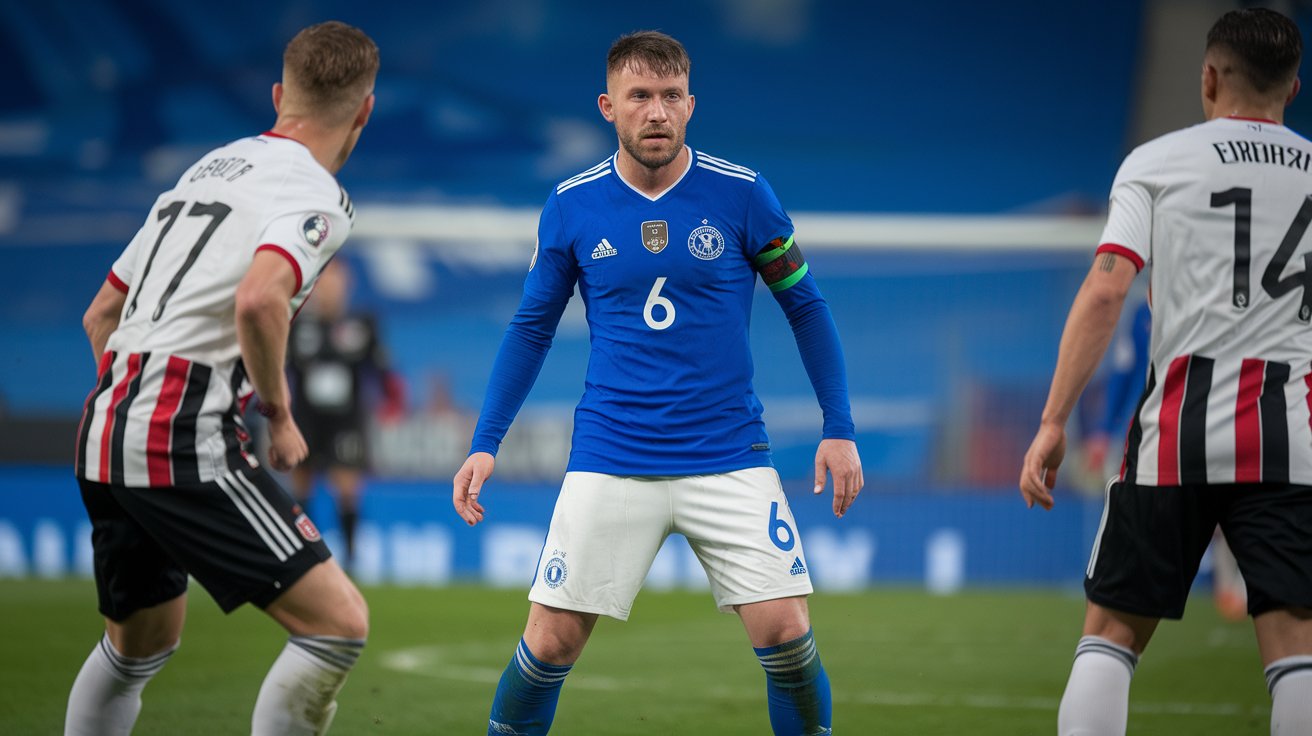
How to Play CDM: Complete Guide to Defensive Midfielder Role
Learning how to play CDM (Central Defensive Midfielder) requires mastering multiple skills from tactical positioning to ball distribution. The CDM soccer position serves as the shield between defense and midfield, making it one of the most demanding roles in modern soccer. This comprehensive guide covers everything from basic techniques to advanced strategies used by top defensive midfielders in professional leagues.
Understanding the CDM Soccer Position
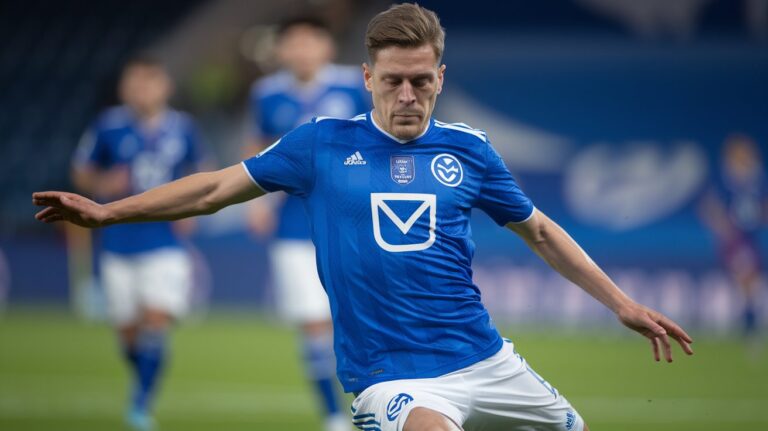
The defensive midfielder role has evolved significantly in modern soccer, becoming more complex and demanding than ever before. A CDM operates primarily in the central area just in front of the defensive line, serving as the first line of defense and the initial point of attack distribution. Professional CDM soccer players like Rodri at Manchester City and Casemiro demonstrate how this position requires exceptional game intelligence and technical ability.
In the United States, youth soccer programs increasingly emphasize the importance of the CDM position, with MLS Academy systems dedicating specific training modules to defensive midfielder development. The position demands players who can read the game effectively, anticipate opponent movements, and make split-second decisions that impact both defensive stability and offensive transitions.
Essential Technical Skills for CDM Success
Technical proficiency forms the foundation of effective CDM play, with ball control and passing accuracy being paramount. Professional defensive midfielders complete an average of 75-85 passes per match with 90%+ accuracy, demonstrating the precision required at this level. Mastering first-touch control under pressure is crucial, as CDMs often receive the ball while being closely marked by opponents.
Ball Control and Passing Mastery
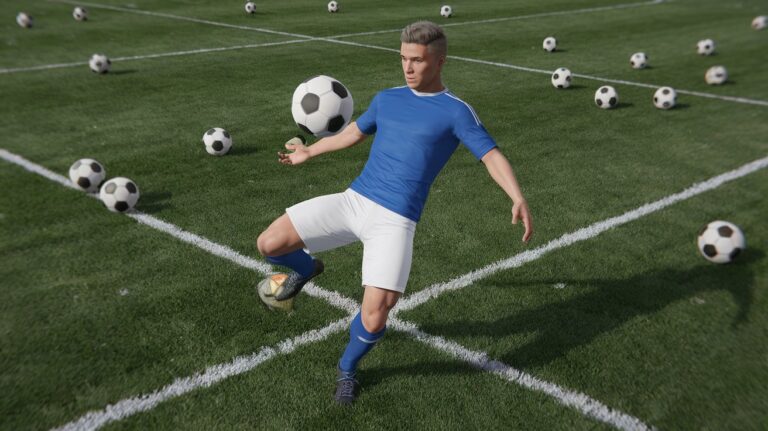
Ball control for CDMs must be exceptional in tight spaces, as they frequently receive passes with limited time and space. Practice receiving balls from various angles and heights, focusing on your first touch to immediately set up the next action. Professional defensive midfielders spend countless hours perfecting their passing range, from short 5-yard distribution to 40-yard switches of play that can change the entire dynamic of an attack.
Vision and Distribution Techniques
Developing exceptional vision allows CDMs to spot passing opportunities that others miss, creating attacking chances from deep positions. Top defensive midfielders scan the field continuously, making quick assessments of player positions and potential passing lanes. The ability to execute both short, intricate passes and long-range distribution makes a CDM truly effective in modern soccer systems.
Defensive Responsibilities and Tackling
The primary defensive duties of a CDM include breaking up opposition attacks, making interceptions, and providing cover for the defensive line. Statistical analysis from the 2024 MLS season shows that effective CDMs average 4-6 tackles per match and 3-4 interceptions, highlighting the constant defensive engagement required. Timing is everything when it comes to tackling, as mistimed challenges can leave dangerous spaces for opponents to exploit.
Interception Techniques and Positioning
Interceptions require excellent anticipation and positioning, allowing CDMs to cut out passes before they reach their intended targets. The best defensive midfielders position themselves to cover the most dangerous passing lanes while maintaining the flexibility to react to changing situations. Reading body language and weight distribution of opposing players helps predict their intended actions.
Pressing and Defensive Transitions
Modern CDMs must master the art of pressing, knowing when to step forward and when to hold their position. Effective pressing by a defensive midfielder can disrupt opponent build-up play and create turnovers in dangerous areas. The transition from defense to attack often starts with a CDM’s decision-making immediately after winning possession.
Tactical Understanding and Game Management
Tactical awareness separates good CDMs from great ones, requiring deep understanding of team systems and opponent tendencies. Professional defensive midfielders study game film extensively, analyzing patterns of play and identifying opportunities to disrupt opponent attacks. The 2024-2025 season has seen increased emphasis on CDMs who can adapt their positioning based on game situations and score lines.
Positioning and Spatial Awareness
Positioning is arguably the most important aspect of playing CDM effectively, as it determines your ability to influence both phases of play. Maintaining proper distance from teammates while covering dangerous spaces requires constant adjustment and communication. Elite defensive midfielders position themselves to see the entire field while being available for backward passes from teammates.
Game Tempo and Transition Management
Managing game tempo through passing decisions and movement patterns is a crucial CDM responsibility that often goes unnoticed by casual observers. Knowing when to slow down play with deliberate passing or accelerate transitions with quick distribution demonstrates advanced game understanding. Professional CDMs like Rodri excel at dictating the rhythm of matches through their positioning and decision-making.
Physical Attributes and Conditioning
The physical demands of playing CDM are significant, with players covering an average of 10-12 kilometers per match while making frequent high-intensity sprints and direction changes. Modern defensive midfielders must possess the stamina to maintain their performance level throughout 90+ minutes while also having the strength to compete in physical duels against opposition attackers.
Stamina and Endurance Training
Stamina development for CDMs should focus on both aerobic endurance and anaerobic power, as the position requires sustained effort with periodic high-intensity actions. Professional training programs incorporate interval running, box-to-box sprints, and game-specific movement patterns. Building the cardiovascular base to maintain concentration and decision-making quality throughout matches is essential.
Strength and Power Development
Strength training for defensive midfielders emphasizes functional movements that translate to on-field performance, including core stability and lower body power. The ability to shield the ball under pressure and win aerial duels requires specific strength development. Plyometric exercises and resistance training help CDMs compete effectively in the physical battles that define the position.
Mental Strength and Decision-Making
Mental toughness and decision-making under pressure define elite CDMs, as they must make crucial choices multiple times per match with limited time for consideration. The psychological pressure of playing the CDM position is intense, as mistakes often lead directly to scoring opportunities for opponents. Studies from US Soccer show that top defensive midfielders make an average of 40-50 crucial decisions per match.
Concentration and Composure
Maintaining concentration throughout the entire match is critical for CDMs, as momentary lapses can be catastrophic for team performance. Developing composure under pressure allows defensive midfielders to make better decisions when receiving the ball in tight situations. Mental training techniques, including visualization and pressure simulation, help build the psychological resilience required for this demanding position.
Leadership and Communication
Leadership qualities emerge naturally in many CDMs due to their central position and comprehensive view of the field, making them effective on-field organizers. Clear communication with teammates helps maintain defensive shape and coordinate pressing triggers. The best defensive midfielders serve as extensions of the coaching staff, relaying tactical adjustments and motivating teammates during crucial moments.
Training Drills and Practice Methods
Effective defensive midfielder training requires specific drills that simulate match conditions and develop the unique skill set required for the position. Professional academies in the United States have developed specialized training protocols that focus on the technical, tactical, and physical demands of playing CDM. Regular practice sessions should include possession-based exercises, defensive shape work, and passing accuracy drills under pressure.
Training consistency is crucial for CDM development, with players benefiting from daily technical work combined with tactical understanding sessions. The most effective training programs integrate position-specific skills with team tactical work, ensuring that individual improvement translates to better team performance.
Related video about how to play cdm
This video complements the article information with a practical visual demonstration.
Most asked questions about how to play cdm
Is CDM the hardest position in soccer?
CDM is widely considered one of the most challenging positions in soccer due to its dual responsibilities in defense and attack. The position requires exceptional tactical awareness, technical skills, and physical conditioning. Players must excel at reading the game, making quick decisions under pressure, and maintaining high performance levels throughout 90+ minutes while covering extensive ground.
What does a CDM do in football?
A CDM serves as the shield between defense and midfield, breaking up opponent attacks through tackles and interceptions while initiating team attacks through accurate passing. They cover for defensive teammates, provide passing options for defenders, and dictate game tempo through their distribution choices. Modern CDMs also press opponents and contribute to defensive transitions.
Do CDMs run a lot in soccer matches?
Yes, CDMs typically cover 10-12 kilometers per match, making them among the highest distance runners on the field. Their running includes constant positional adjustments, pressing actions, defensive recovery runs, and forward movements to support attacks. The position demands exceptional cardiovascular fitness to maintain effectiveness throughout the entire match duration.
How can I play CDM like Rodri?
To emulate Rodri’s CDM style, focus on exceptional passing accuracy (90%+), intelligent positioning to intercept passes, and calmness under pressure. Develop your ability to switch the tempo of play, practice receiving the ball in tight spaces, and work on anticipating opponent movements. Regular technical training and tactical study of professional matches are essential for reaching elite CDM performance levels.
What physical attributes are most important for CDM players?
Key physical attributes for CDMs include exceptional cardiovascular endurance, core strength for shielding the ball, and explosive power for quick direction changes. Height can be advantageous for aerial duels, but technical skill and tactical intelligence often matter more than pure physical size. Agility and balance are crucial for maintaining possession under pressure from multiple opponents.
How long does it take to master the CDM position?
Mastering the CDM position typically takes 3-5 years of dedicated training and match experience, though basic competency can be achieved in 12-18 months with proper coaching. The position’s complexity requires extensive tactical understanding that develops gradually through game experience. Professional players often continue refining their CDM skills throughout their entire careers as the role continues evolving with modern soccer tactics.
| Key CDM Skill | Development Focus | Match Impact |
|---|---|---|
| Passing Accuracy | 90%+ completion rate under pressure | Maintains team possession and creates attacks |
| Defensive Positioning | Cover dangerous spaces and intercept passes | Prevents opponent scoring opportunities |
| Game Reading | Anticipate opponent actions and team needs | Controls match tempo and flow |
| Physical Endurance | 10-12km match distance with intensity | Consistent performance for 90+ minutes |
| Mental Composure | Decision-making under pressure situations | Reduces team errors and maintains stability |