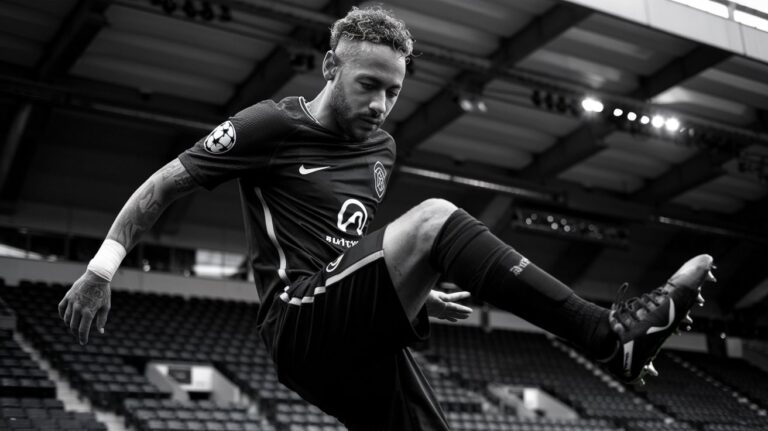
Soccer Striker Training: Complete Guide for 2025 Success
Effective soccer striker training combines technical skills, tactical awareness, and physical conditioning to create goal-scoring opportunities. Modern strikers require specialized training that develops finishing ability, movement patterns, and decision-making under pressure. This comprehensive guide provides proven methods used by top academies across the United States to develop elite strikers in 2025.
Essential Soccer Striker Skills Development
The foundation of striker training begins with mastering core technical abilities that separate elite goal scorers from average players. Professional strikers in Major League Soccer demonstrate exceptional first touch control, allowing them to receive passes under pressure and create immediate scoring chances. According to 2024 MLS statistics, top strikers complete 78% of their first touches successfully in the penalty area.
Ball striking technique forms the cornerstone of effective finishing drills for strikers. Players must develop both power and precision across various shooting situations including volleys, half-volleys, and ground shots. The optimal shooting technique involves planting the non-kicking foot firmly beside the ball, keeping the head steady over the ball, and following through toward the target. Professional academies emphasize practicing with both feet to become unpredictable in front of goal.
First Touch and Ball Control Mastery
Superior first touch control enables strikers to create space and shooting opportunities in congested penalty areas. Individual soccer training drills should focus on receiving balls from various angles and heights while maintaining balance and body positioning. Practice controlling passes with the inside of the foot, outside of the foot, chest, and thigh to become comfortable in all receiving situations.
Advanced Finishing Techniques
Professional soccer striker training incorporates multiple finishing scenarios including near post shots, far post placements, and chip shots over advancing goalkeepers. Strikers must practice shooting with minimal preparation time, as most goal-scoring opportunities in competitive matches occur within 1-2 seconds. Develop muscle memory through repetitive practice of shooting mechanics from different angles within the penalty area.
Youth Soccer Striker Training Programs
Youth soccer striker training requires age-appropriate progressions that build fundamental skills while maintaining player engagement. United States Youth Soccer Association guidelines recommend focusing on basic ball mastery and simple shooting drills for players under 12 years old. Technical development at younger ages creates the foundation for advanced tactical concepts introduced during teenage years.
Training frequency for youth strikers should include 3-4 technical sessions per week, with each session lasting 45-60 minutes for optimal attention and skill retention. Soccer training drills for strikers should emphasize fun competitive elements while developing essential skills like first touch, shooting accuracy, and basic movement patterns around the penalty area.
Age-Specific Training Progressions
Players aged 8-12 should focus on basic skill development including juggling, cone dribbling, and simple shooting from stationary positions. This age group benefits from games-based learning where technical skills are developed through small-sided games and fun competitions that maintain high engagement levels.
Teenage Striker Development
Advanced youth soccer striker training for players 13-18 years old incorporates tactical awareness, pressing triggers, and complex movement patterns. Teenagers can handle more sophisticated drills that simulate game-realistic scenarios including combination play, off-the-ball runs, and decision-making under defensive pressure.
Individual Soccer Training Drills and Methods
Self-directed training allows dedicated strikers to develop skills outside of team practice sessions. Striker drills to do on your own include wall passing exercises, cone weaving with shots, and juggling progressions that improve ball feel and coordination. Individual training should complement team sessions by focusing on personal weaknesses and reinforcing strengths.
Wall training provides excellent opportunities for improving striking technique and first touch control. Players can practice receiving passes at various speeds and angles while working on immediate shot preparation. Set up targets on the wall to improve shooting accuracy and develop consistent contact points for different shot types.
Striker Movement and Positioning Drills
Intelligent movement separates elite strikers from average goal scorers in competitive soccer. Striker movement drills develop spatial awareness, timing of runs, and the ability to find space in crowded penalty areas. Professional strikers study defensive positioning to identify gaps and exploit weaknesses in opponent formations.
Modern striker positioning involves constant movement between defensive lines, checking away from goal to receive passes, and making penetrating runs behind defenders. Soccer striker training must include drills that simulate these movements under time pressure with defensive resistance to replicate match conditions accurately.
Off-the-Ball Movement Patterns
Effective strikers make runs that create space for teammates while positioning themselves for scoring opportunities. Practice making curved runs that take defenders away from dangerous areas, checking movements that create passing lanes, and delayed runs that exploit defensive mistakes. These striker training drills require understanding of timing and spatial relationships.
Penalty Area Positioning
Goal-scoring opportunities often occur in the six-yard box where quick reactions and proper positioning determine success. Practice near-post and far-post positioning for crosses, rebounds, and deflections. Develop anticipation skills that allow quick movement toward loose balls in the penalty area.
Physical Conditioning for Strikers
Modern soccer demands exceptional physical fitness from strikers who must make repeated high-intensity sprints throughout matches. Conditioning programs should emphasize explosive power, agility, and recovery speed to maintain performance during crucial moments. Research from the National Strength and Conditioning Association shows that elite strikers perform 15-20 high-intensity sprints per match.
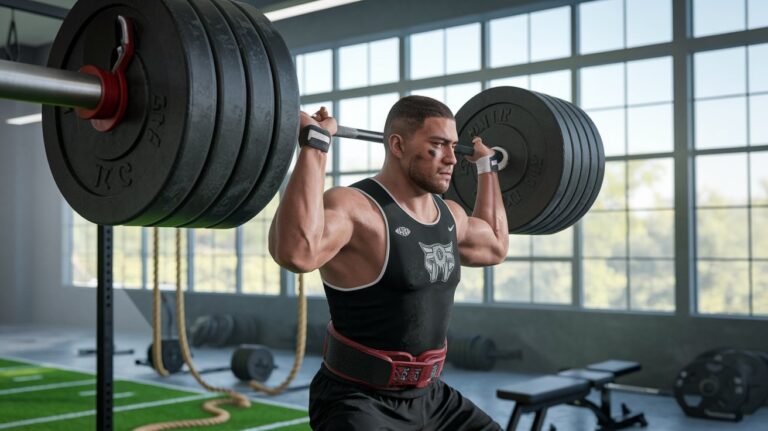
Soccer striker training incorporates plyometric exercises, sprint intervals, and functional strength training that translates directly to on-field performance. Focus on single-leg exercises, jump training, and core stability work that improves shooting power and balance during physical challenges from defenders.
Mental Skills and Decision Making
Elite strikers possess exceptional mental skills including composure under pressure, quick decision-making, and resilience after missed opportunities. Visualization techniques help players prepare mentally for various scoring scenarios and build confidence in high-pressure situations. Soccer training drills for strikers should include decision-making elements that replicate match pressure.
Developing mental toughness involves practicing under fatigue, noise, and defensive pressure that simulates competitive match conditions. Strikers must learn to maintain focus after missing chances and continue making positive runs and decisions throughout the entire match. Mental skills training has become increasingly important in modern striker training drills at professional levels.
Technology and Analysis in Striker Development
Modern soccer striker training utilizes video analysis, GPS tracking, and performance metrics to optimize player development. Professional clubs use heat maps to analyze striker positioning, shot charts to identify scoring patterns, and movement tracking to measure off-the-ball runs. This data-driven approach allows for personalized training programs that address specific areas for improvement.
Technology tools available to youth players in 2025 include smartphone apps for shot tracking, video analysis software for technique review, and online platforms providing individual soccer training drills PDF resources. These tools enable players to monitor progress, identify weaknesses, and access professional-level training content from anywhere in the United States.
Finding Quality Soccer Striker Training Programs
Locating effective soccer striker training near me requires researching local academies, clubs, and specialized programs that focus on striker development. Many areas across the United States offer position-specific training camps during summer months and specialized clinics throughout the year. Look for programs led by former professional players or certified coaches with striker expertise.
Quality programs combine technical skill development with tactical understanding and physical conditioning in age-appropriate progressions. The best striker training programs maintain small player-to-coach ratios, provide individual feedback, and offer regular assessment of player progress through measurable metrics and game application opportunities.
Related video about soccer striker training
This video complements the article information with a practical visual demonstration.
Key Questions and Answers
How to train to be a striker in soccer?
Training to become a striker requires focusing on finishing technique, first touch control, movement in the penalty area, and physical conditioning. Practice shooting from various angles, work on receiving passes under pressure, and develop quick decision-making skills. Combine technical drills with small-sided games that simulate match situations for comprehensive development.
How to train like a striker?
Train like a striker by emphasizing goal-scoring situations in every session. Focus 60% of training time on finishing drills, movement patterns, and tactical awareness. Include physical conditioning that develops explosive power and agility. Study professional strikers through video analysis and practice decision-making under pressure regularly.
What is the best skill for a striker?
The best skill for a striker is clinical finishing ability combined with exceptional first touch control. These skills allow strikers to convert half-chances into goals and create shooting opportunities from difficult situations. Professional strikers also possess excellent spatial awareness and timing for making penetrating runs behind defensive lines.
How to practice striking soccer?
Practice striking by setting up various shooting scenarios including volleys, ground shots, and shots under pressure. Use wall training for repetitive practice, work with a partner for crossing and finishing drills, and include target practice to improve accuracy. Focus on proper technique with both feet and practice shooting quickly after receiving passes.
What striker drills can I do alone?
Individual striker drills include wall passing and shooting, cone dribbling with finishing, juggling for ball control, and target shooting practice. Set up multiple cones as defenders and practice dribbling through them before shooting. Use a rebounder net for repetitive finishing practice and work on weak foot development through isolated shooting drills.
How often should youth strikers train?
Youth strikers should train 3-4 times per week with sessions lasting 45-60 minutes for optimal development. Include 2-3 technical sessions focusing on individual skills and 1-2 tactical sessions emphasizing game situations. Allow adequate rest days for recovery and avoid overtraining that can lead to burnout or injury in young players.
| Training Component | Key Focus Areas | Expected Benefits |
|---|---|---|
| Technical Skills | First touch, shooting technique, ball control | Improved goal conversion rate, better ball handling |
| Tactical Awareness | Movement patterns, positioning, decision-making | Enhanced scoring opportunities, better game understanding |
| Physical Conditioning | Sprint speed, agility, explosive power | Sustained performance, injury prevention |
| Mental Skills | Composure, confidence, resilience | Better performance under pressure, consistency |