Winger in Soccer: Complete Guide to Wing Positions (2025)
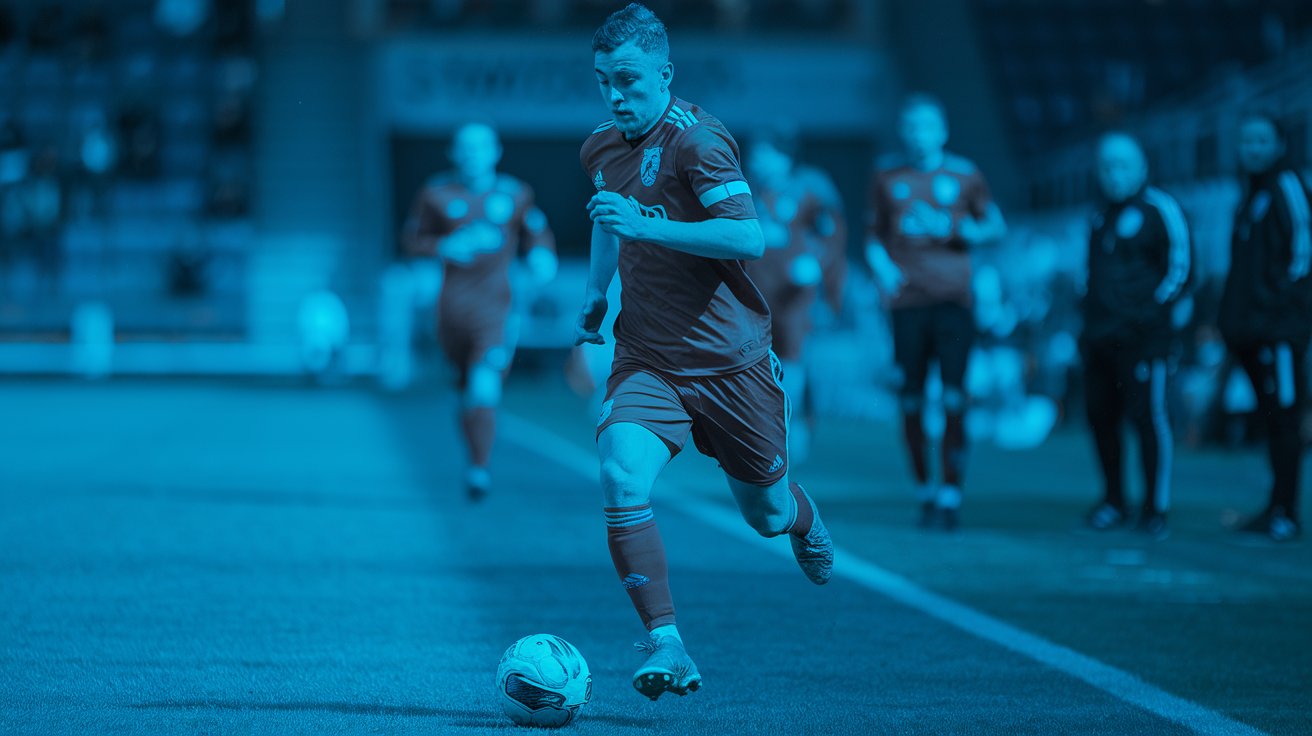
A winger in soccer is an attacking player positioned on the flanks who creates scoring opportunities through pace, dribbling, and precise crosses. Wingers operate primarily on the touchlines, utilizing their speed and technical skills to stretch the opposition defense and deliver crucial passes into the penalty area. This dynamic position has evolved significantly in modern soccer, becoming one of the most influential roles on the pitch.
What is a Winger in Soccer – Complete Position Guide
The winger position in soccer refers to attacking players who operate on the left and right flanks of the field. These players are positioned wide on either side of the midfield or forward line, typically wearing jersey numbers 7 and 11 for right and left wingers respectively. In American soccer terminology, wingers are simply called wingers or sometimes referred to as wide midfielders or wide forwards depending on their specific role within the team formation.
Modern wingers must possess exceptional pace, technical ability, and crossing skills to be effective. They serve as the primary width providers in most tactical formations, stretching the opposition defense horizontally while creating space for central players. The winger football position has become increasingly versatile, with players expected to contribute both offensively and defensively throughout the match.
Left Winger vs Right Winger Differences
The left winger typically operates on the left flank and is often left-footed, allowing for natural crosses and shots. Right wingers mirror this setup on the opposite flank, usually being right-footed players. However, modern soccer has seen the rise of inverted wingers, where right-footed players operate on the left wing and vice versa, cutting inside to create shooting opportunities rather than traditional crosses.
Traditional vs Modern Winger Roles
Traditional wingers focused primarily on crossing the ball from wide positions and providing width. Modern wingers, however, are expected to drift inward, support central play, track back defensively, and even operate as secondary strikers when the situation demands. This evolution has made the winger position more tactically complex and physically demanding than ever before.
Is a Winger a Midfielder or Forward Position
The classification of wingers as midfielders or forwards depends entirely on the team’s formation and tactical approach. In formations like 4-4-2 or 4-5-1, wingers are classified as midfielders and have significant defensive responsibilities. They must track back to support fullbacks and contribute to the team’s defensive shape when not in possession.
In more attacking formations such as 4-3-3 or 4-2-3-1, wingers often function as forward players with minimal defensive duties. These attacking wingers focus primarily on creating and scoring goals, positioning themselves higher up the pitch and making runs into the penalty area. The modern game has blurred these lines, with many wingers switching between midfielder and forward roles during different phases of play.
Essential Skills for Playing Winger in Soccer
To excel as a winger in soccer, players must develop several key technical and physical attributes. Speed and acceleration are fundamental, as wingers need to beat defenders in one-on-one situations and exploit spaces behind the defensive line. Ball control and dribbling skills are equally important, allowing wingers to maintain possession while running at pace and navigate tight spaces along the touchline.
Crossing accuracy represents another crucial skill for successful wingers. The ability to deliver precise crosses from various angles and distances can create numerous scoring opportunities for teammates. Modern wingers also need strong shooting ability, particularly when cutting inside from wide positions. Vision and decision-making skills help wingers choose the right moment to cross, shoot, or pass the ball back to central players.
Physical Requirements for Wingers
Wingers require exceptional stamina and endurance as they cover more ground than most other positions during a match. Studies from the 2024 MLS season show wingers average 11.5 kilometers per game, more than any other outfield position. Quick bursts of acceleration, rapid direction changes, and the ability to maintain high intensity throughout 90 minutes are essential physical attributes for modern wingers.
Technical Skills Development
Ball mastery forms the foundation of winger technical ability. This includes close control with both feet, the ability to receive passes under pressure, and maintaining possession while running at full speed. Crossing technique involves practicing different types of deliveries including early crosses, cutbacks, and driven balls across the penalty area.
Is Winger a Hard Position in Soccer
Many soccer experts consider the winger position challenging due to its demanding physical and mental requirements. Wingers must excel in multiple areas including pace, technical skill, tactical awareness, and physical endurance. The position requires constant decision-making under pressure, whether to take on defenders, cross the ball, or track back defensively.
The difficulty of playing winger varies based on the team’s tactical system and opposition strategy. When facing defensively organized teams, wingers encounter multiple defenders and limited space to operate. Additionally, modern wingers face increased defensive responsibilities compared to previous generations, making the position more physically and mentally taxing than traditional wide player roles.
What’s the Hardest Position in Soccer Compared to Winger
While winger is considered difficult, many coaches and analysts argue that central midfield and goalkeeper represent the hardest positions in soccer. Central midfielders must excel in all aspects of the game including passing, defending, attacking, and tactical awareness. They serve as the connection between defense and attack, requiring exceptional vision and technical ability.
Goalkeepers face unique pressures as the last line of defense, where single mistakes can determine match outcomes. However, wingers face distinct challenges including the need for explosive pace, the pressure of one-on-one situations, and the physical demands of covering extensive ground throughout matches. The difficulty ranking often depends on individual player strengths and weaknesses rather than absolute positional complexity.
Best Wingers in Football History and Modern Game
Historical best wingers in football include legends like Garrincha, George Best, and Ryan Giggs, who defined the traditional wing play with their pace, dribbling, and crossing ability. These players established the template for successful wing play through their ability to beat defenders consistently and create scoring opportunities for teammates.
Modern elite wingers such as Mohamed Salah, Sadio Mané, and Raheem Sterling have revolutionized the position by adding significant goal-scoring threats to their traditional creative roles. The 2024 season has seen wingers like Bukayo Saka and Vinícius Jr. demonstrate the evolution of the position, combining traditional wing skills with interior play and clinical finishing ability.
Top Wingers in MLS 2024-2025
Major League Soccer has featured outstanding winger performances in 2024, with players like Lorenzo Insigne (Toronto FC) and Sebastián Driussi (Austin FC) leading statistical categories. These players have adapted their European experience to the physical and tactical demands of American professional soccer, creating new standards for winger play in MLS.
Youth Development of Wingers in US Soccer
American youth soccer development programs have increasingly focused on producing dynamic wingers through specialized training academies. Programs emphasize developing pace, technical skills, and tactical understanding from early ages, with many young American wingers now competing at the highest European levels.
Tactical Formations and Winger Positioning
Different tactical formations utilize wingers in various ways, affecting their positioning and responsibilities throughout matches. In the popular 4-3-3 formation, wingers operate as attacking players with the freedom to drift inside and support the central striker. This system maximizes their goal-scoring potential while maintaining width in attacking phases.
The 4-4-2 formation requires wingers to function as wide midfielders with significant defensive duties. They must support fullbacks defensively while providing attacking width when the team gains possession. The 3-5-2 formation eliminates traditional wingers in favor of wing-backs, though some teams use attacking midfielders in wide positions to fulfill similar creative roles.
How to Be a Good Left Winger in Football
Becoming an effective left winger requires specific skills and tactical understanding tailored to that flank. Left wingers must develop strong crossing ability with their left foot while maintaining the option to cut inside onto their stronger foot when applicable. The ability to deliver early crosses before defenders can close down space represents a crucial skill for left-sided players.
Understanding when to stay wide versus when to drift inside separates good left wingers from average ones. Effective left wingers read the game situation, maintaining width when teammates need space centrally while moving inside to create numerical advantages in central areas. Communication with the left-back is essential, as both players must coordinate their movements to avoid leaving defensive gaps while maximizing attacking opportunities.
Left Winger Training Drills
Specific training exercises for left winger development include crossing practice from various angles, one-on-one dribbling scenarios, and combination play with fullbacks. Regular practice of cutting inside from wide positions helps develop the versatility needed in modern soccer systems.
Mental Aspects of Left Wing Play
Mental toughness is crucial for left wingers as they often face double-marking and physical challenges from opposing defenders. Developing confidence to attempt dribbles in tight spaces and maintaining composure when crossing under pressure are essential mental skills for success in this position.
Defensive Responsibilities of Modern Wingers
Contemporary soccer demands that wingers contribute defensively more than ever before. Modern wingers must track back to support their fullbacks, close down opposing wingers, and maintain the team’s defensive shape when not in possession. This defensive work rate has become a crucial factor in team selection, with coaches favoring wingers who excel in both phases of play.
The defensive duties of wingers include pressing opposing fullbacks to prevent comfortable possession, tracking runners from deep positions, and providing cover when teammates are drawn out of position. Statistical analysis from the 2024 season shows successful teams have wingers who complete an average of 4.2 defensive actions per game, including tackles, interceptions, and clearances.
Related video about winger in soccer
This video complements the article information with a practical visual demonstration.
Questions & Answers
Is winger a hard position in soccer?
Yes, winger is considered a challenging position in soccer due to the demanding physical requirements, need for exceptional pace and stamina, technical skills for dribbling and crossing, plus modern defensive responsibilities. Wingers must excel in multiple areas while making quick decisions under pressure throughout the entire match.
What’s the hardest position in soccer?
While opinions vary, many experts consider central midfield and goalkeeper the hardest positions due to their comprehensive skill requirements and match influence. Central midfielders need excellence in all game aspects, while goalkeepers face unique pressure as the last line of defense where mistakes are costly.
Is a winger a defender?
No, wingers are not classified as defenders. They are either midfielders or forwards depending on the formation, but modern wingers do have significant defensive responsibilities including tracking back to support fullbacks and maintaining defensive shape when the team doesn’t have possession.
What do Americans call a winger in soccer?
Americans simply call them “wingers” just like the rest of the world. The terminology is the same in American soccer, though they may also be referred to as “wide midfielders” or “wide forwards” depending on their specific role within the team’s tactical formation.
How to play winger in soccer effectively?
To play winger effectively, focus on developing pace and acceleration, master ball control and dribbling skills, practice accurate crossing from various angles, build exceptional stamina for covering ground throughout matches, and understand when to stay wide versus when to cut inside based on tactical situations.
What number do wingers wear in soccer?
Traditional winger numbers are 7 for right wingers and 11 for left wingers. However, modern soccer allows more flexibility with numbering, and wingers may wear various numbers depending on squad availability and personal preference, particularly in professional leagues with fewer restrictions.
| Key Aspect | Important Details | Benefit |
|---|---|---|
| Physical Requirements | Exceptional pace, stamina, acceleration | Beat defenders and cover extensive ground |
| Technical Skills | Ball control, crossing, dribbling, shooting | Create scoring opportunities consistently |
| Tactical Versatility | Wide play, cutting inside, defensive tracking | Adapt to different formations and situations |
| Mental Strength | Confidence in 1v1s, decision-making under pressure | Maintain effectiveness despite physical challenges |
| Modern Evolution | Goal-scoring threat, defensive contribution | Maximum impact on team performance |