Pivot in Football: Master Single & Double Pivot Tactics 2025
The pivot in football represents one of the most crucial tactical positions that connects defense and attack. Operating as the team’s central hub, the pivot player controls tempo, distributes possession, and provides defensive stability. Understanding how to play pivot effectively separates elite teams from average ones in 2025’s tactical landscape.
Defining the Pivot Player Role in Football
A pivot player in football functions as the central midfielder positioned directly in front of the defense, serving as the primary link between defensive and offensive phases. This position requires exceptional tactical awareness, as the pivot must constantly scan the field to identify passing lanes and potential threats. In modern football tactics, the pivot has evolved from a purely defensive destroyer to a versatile playmaker who dictates the rhythm of the game.
The pivot position demands players who can operate under intense pressure while maintaining composure on the ball. Unlike traditional box-to-box midfielders, pivots typically occupy a more static zone, allowing them to provide consistent support to both defense and attack. Their positioning enables quick transitions and helps maintain possession during crucial moments of the match.
Single Pivot vs Double Pivot Systems
The single pivot in football utilizes one central midfielder as the sole connector, providing maximum attacking support with two advanced midfielders. This system requires an exceptional individual capable of covering vast areas and making split-second decisions. Teams like Manchester City often employ this formation when seeking aggressive offensive play.
Double Pivot Formation Benefits
A double pivot in football employs two central midfielders sharing defensive responsibilities, offering greater stability and ball circulation options. This formation allows teams to maintain possession more effectively while providing defensive insurance. The double pivot system has become increasingly popular in elite football due to its tactical flexibility and reduced individual pressure.
Essential Physical Attributes for Pivot Players
Physical conditioning represents a fundamental requirement for effective pivot players in football. The position demands exceptional stamina as pivots must maintain high-intensity performance throughout the entire match. Their central location means constant involvement in both defensive and offensive actions, requiring superior cardiovascular endurance compared to more specialized positions.
Strength and agility combine to create the physical foundation necessary for pivot tactics. Players must shield the ball under pressure from multiple opponents while maintaining balance and control. Quick directional changes and acceleration bursts are essential when transitioning between defensive covering and offensive support roles.
Critical Technical Skills for Playing Pivot
Ball control represents the cornerstone of successful pivot play in football. Elite pivot players demonstrate exceptional first touch under pressure, enabling quick decision-making in tight spaces. Their ability to receive passes with both feet while scanning the field separates good pivots from great ones. Technical precision becomes even more critical when operating in the congested central areas where most defensive pressure occurs.
Passing accuracy and vision define the offensive contribution of pivot players. They must execute short, precise passes to maintain possession while also delivering longer, penetrating passes to unlock defensive lines. The best pivots in modern football consistently achieve passing accuracy rates above 90%, demonstrating their technical reliability under match pressure.
Defensive Skills and Spatial Awareness
Defensive pivot skills require impeccable timing for tackles and interceptions without committing fouls in dangerous areas. Spatial awareness allows pivots to anticipate opponent movements and position themselves optimally to break up attacks. This defensive contribution often goes unnoticed but proves crucial for team stability and counter-attacking opportunities.
Advanced Passing Techniques
Modern pivot tactics demand mastery of various passing techniques including through balls, diagonal switches, and quick one-touch combinations. Elite pivots can execute these passes with either foot while under pressure, maintaining team rhythm and creating attacking opportunities. Their passing range typically covers the entire field, from short lateral passes to long diagonal balls.
Mental and Tactical Intelligence Requirements
Tactical intelligence distinguishes exceptional pivot players from technically gifted but tactically limited midfielders. The position requires constant evaluation of game situations, opponent positioning, and teammate movements. Pivots must process this information rapidly while executing their own technical responsibilities, making split-second decisions that influence entire team performance.
Game reading ability enables pivot players in football to anticipate opponent strategies and adapt their positioning accordingly. They must recognize when to drop deeper for defensive support, when to push forward for offensive involvement, and when to shift laterally to maintain team shape. This tactical flexibility requires years of experience and exceptional football intelligence.
Best Pivot Players and Examples in Modern Football
Analyzing the best pivot players in football provides valuable insights into position requirements and tactical applications. Sergio Busquets revolutionized the role at Barcelona, demonstrating how pivot players can control matches through positioning and passing rather than aggressive defending. His influence showed that the hardest position in football might be the pivot due to its tactical complexity.
Contemporary examples like Rodri at Manchester City and Fabinho at Liverpool showcase different pivot football examples. Rodri excels in single pivot systems with exceptional ball distribution, while Fabinho provides defensive intensity in double pivot formations. These players demonstrate the versatility required in modern football tactics and the evolution of the position.
Evolution of Pivot Role in 2024-2025 Season
The pivot role continues evolving in the 2024-2025 season with increased emphasis on progressive passing and press resistance. Modern pivots must contribute more to ball progression while maintaining defensive responsibilities. Statistical analysis shows top pivot players now average over 70 passes per game with progressive pass completion rates exceeding 85%.
Youth Development and Pivot Training
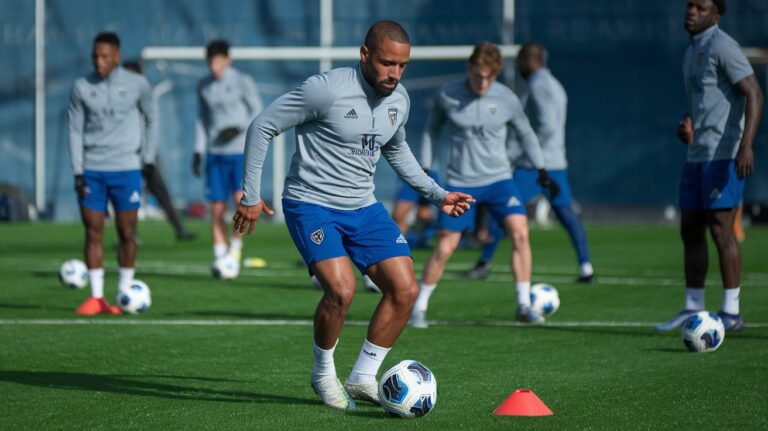
How to play pivot in football requires specialized training programs focusing on decision-making under pressure. Youth academies across the United States now incorporate pivot-specific drills including quick passing sequences, defensive positioning exercises, and tactical awareness simulations. Early development of these skills proves crucial for future success in the position.
Tactical Applications and Team Formations
Pivot football tactics vary significantly based on team formation and strategic approach. In 4-3-3 formations, the single pivot provides defensive cover while enabling two advanced midfielders to attack. Alternatively, 4-2-3-1 formations utilize double pivots for enhanced stability and ball circulation. Each system demands different skills and positioning from the pivot players.
Formation flexibility allows teams to adjust their pivot strategy during matches based on game situations. Transitioning from single to double pivot can provide additional defensive security when protecting leads, while reducing to single pivot enables more attacking options when chasing goals. This tactical versatility makes pivot understanding essential for modern coaches and players.
Common Mistakes and How to Avoid Them
Understanding pivot positioning mistakes helps players avoid costly errors that can expose their team defensively. Common mistakes include pushing too high during attacks, leaving gaps behind the defensive line, and failing to track runner from midfield. Proper pivot education emphasizes maintaining positional discipline while contributing to team play.
Technical errors such as poor first touches under pressure or inaccurate passing can prove devastating for pivot players. These mistakes often lead to dangerous turnovers in central areas where opponents can quickly transition to attack. Consistent training focused on pressure situations and technical precision helps minimize these risks during competitive matches.
Related video about pivot in football
This video complements the article information with a practical visual demonstration.
FAQ – Common Questions
What is single pivot in football?
A single pivot in football is one central midfielder positioned in front of the defense who serves as the primary link between defensive and attacking phases. This player controls tempo, distributes possession, and provides defensive cover while two other midfielders operate in more advanced positions. Single pivot systems offer maximum attacking support but require exceptional individual ability.
What is the hardest position in football?
The pivot position is often considered the hardest in football due to its tactical complexity and physical demands. Pivot players must excel in technical skills, tactical awareness, physical conditioning, and mental intelligence simultaneously. They face constant pressure from opponents while making split-second decisions that affect entire team performance throughout the match.
How to play pivot in football effectively?
Playing pivot effectively requires mastering ball control under pressure, maintaining excellent positional awareness, and developing superior passing accuracy. Focus on quick decision-making, defensive positioning, and communication with teammates. Practice receiving passes with both feet, executing various passing techniques, and transitioning between defensive and offensive responsibilities seamlessly.
What are the best pivot players examples?
Best pivot players include Sergio Busquets (Barcelona), Rodri (Manchester City), Fabinho (Liverpool), and N’Golo Kanté (Chelsea). These players demonstrate different pivot styles: Busquets excels in ball distribution and positioning, Rodri provides single pivot stability, Fabinho offers defensive intensity, and Kanté combines ball-winning with progressive passing ability.
What is double pivot in football tactics?
Double pivot in football uses two central midfielders sharing defensive responsibilities and ball distribution duties. This formation provides greater tactical stability, reduces individual pressure on players, and offers multiple passing options for ball circulation. Double pivot systems excel in maintaining possession and providing defensive insurance during attacking phases.
What physical attributes do pivot players need?
Pivot players need exceptional stamina for 90-minute high-intensity performance, strength to shield the ball under pressure, and agility for quick directional changes. Superior cardiovascular endurance is essential due to constant involvement in play. Balance and core strength help maintain control when receiving passes in congested areas while acceleration enables effective transitions.
| Pivot Aspect | Key Requirements | Strategic Benefit |
|---|---|---|
| Single Pivot | Exceptional individual ability, 360-degree awareness | Maximum attacking support, tempo control |
| Double Pivot | Complementary skills, tactical discipline | Enhanced stability, possession maintenance |
| Physical Attributes | Stamina, strength, agility, balance | Consistent performance, pressure resistance |
| Technical Skills | Ball control, passing accuracy, first touch | Reliable distribution, team rhythm control |
| Tactical Intelligence | Game reading, positioning, decision-making | Strategic advantage, match influence |