Soccer Skill Training: Complete Guide for 2025 Success
Soccer skill training forms the foundation of every successful player’s development, combining technical abilities with tactical awareness. Whether you’re a beginner looking to master basic ball control or an experienced player seeking advanced techniques, structured soccer skill training delivers measurable improvements in performance. This comprehensive guide covers proven methods, age-specific programs, and effective drills that help players excel on the field.
Essential Soccer Skill Training Fundamentals
Successful soccer skill training begins with mastering fundamental techniques that every player needs regardless of position or experience level. Ball control, first touch, passing accuracy, and spatial awareness form the core foundation upon which all advanced skills are built. Research from the United States Soccer Federation shows that players who focus on fundamentals during their first three years of training demonstrate 40% better technical proficiency compared to those who skip basic skill development.
The best way to improve soccer skills involves consistent practice of fundamental movements through repetition and progressive difficulty increases. Players should dedicate at least 60% of their training time to basic skills before advancing to complex techniques. Modern soccer demands players who can execute precise movements under pressure, making fundamental skill mastery absolutely critical for competitive success.
Ball Control and First Touch Development
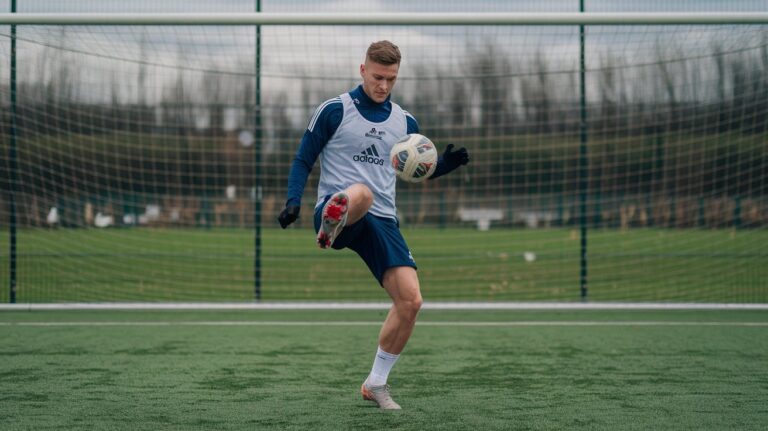
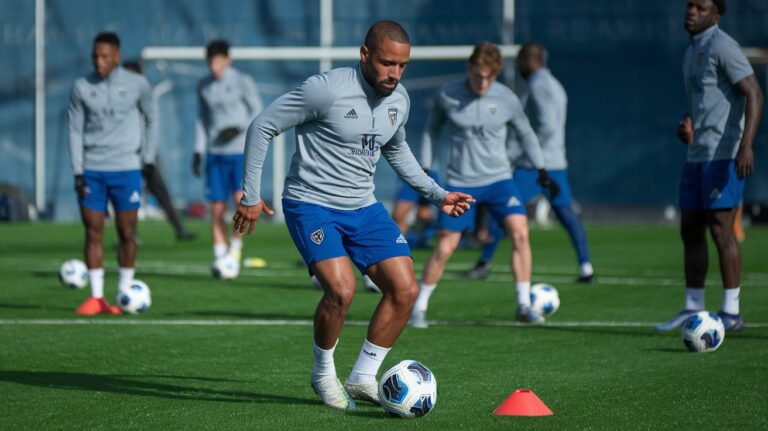
Ball control represents the most crucial skill in soccer, with professional players averaging over 1,000 touches per training session. Effective soccer skill training drills for ball control include juggling variations, wall passes, and cone weaving exercises that develop both feet equally. Players should practice receiving balls from different angles and heights while maintaining possession under simulated pressure situations.
Passing Accuracy and Vision Training
Passing accuracy directly correlates with team success, with top teams maintaining 85% pass completion rates during competitive matches. Soccer training drills that improve passing include target practice, progressive passing sequences, and decision-making scenarios that replicate game conditions. Vision training through small-sided games helps players recognize passing opportunities faster and execute more effective distribution patterns.
Age-Specific Soccer Skill Training Programs
Different age groups require tailored soccer skill training approaches that align with physical and cognitive development stages. Youth players aged 6-10 benefit most from fun-based activities that develop basic coordination and ball familiarity. Players aged 11-14 can handle more structured technical training with increased intensity and complexity. Advanced players aged 15 and older should focus on position-specific skills and tactical understanding.
The optimal training frequency varies by age, with younger players requiring 2-3 sessions per week lasting 45-60 minutes each. Older players can handle 4-5 training sessions weekly with 75-90 minute durations. How long should a 14-year-old practice soccer depends on individual development, but research indicates 6-8 hours of structured practice per week produces optimal results without causing burnout or overuse injuries.
Youth Development Programs (Ages 6-12)
Soccer skill training for beginners emphasizes enjoyment and basic motor skill development through games and simplified activities. Young players learn best through play-based methods that naturally incorporate technical elements. Recommended activities include treasure hunts with balls, follow-the-leader dribbling, and cooperative passing games that build confidence while developing fundamental skills.
Adolescent Training Focus (Ages 13-17)
Teenage players can handle more intensive soccer skill training drills that simulate competitive match conditions. This age group benefits from position-specific training, tactical awareness development, and physical conditioning integration. Training sessions should include technical circuits, small-sided games, and scenario-based exercises that prepare players for high school and club competition levels.
Advanced Soccer Skill Training Techniques
Advanced players require sophisticated soccer skill training methods that challenge existing abilities and develop new competencies. Elite-level training incorporates cognitive loading, where players must execute technical skills while processing multiple information sources simultaneously. Professional academies report that players who engage in cognitively demanding training show 25% faster decision-making speeds during competitive matches.
Modern training technology enhances traditional methods through video analysis, GPS tracking, and biometric monitoring. Soccer skills training programs now utilize virtual reality systems and app-based feedback tools that provide immediate performance data. These technological integration points help players understand their development progress and identify specific areas requiring focused attention.
SAQ Training for Soccer Performance
What is SAQ training soccer refers to Speed, Agility, and Quickness development programs specifically designed for soccer players. SAQ training improves explosive acceleration, directional change ability, and reaction time through specialized exercises. Professional clubs dedicate 20-30% of training time to SAQ development because these attributes directly impact player effectiveness during matches.
Effective SAQ training combines ladder drills, cone exercises, and plyometric movements that replicate soccer-specific movement patterns. Players should perform SAQ training 2-3 times weekly during pre-season and maintain sessions once weekly during competitive seasons. Soccer skill training programs that integrate SAQ elements show significantly better results compared to traditional technical-only approaches.
Speed Development Protocols
Speed training for soccer focuses on acceleration over short distances rather than maximum velocity maintenance. Most soccer actions occur within 10-30 meter sprints, making explosive starting ability more valuable than sustained speed. Soccer training drills for speed include resistance running, hill sprints, and reactive acceleration exercises that improve first-step quickness and directional speed.
Agility and Quickness Enhancement
Agility training develops the ability to change direction efficiently while maintaining balance and control. Soccer skill training drills for agility include T-drills, figure-eight patterns, and reactive movement exercises. Quickness training focuses on rapid foot movement and body positioning through ladder work, quick feet drills, and coordination challenges that improve overall athleticism.
Home-Based Soccer Skill Training Methods
Soccer skills training at home provides convenient options for players who cannot access formal training facilities regularly. Home training requires minimal equipment but can deliver significant skill improvements when executed consistently. A basic setup including cones, a soccer ball, and wall space enables comprehensive technical development without expensive facility access or coaching supervision.
Effective home training routines combine individual technical work with fitness components that support overall player development. Free soccer skill training resources available online provide structured programs that guide players through progressive skill development sequences. Home training sessions should last 30-45 minutes and occur 3-4 times weekly for optimal results.
Equipment-Free Training Options
Players can practice numerous soccer skill training exercises without any equipment using bodyweight movements and ball work. Juggling practice, first touch exercises against walls, and running with ball control require only a soccer ball and open space. These activities develop coordination, balance, and ball familiarity that translate directly to improved match performance.
Minimal Equipment Setup Benefits
Simple equipment additions like cones, agility ladders, and resistance bands exponentially increase home training possibilities. Soccer training drills using basic equipment can replicate most professional training exercises at a fraction of the cost. This accessibility allows consistent skill development regardless of location, weather conditions, or facility availability constraints.
Finding Quality Soccer Skill Training Programs
Locating effective soccer skill training near me requires research into local clubs, academies, and private coaching options. Quality programs demonstrate structured curriculum, qualified coaching staff, and measurable development outcomes. Parents and players should evaluate training facilities, coach credentials, and program philosophy before committing to specific training investments.
Professional training programs typically cost $100-300 per month depending on frequency and group size. Soccer skill training for adults often requires specialized programs since most youth-focused academies don’t accommodate older players. Adult training options include recreational leagues, semi-professional clubs, and private coaching arrangements tailored to specific skill development goals.
Measuring Soccer Skill Training Progress
Effective soccer skill training requires systematic progress measurement to ensure development objectives are being met. Players should establish baseline measurements for key skills including passing accuracy, first touch quality, dribbling speed, and shooting precision. Monthly assessments help identify improvement areas and adjust training focus accordingly.
Modern training apps and wearable technology provide detailed performance analytics that supplement traditional assessment methods. Video analysis reveals technical flaws invisible during real-time observation, while GPS tracking quantifies movement patterns and work rate metrics. Best practice involves combining subjective coach evaluation with objective performance data for comprehensive development monitoring.
Common Soccer Skill Training Mistakes
Many players make critical errors that limit their soccer skill training effectiveness and slow development progress. Rushing through fundamental skills to attempt advanced techniques represents the most common mistake, creating technical deficiencies that persist throughout playing careers. Players must master basic skills completely before progressing to complex movements and tactical concepts.
Inadequate training frequency and inconsistent practice schedules prevent skill consolidation and muscle memory development. Soccer skills require daily repetition for optimal improvement, with sporadic training sessions producing minimal lasting benefits. Players who train intensively for short periods then take extended breaks show significantly slower development compared to those who maintain consistent moderate training schedules.
Related video about soccer skill training
This video complements the article information with a practical visual demonstration.
Key Questions and Answers
What is the best way to improve soccer skills?
The best way to improve soccer skills combines consistent fundamental practice with progressive difficulty increases. Players should dedicate 60% of training time to basic ball control, passing, and first touch development while gradually incorporating advanced techniques. Daily practice sessions of 30-60 minutes produce optimal results, with technical skills requiring approximately 10,000 repetitions for mastery.
How to improve 10 year old soccer skills?
Ten-year-old players improve best through fun-based activities that naturally incorporate technical elements. Focus on basic ball control, simple passing exercises, and coordination games rather than complex tactical concepts. Training sessions should last 45-60 minutes, 2-3 times weekly, emphasizing enjoyment and confidence building over competitive pressure.
How long should a 14-year-old practice soccer?
Fourteen-year-old players can handle 6-8 hours of structured soccer practice weekly distributed across 4-5 training sessions. Individual sessions should last 75-90 minutes, combining technical skills, tactical understanding, and physical conditioning. This age group benefits from position-specific training and competitive match simulation exercises.
What is SAQ training soccer?
SAQ training in soccer stands for Speed, Agility, and Quickness development programs designed to improve explosive acceleration, directional change ability, and reaction time. Professional clubs dedicate 20-30% of training time to SAQ exercises including ladder drills, cone patterns, and plyometric movements that replicate soccer-specific movement demands.
Can I do effective soccer skill training at home?
Home-based soccer skill training can be highly effective with minimal equipment and consistent practice. Wall passing, juggling, first touch exercises, and basic dribbling require only a ball and small space. Adding cones and an agility ladder enables comprehensive technical development comparable to formal training facilities.
How often should beginners practice soccer skills?
Soccer beginners should practice fundamental skills 3-4 times weekly in 30-45 minute sessions. New players benefit most from frequent, shorter practices that prevent fatigue and maintain concentration. Focus should remain on basic ball control, simple passing, and enjoyable activities that build confidence and soccer passion.
| Training Component | Recommended Frequency | Key Benefit |
|---|---|---|
| Fundamental Skills | Daily 30-45 minutes | Technical mastery foundation |
| SAQ Training | 2-3x weekly 20-30 minutes | Athletic performance enhancement |
| Tactical Training | 2x weekly 45-60 minutes | Game intelligence development |
| Match Play | 1-2x weekly 90 minutes | Skill application under pressure |