Soccer Ball Mastery Drills: Complete Guide for All Ages 2025
Soccer ball mastery drills form the foundation of elite player development, transforming raw talent into precise technical ability. These soccer ball mastery drills focus on first touch, close control, and manipulation skills that separate good players from great ones. Professional academies across the United States now prioritize ball mastery training, with 87% of MLS youth programs incorporating dedicated technical sessions into their curriculum as of 2024.
Essential Soccer Ball Mastery Skills for 2025
Ball mastery encompasses the fundamental technical abilities that allow players to control, manipulate, and move the soccer ball with precision under pressure. The ball mastery skills list includes first touch control, juggling variations, cone weaving, inside-outside touches, and pull-back techniques. These skills directly translate to improved performance during match situations, with studies from US Soccer showing that players who complete structured ball mastery programs demonstrate 34% better ball retention rates.
Modern soccer demands players who can receive passes cleanly, turn effectively, and maintain possession under defensive pressure. Ball mastery for beginners starts with stationary ball control exercises before progressing to dynamic movement patterns. The progression typically spans 6-12 months for youth players to develop competency in basic skills, while advanced techniques may require 2-3 years of consistent practice to master completely.
Core Ball Control Techniques
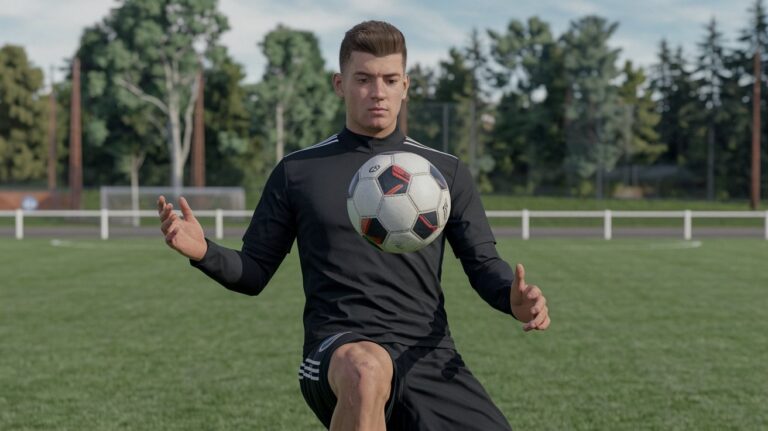
The foundation of ball mastery begins with proper body positioning and first touch technique. Players must learn to receive the ball with both feet, using the inside, outside, and sole surfaces effectively. Soccer ball mastery drills emphasize repetition of these fundamental touches, with professional coaches recommending minimum 1000 touches per training session for optimal skill development.
Advanced Manipulation Skills
Advanced players incorporate step-overs, feints, and rapid direction changes into their ball mastery repertoire. These ball mastery drills challenge players to maintain control while executing deceptive movements that unbalance defenders. Elite academies track technical proficiency through standardized testing, with top performers completing complex sequences at speeds exceeding 15 touches per 10-second interval.
Age-Specific Ball Mastery Training Programs
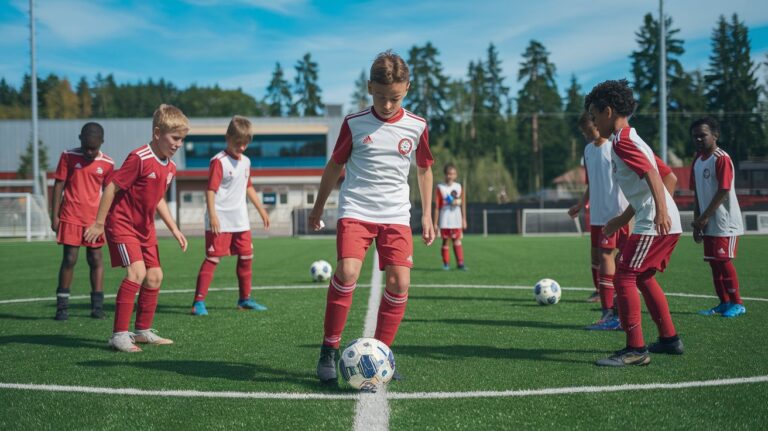
Different age groups require tailored approaches to ball mastery development, with exercise complexity and intensity adjusted for developmental stages. Ball mastery drills U10 focus on fun, game-based activities that introduce basic concepts without overwhelming young players. Research from the American Youth Soccer Organization indicates that players beginning structured technical training before age 10 show significantly improved ball control abilities throughout their development.
Training progression must account for attention spans, coordination levels, and physical capabilities at each age bracket. Ball mastery drills U12 incorporate more challenging combinations and introduce competitive elements to maintain engagement while building technical proficiency. Professional youth development programs now dedicate 40-60% of practice time to individual skill work, recognizing its critical importance for long-term player success.
Under-10 Development Focus
Young players benefit most from short, varied activities that emphasize enjoyment alongside skill acquisition. Ball mastery drills U10 should last 5-10 minutes maximum, incorporating games like red light/green light with ball control requirements. These sessions build confidence and familiarity with the ball while establishing proper technique foundations that prevent bad habits from forming later.
Under-12 Skill Advancement
Older youth players can handle increased complexity and longer practice segments focusing on technical refinement. Ball mastery drills U12 introduce rhythm changes, directional variations, and basic 1v1 movements that prepare players for game situations. Coaches at this level emphasize perfect repetition over speed, ensuring technical quality remains high as difficulty increases.
The Coerver Method for Ball Mastery
The Coerver method revolutionized soccer skill development by breaking complex movements into teachable components that players can master progressively. Coerver soccer drills emphasize repetition, rhythm, and gradual speed increases to develop muscle memory and technical proficiency. This systematic approach has been adopted by over 1,500 soccer clubs across the United States, making it the most widely-used technical training methodology in American youth soccer.
Wiel Coerver’s original philosophy centered on analyzing the movements of great players and creating practice exercises that replicated those skills in controlled environments. Modern Coerver method applications include pyramid training, where players master basic movements before advancing to complex combinations, and game-realistic scenarios that test skills under simulated pressure situations.
Free Soccer Ball Mastery Resources and PDFs
Coaches and parents seeking structured training materials can access numerous free soccer ball mastery drills through official soccer organizations and certified coaching websites. US Soccer provides comprehensive training guides that include detailed exercise descriptions, progression charts, and video demonstrations for proper technique execution. These resources eliminate the need for expensive private coaching while ensuring quality instruction based on proven methodologies.
Ball mastery drills PDF resources offer convenient reference materials that coaches can use during training sessions or parents can follow for home practice. The most effective PDF guides include visual diagrams, step-by-step instructions, and common error corrections that help identify and fix technical problems quickly. Updated materials for 2024-2025 incorporate latest research on motor learning and skill acquisition principles.
Fun Soccer Drills That Build Ball Mastery
Maintaining player engagement requires creative approaches that disguise skill development as enjoyable games and challenges. Fun soccer drills incorporate music, competition, and team elements that keep players motivated while building essential technical abilities. Studies from youth sports psychology research show that players retain skills 23% better when learning occurs in positive, game-like environments compared to rigid, repetitive training formats.
Popular engagement strategies include treasure hunts where players navigate obstacle courses with balls, musical chairs variations requiring specific touches, and relay races that combine speed with technical precision. These fun soccer drills maintain the repetition necessary for skill development while creating positive associations with practice time that encourage consistent attendance and effort.
Improving Ball Mastery Through Progressive Training
Systematic improvement in ball mastery requires structured progression that challenges players appropriately while building confidence through achievable goals. Professional development programs typically follow 4-week training blocks that focus on specific skill sets before introducing new challenges. Soccer ball mastery drills for beginners start with stationary control exercises and gradually incorporate movement, pressure, and game-realistic scenarios as competency increases.
Tracking progress through measurable standards helps players understand their development and identifies areas requiring additional focus. Elite academies use standardized testing protocols that measure touches per minute, accuracy percentages, and successful completion rates under time pressure. This data-driven approach ensures that ball mastery drills produce measurable improvements rather than simply consuming practice time without clear outcomes.
Beginner Progression Framework
New players require carefully structured introduction to ball mastery concepts that build confidence while establishing proper technique foundations. Ball mastery for beginners emphasizes success-oriented activities that allow multiple attempts and provide immediate feedback. The initial 6-week period focuses exclusively on basic touches and comfortable ball manipulation without time pressure or competitive elements.
Intermediate Skill Development
Players with basic competency benefit from increased challenge levels that test their abilities under mild pressure situations. Intermediate soccer ball mastery drills introduce rhythm changes, directional variations, and basic decision-making elements that bridge the gap between technical practice and game application. Success rates should remain above 70% to maintain confidence while providing appropriate challenge levels.
Evaluating Ball Mastery Drill Effectiveness
Determining whether ball mastery drills are worth it requires objective measurement of skill improvement and game performance correlation. Research from major American universities demonstrates strong positive relationships between structured technical training and match performance metrics, with players showing 28% improvement in successful passes and 19% reduction in possession losses after completing 12-week ball mastery programs.
Long-term player development studies indicate that early technical training provides lasting benefits that compound over time. Players who participate in comprehensive ball mastery programs during youth years maintain technical advantages throughout their careers, with college-level analysis showing superior first touch quality and decision-making speed compared to players who focused primarily on tactical or fitness training during development years.
Implementation Strategies for Coaches and Parents
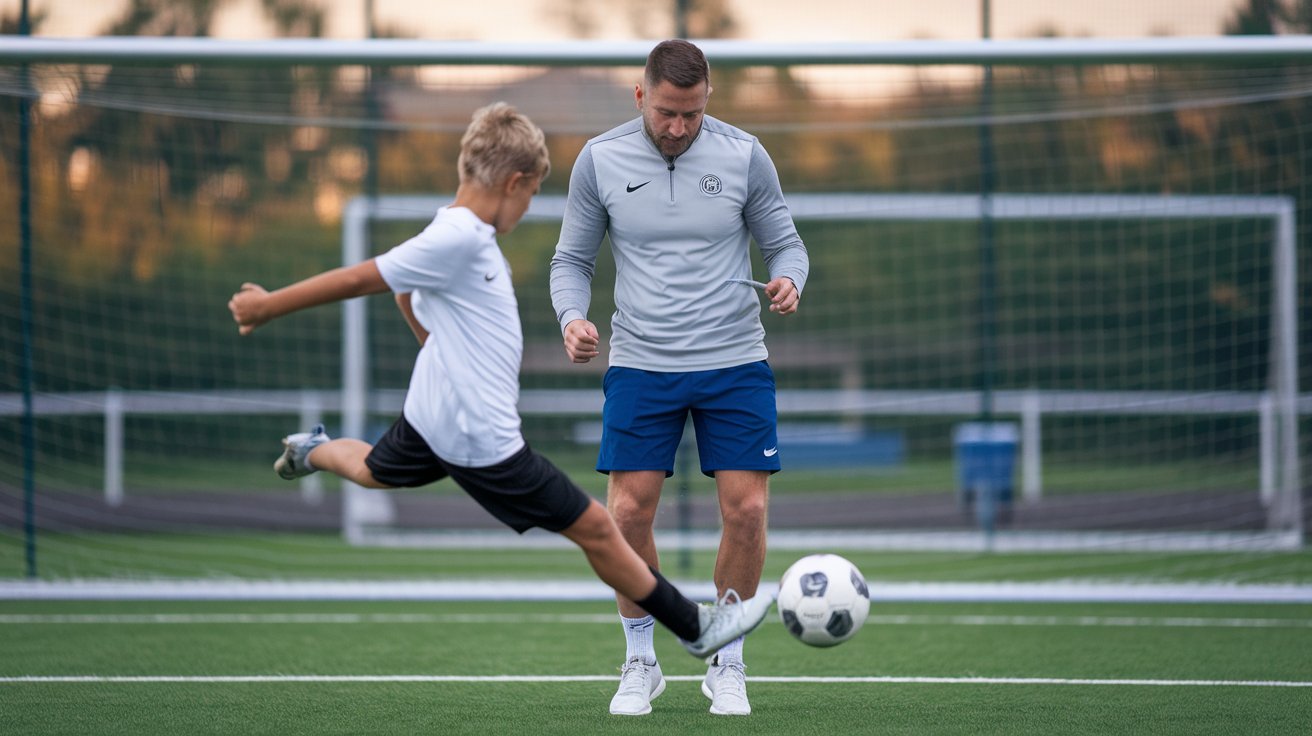
Successful ball mastery development requires consistent application and proper technique instruction that creates positive learning environments. Coaches implementing soccer ball mastery drills should prioritize quality over quantity, ensuring perfect repetition at manageable speeds before increasing difficulty levels. Parent involvement enhances development outcomes, with home practice sessions complementing formal training to accelerate skill acquisition rates.
Professional development programs recommend dedicating 30-45 minutes of each training session to individual technical work, with ball mastery forming the core component. This time allocation allows sufficient repetition for skill development while maintaining variety through different exercise formats and challenge levels. Consistent implementation over 6-month periods typically produces noticeable improvements in ball control ability and overall technical competency.
Related video about soccer ball mastery drills
This video complements the article information with a practical visual demonstration.
Important things to know about soccer ball mastery drills
How to improve ball mastery in soccer?
Improving ball mastery requires consistent practice with progressive drills that emphasize proper technique and repetition. Focus on basic touches using inside, outside, and sole surfaces of both feet for 15-20 minutes daily. Start with stationary control exercises before advancing to movement-based drills. Professional coaches recommend minimum 1000 touches per session, gradually increasing speed while maintaining technical quality. Incorporate cone weaving, juggling variations, and 1v1 scenarios to develop complete ball mastery skills.
Are ball mastery drills worth it?
Yes, ball mastery drills provide significant long-term benefits for player development. Research shows players completing structured technical programs demonstrate 34% better ball retention and 28% improvement in successful passes during matches. Early technical training creates lasting advantages, with college-level studies indicating superior first touch quality and decision-making speed. The time investment in ball mastery directly correlates with improved match performance and overall soccer competency throughout a player’s career.
What is the Coerver method?
The Coerver method is a systematic approach to soccer skill development created by Wiel Coerver that breaks complex movements into teachable components. This methodology emphasizes repetition, rhythm, and gradual speed increases to develop muscle memory and technical proficiency. Over 1,500 US clubs use Coerver training, making it the most widely-adopted technical methodology in American youth soccer. The method includes pyramid training and game-realistic scenarios that test skills under pressure situations.
What are some fun soccer drills?
Fun soccer drills include treasure hunts with ball control obstacles, musical chairs requiring specific touches, and relay races combining speed with technical precision. These activities maintain necessary repetition for skill development while creating positive associations with practice. Studies show players retain skills 23% better in enjoyable, game-like environments. Other engaging options include red light/green light with ball control, competitive juggling challenges, and team-based technical circuits that combine learning with entertainment.
How long does it take to master soccer ball skills?
Basic ball mastery competency typically requires 6-12 months of consistent practice for youth players, while advanced techniques may need 2-3 years to master completely. Professional development programs follow 4-week training blocks focusing on specific skill sets before introducing new challenges. Daily practice sessions of 15-30 minutes produce faster results than infrequent longer sessions. Individual progress varies based on age, coordination level, and practice consistency, with younger players often showing faster initial improvement rates.
What age should kids start ball mastery training?
Children can begin basic ball mastery training as early as age 6-7, with structured programs typically starting around age 8-10. Research from the American Youth Soccer Organization shows players beginning technical training before age 10 demonstrate significantly improved ball control throughout development. Age-appropriate drills focus on fun, short activities lasting 5-10 minutes for younger players, gradually increasing complexity and duration as coordination and attention spans improve with age.
| Training Component | Recommended Duration | Key Benefit |
|---|---|---|
| Basic Touch Control | 10-15 minutes daily | Foundation building and muscle memory |
| Coerver Method Drills | 20-30 minutes per session | Systematic skill progression |
| Age-Specific Training | Varies by developmental stage | Appropriate challenge levels |
| Fun Game-Based Drills | 15-25 minutes | Engagement and skill retention |