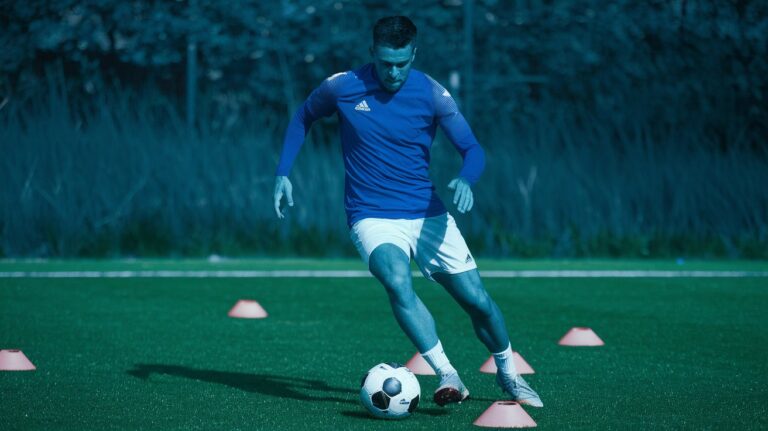
Learn Soccer Skills: Master 10 Essential Techniques in 2025
Learning soccer skills is the foundation of becoming a successful player, whether you’re a beginner starting your football journey or looking to improve existing abilities. With proper training methods and consistent practice, anyone can master the fundamental techniques that separate good players from great ones. This comprehensive guide covers essential skills, training methods, and proven strategies to accelerate your development in America’s fastest-growing sport.
10 Fundamental Skills Every Soccer Player Must Master
The 10 fundamental skills of football form the cornerstone of successful play and provide the technical foundation every player needs. These essential abilities include ball control, passing accuracy, shooting technique, dribbling, heading, tackling, crossing, first touch, positioning, and game awareness. Mastering these core competencies typically requires 6-12 months of dedicated practice for beginners, with professional players continuously refining these skills throughout their careers.
Each fundamental skill serves a specific purpose on the field and connects to other abilities. For example, excellent ball control directly improves your first touch, which enhances passing accuracy and creates better scoring opportunities. Players who focus on developing these interconnected skills see faster overall improvement compared to those who practice techniques in isolation.
Ball Control and First Touch Techniques
Ball control represents the most crucial skill for soccer players at every level, determining your ability to receive passes cleanly and maintain possession under pressure. Practice controlling balls arriving from different angles using various body parts including feet, thighs, chest, and head. Professional players spend 30-40% of their training time on ball control drills, emphasizing the skill’s importance for field success.
Passing Accuracy and Technique Development
Accurate passing creates goal-scoring opportunities and maintains team possession, making it essential for football skills development. Focus on short passes (5-15 yards), medium passes (15-30 yards), and long passes (30+ yards) using both feet. Practice passing with proper foot placement, body positioning, and follow-through to achieve 85-90% accuracy rates that characterize elite players.
Soccer Skills for Beginners: Step-by-Step Learning Path
Beginning players should follow a structured learning path that builds skills progressively from basic to advanced techniques. Start with soccer skills for beginners including basic ball control, simple passing, and fundamental shooting before advancing to complex moves and tactics. This methodical approach prevents overwhelm and ensures solid technical foundations that support long-term development.
The ideal beginner timeline spans 3-6 months focusing exclusively on fundamental skills before introducing advanced techniques. Research from US Youth Soccer shows that players who master basic skills first progress 40% faster than those who attempt advanced moves prematurely. Dedicate 60-90 minutes per training session to skill development, with sessions occurring 3-4 times weekly for optimal improvement.
Week 1-4: Foundation Building
Focus exclusively on basic soccer skills during your first month, including ball juggling, cone dribbling, and wall passing drills. Master these fundamental movements before progressing to more complex techniques. Aim for 100 consecutive juggles, 30-second cone weaving, and 50 consecutive wall passes as milestone achievements that indicate readiness for intermediate skills.
Month 2-3: Skill Integration and Game Application
Begin combining individual skills into game-like scenarios during months two and three of your soccer training journey. Practice receiving passes under pressure, shooting after dribbling, and making quick decisions with the ball. These integrated drills prepare you for real match situations where skills must be executed quickly and accurately under competitive pressure.
Football Tricks to Learn at Home Without Equipment
Home practice enables consistent skill development without requiring field access or specialized equipment, making it perfect for dedicated players seeking improvement. Football tricks to learn at home include juggling patterns, footwork sequences, and ball control exercises using minimal space and basic equipment. A single ball and 6×6 foot area provide sufficient space for most home training routines.
Popular home exercises include the step-over, inside-outside touch, pull-back turn, and Cruyff turn, all of which can be practiced in bedrooms, garages, or small outdoor spaces. Professional players like Christian Pulisic and Tyler Adams credit home practice sessions for developing their exceptional technical abilities during youth development years.
Easy Football Skills Perfect for Kids Ages 6-12
Children learn football skills for kids most effectively through fun, game-based activities that maintain engagement while developing technical abilities. Age-appropriate skills for youth players include basic dribbling, simple passing, and shooting techniques taught through enjoyable drills and small-sided games. Kids should practice 45-60 minutes per session to match their attention spans and physical development needs.
The most effective youth development programs emphasize skill over competition, with players spending 70% of time on individual skill development and 30% on game play. Easy football skills to learn for kids include red light-green light dribbling, follow the leader, and target shooting games that make learning enjoyable while building competency.
Age-Specific Skill Development Guidelines
Different age groups require tailored approaches to soccer skill development based on physical and cognitive maturation. Ages 6-8 focus on basic ball familiarity, ages 9-11 develop fundamental techniques, and ages 12-14 integrate skills into game situations. Following age-appropriate progressions ensures players develop properly without frustration or technical deficiencies that persist into higher levels.
Fun Drills That Build Essential Skills
Engaging drills keep young players motivated while developing crucial soccer abilities through repetitive practice disguised as games. Popular options include sharks and minnows for dribbling, red light-green light for ball control, and musical cones for agility and quick thinking. These activities build skills while maintaining the fun factor essential for youth player retention and long-term development.
Can I Learn Soccer by Myself? Self-Training Strategies
Self-directed learning accelerates soccer skill development when combined with structured practice plans and consistent effort. Independent training allows for personalized pacing, focused weakness improvement, and flexible scheduling that accommodates busy lifestyles. Many professional players including Megan Rapinoe and Landon Donovan credit self-training sessions for breakthrough improvements during their careers.
Effective self-training requires clear goals, structured progressions, and honest self-assessment to identify areas needing improvement. Create weekly training plans targeting specific skills, record progress through video analysis, and seek feedback from coaches or experienced players when possible. Solo practice accounts for 60-70% of elite player development time, highlighting its importance for serious improvement.
Top 10 Football Skills Every Player Should Master
Elite players consistently demonstrate mastery of core technical abilities that separate them from recreational players. The top 10 football skills include precise passing, confident ball control, accurate shooting, effective dribbling, strong tackling, powerful heading, strategic positioning, quick decision-making, physical fitness, and mental toughness. These competencies work together to create complete players capable of contributing at competitive levels.
Professional scouts evaluate players based on these fundamental skills, with technical ability accounting for 40% of player assessment criteria. Players who excel in multiple areas receive more opportunities for advancement than specialists, making comprehensive skill development essential for serious players seeking higher-level competition.
Technical Skills Assessment and Improvement
Regular skill assessment helps identify strengths and weaknesses in your soccer development journey, enabling targeted improvement efforts. Test passing accuracy over various distances, measure shooting precision from different angles, and evaluate dribbling speed through cone courses. Professional academies conduct monthly assessments, providing a model for serious amateur players seeking systematic improvement.
Mental and Physical Skill Integration
Complete soccer players combine technical skills with mental sharpness and physical conditioning to maximize on-field effectiveness. Practice decision-making under pressure, develop game awareness through small-sided games, and maintain fitness levels that support skill execution throughout matches. The best players seamlessly blend all skill categories to create consistent high-level performances.
What is the Hardest Move in Soccer to Master?
The rainbow flick or rainbow kick represents the most challenging individual soccer skill for most players to master consistently, requiring exceptional ball control, timing, and confidence. This advanced technique involves flicking the ball over an opponent’s head using the heel and continues to challenge even professional players. Mastering the rainbow typically requires 6-12 months of dedicated practice for technically gifted players.
Other exceptionally difficult moves include the elastico, Marseille turn, and bicycle kick, each demanding years of practice to execute reliably in game situations. These advanced soccer skills should only be attempted after mastering fundamental techniques, as poor basics make advanced moves nearly impossible to learn properly.
100 Soccer Skills: Building Your Complete Arsenal
Developing a comprehensive skill set of 100 soccer skills provides tactical flexibility and creative options during matches, enabling players to adapt to various game situations. This extensive repertoire includes basic techniques, intermediate moves, advanced skills, and specialized abilities for different positions. Professional players typically master 60-80 skills thoroughly while maintaining familiarity with the complete range.
Focus on quality over quantity when building your skill arsenal, ensuring reliable execution of 20-30 core techniques before expanding your repertoire. Players who master fewer skills deeply outperform those with superficial knowledge of many techniques, making thorough development more valuable than extensive but shallow skill acquisition.
How to Improve Soccer Skills: Advanced Training Methods
Accelerating soccer skill improvement requires strategic training methods that challenge your current abilities while building new competencies efficiently. Advanced players benefit from constraint-based training, variable practice conditions, and video analysis to identify technical deficiencies. Research from the United States Soccer Federation shows that varied training environments improve skill transfer to game situations by 35% compared to repetitive practice.
Professional development programs emphasize quality repetitions over quantity, with players performing 200-300 high-intensity touches per session rather than thousands of casual attempts. This approach builds muscle memory more effectively while reducing training time requirements, making it ideal for players with limited practice opportunities.
Related video about learn soccer skills
This video complements the article information with a practical visual demonstration.
What you should know
How do I improve my soccer skills quickly?
Improve soccer skills quickly through focused practice sessions 3-4 times weekly, concentrating on 2-3 specific techniques per session. Emphasize quality repetitions over quantity, practice with both feet, and seek feedback from coaches or experienced players. Consistent training for 60-90 minutes per session typically shows noticeable improvement within 4-6 weeks.
What is the hardest move in soccer?
The rainbow flick is considered the hardest soccer move to master consistently, requiring exceptional ball control, perfect timing, and confidence to execute under pressure. This advanced technique involves flicking the ball over an opponent’s head using your heel and typically takes 6-12 months of dedicated practice for technically gifted players to master.
Can I learn soccer by myself?
Yes, you can learn soccer by yourself through structured self-training programs focusing on fundamental skills like ball control, passing against walls, shooting practice, and cone dribbling drills. Many professional players credit solo practice for major improvements, though combining self-training with occasional coaching guidance accelerates development and prevents bad habits.
What are the basic skills of soccer?
The basic soccer skills include ball control, passing, shooting, dribbling, first touch, heading, tackling, crossing, positioning, and game awareness. These fundamental abilities form the foundation for all advanced techniques and should be mastered before attempting complex moves or specialized skills for different positions.
How long does it take to learn soccer skills?
Learning basic soccer skills typically takes 3-6 months of consistent practice, while mastering fundamental techniques requires 12-18 months. Advanced skills may take 2-3 years to develop reliably, and professional-level ability requires 5-10 years of dedicated training. Progress varies based on natural ability, practice frequency, and quality of instruction.
What soccer skills should kids learn first?
Kids should learn basic ball control, simple passing, and fundamental dribbling skills first, as these form the foundation for all other soccer abilities. Focus on fun activities like juggling, cone weaving, and wall passing that build confidence while developing essential ball-handling skills. Shooting and more complex moves can be introduced after mastering these basics.
| Skill Category | Development Timeline | Key Benefits |
|---|---|---|
| Basic Skills | 3-6 months consistent practice | Foundation for all advanced techniques |
| Intermediate Skills | 6-12 months additional training | Game application and tactical understanding |
| Advanced Skills | 1-2 years specialized practice | Creative play and competitive advantage |
| Professional Level | 5-10 years dedicated development | Elite performance and career opportunities |