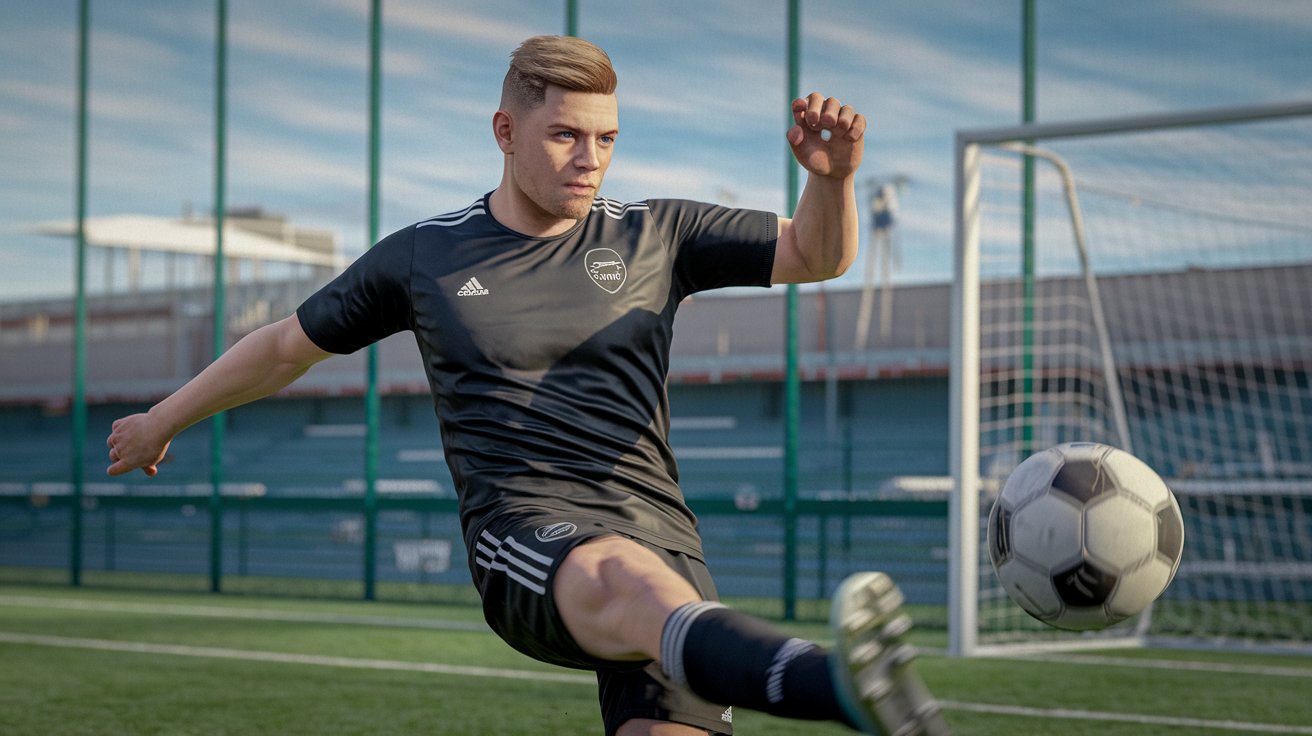
Technical Ability in Soccer: Skills, Training & Player Types
Technical ability in soccer refers to a player’s fundamental skill set with the ball, including first touch, passing accuracy, dribbling precision, and shooting technique. In modern soccer, technical ability forms the foundation that separates good players from great ones, with studies showing that technically gifted players maintain possession 30% more effectively than their counterparts.
What is Technical Ability in Soccer
Technical ability encompasses the core soccer skills that players execute with the ball at their feet. This includes ball control, passing, shooting, dribbling, crossing, and receiving techniques. Unlike tactical knowledge or physical attributes, technical ability represents the mechanical precision with which players manipulate the ball during gameplay.
The technically gifted player demonstrates consistent execution under pressure, maintaining ball control in tight spaces and delivering accurate passes regardless of defensive pressure. According to US Soccer Development Academy data from 2024, players with superior technical ability complete 15% more passes per game and lose possession 40% less frequently than average players.
Technical vs Tactical Soccer Understanding
The difference between technical and tactical soccer lies in execution versus decision-making. Technical ability focuses on how well players perform specific skills, while tactical knowledge involves when and why to use those skills during match situations.
Technical elements include ball striking technique, dribbling mechanics, and passing accuracy. Tactical components encompass positioning, pressing triggers, and strategic decision-making. Elite players like Christian Pulisic demonstrate both technical player attributes and tactical intelligence, making them invaluable in modern soccer systems.
Identifying Technical Players on the Field
Technical players exhibit distinct characteristics that set them apart during gameplay. These soccer players demonstrate exceptional first touch quality, rarely losing control even when receiving difficult passes. They show precision in short-range passing, maintaining accuracy rates above 90% in tight spaces.
Recognition patterns include smooth ball manipulation during dribbling sequences, consistent striking technique across various shooting angles, and the ability to execute skills under defensive pressure. Technical ability soccer manifests through effortless ball control that appears almost automatic, distinguishing these players from those who rely primarily on physical attributes or tactical positioning.
Essential Technical Skills Development
Core technical skills form the foundation of soccer mastery, requiring dedicated practice and proper progression. Ball control represents the primary skill, encompassing first touch quality, juggling ability, and close control in confined spaces. Passing accuracy follows as the second pillar, involving short-range precision and long-range distribution capabilities.
Ball Control and First Touch Mastery
First touch quality determines a player’s ability to receive and control the ball effectively. Technical soccer drills focusing on cushioned touches, directional control, and pressure situations enhance this fundamental skill. Practice involves receiving balls from various angles, heights, and speeds while maintaining immediate control for the next action.
Passing Precision and Distribution
Accurate passing requires proper foot positioning, weight distribution, and timing. Technically gifted players demonstrate consistent passing accuracy across all distances, from precise short passes to weighted through balls. Training emphasizes both stationary and moving target practice, developing the muscle memory necessary for instinctive accurate distribution.
Progressive Technical Soccer Training Methods
Modern technical training incorporates progressive difficulty levels and game-realistic scenarios. Training methodologies focus on isolated skill development before progressing to combined technical challenges under time pressure and defensive constraints.
Foundation Building Exercises
Foundation drills establish proper technique through repetitive practice of basic movements. Technical soccer drills individual sessions include cone weaving exercises, wall passing sequences, and juggling progressions. These exercises develop muscle memory and coordination essential for advanced technical execution during competitive play.
Pressure Situation Training
Advanced training incorporates defensive pressure to simulate game conditions. Players practice technical ability execution while defenders apply varying pressure levels, developing the composure necessary for maintaining skill quality during intense match situations. This training bridges the gap between isolated practice and game application.
Technical Finishing and Shooting Development
Shooting technique represents a critical component of technical ability soccer development. Proper finishing requires precise foot placement, body positioning, and follow-through mechanics. Elite finishers maintain consistent technique across various shooting scenarios, from close-range volleys to long-distance strikes.
Training focuses on shot accuracy before power development, ensuring players can place shots precisely before adding velocity. Technical players demonstrate shooting consistency through proper preparation touches and controlled execution, achieving higher shot conversion rates than players who rely solely on power.
Dribbling Skills and Close Control Techniques
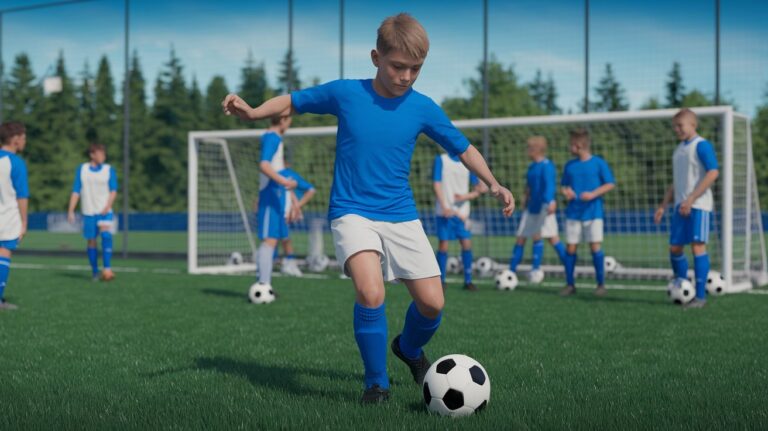
Advanced dribbling combines close ball control with directional changes and pace variation. Technical soccer players utilize various surfaces of both feet, maintaining ball proximity while navigating through defensive challenges. Effective dribbling requires balance, agility, and anticipation of defensive movements.
Training progressions include stationary ball manipulation, moving exercises with directional changes, and 1v1 scenarios against active defenders. Technically gifted dribblers demonstrate the ability to accelerate, decelerate, and change direction while maintaining complete ball control, creating opportunities in tight spaces where less technical players would lose possession.
Building Technically Sound Defensive Players
Technical ability extends beyond attacking players to include defensive specialists who demonstrate precision in tackling, interceptions, and ball distribution. Technically sound defenders execute clean tackles with proper timing and foot placement, avoiding unnecessary fouls while regaining possession effectively.
Defensive technical skills include controlled clearances, accurate distribution from defensive positions, and precise defensive headers. Modern defenders must also possess passing range and composure under pressure, as contemporary soccer demands ball-playing defenders who can initiate attacks from deep positions with technical ability.
Team Balance: Mixing Technical and Physical Players
Successful teams require strategic balance between technical players and athletes who contribute through physical attributes, work rate, or tactical intelligence. Pure technical specialists excel in possession-based systems, while physical players provide defensive stability and transition speed.
Modern formations accommodate both player types through positional specialization. Technical ability soccer becomes most valuable in central midfield and attacking positions, where precise passing and ball manipulation create scoring opportunities. Physical players often excel in wide positions, defensive roles, or pressing systems where athletic attributes complement technical teammates’ ball skills.
Youth Development and Technical Training Focus
Youth soccer development in the United States emphasizes technical skill acquisition during critical learning periods. US Soccer guidelines recommend focusing on technical development between ages 6-14, when players demonstrate optimal skill retention and motor pattern establishment.
Development programs prioritize individual technical soccer drills over competitive results during early stages. Research indicates that players who receive intensive technical training before age 12 maintain superior ball skills throughout their careers, regardless of subsequent physical development or tactical education. This foundation supports long-term player development and college recruitment opportunities.
Related video about technical ability soccer
This video complements the article information with a practical visual demonstration.
Key Questions and Answers
What does it mean to be technically gifted in soccer?
Being technically gifted means possessing exceptional ball control, passing accuracy, first touch quality, and shooting precision. These players execute skills consistently under pressure, maintain possession effectively, and demonstrate superior mechanical execution compared to average players in competitive situations.
What is the difference between tactical and technical soccer skills?
Technical skills involve how players execute actions with the ball, including passing accuracy, dribbling precision, and shooting technique. Tactical skills focus on decision-making, positioning, and strategic understanding of when and where to apply technical abilities during gameplay scenarios.
Where do you put your weakest technical players in soccer?
Weaker technical players typically perform better in defensive positions, wide areas, or specialized roles that emphasize physical attributes over ball skills. Central defense, fullback positions, or defensive midfield roles minimize technical demands while utilizing other player strengths effectively.
How can individual players improve their technical ability?
Individual improvement requires consistent practice of fundamental skills through wall passing, juggling, cone dribbling, and shooting drills. Daily ball work focusing on first touch, passing accuracy, and close control develops the muscle memory necessary for technical skill enhancement.
What are the most important technical skills for youth players?
Youth players should prioritize first touch control, short-range passing accuracy, basic dribbling moves, and proper shooting technique. These foundation skills support all future development and provide the technical base necessary for advanced tactical learning in competitive environments.
How do coaches identify technical ability in player evaluations?
Coaches evaluate technical ability through passing accuracy under pressure, first touch quality, dribbling success rates, and shooting precision. They observe consistency of execution across various game situations and the player’s ability to maintain skill quality when facing defensive pressure.
| Technical Skill Category | Key Development Focus | Performance Benefit |
|---|---|---|
| Ball Control | First touch precision and close control | 30% improved possession retention |
| Passing Accuracy | Short and long-range distribution | 90%+ completion rate in tight spaces |
| Shooting Technique | Placement accuracy before power | Higher conversion rates and consistency |
| Dribbling Skills | Close control with directional changes | Creates opportunities in confined spaces |